

Product Leadership Research | Discovery + Big BetsProduct discovery for “why now” big bet clarity
Deciding what to bet on, and what to walk away from
The expensive research mistake is not a bad study. It is a thorough study that funds the wrong bet.
Value, Delivered
Knowing where to invest is the biggest challenge for either start-ups or F100 companies. I have found that research is either powerful or dangerous in equal measure. When thoroughly evaluated to business goals across systems, business, and market, it buys conviction. When thin and biased, it buys permission to be wrong expensively. I turn insight into a narrative leaders can act on, and that includes telling them when the answer is to walk away.
Research is validation over guessing. I lead investigative work where business teams meet customer goals directly, replacing assumption with fact. At TIAA that meant proving outside-asset invisibility was the real driver of rollover leakage before anyone wrote a line of code, and the business case that funded an 11-week AI app came out of it. At Nuveen, a fragmented-file audit and a 23% accessibility baseline became a C-suite investment decision inside 3 months.
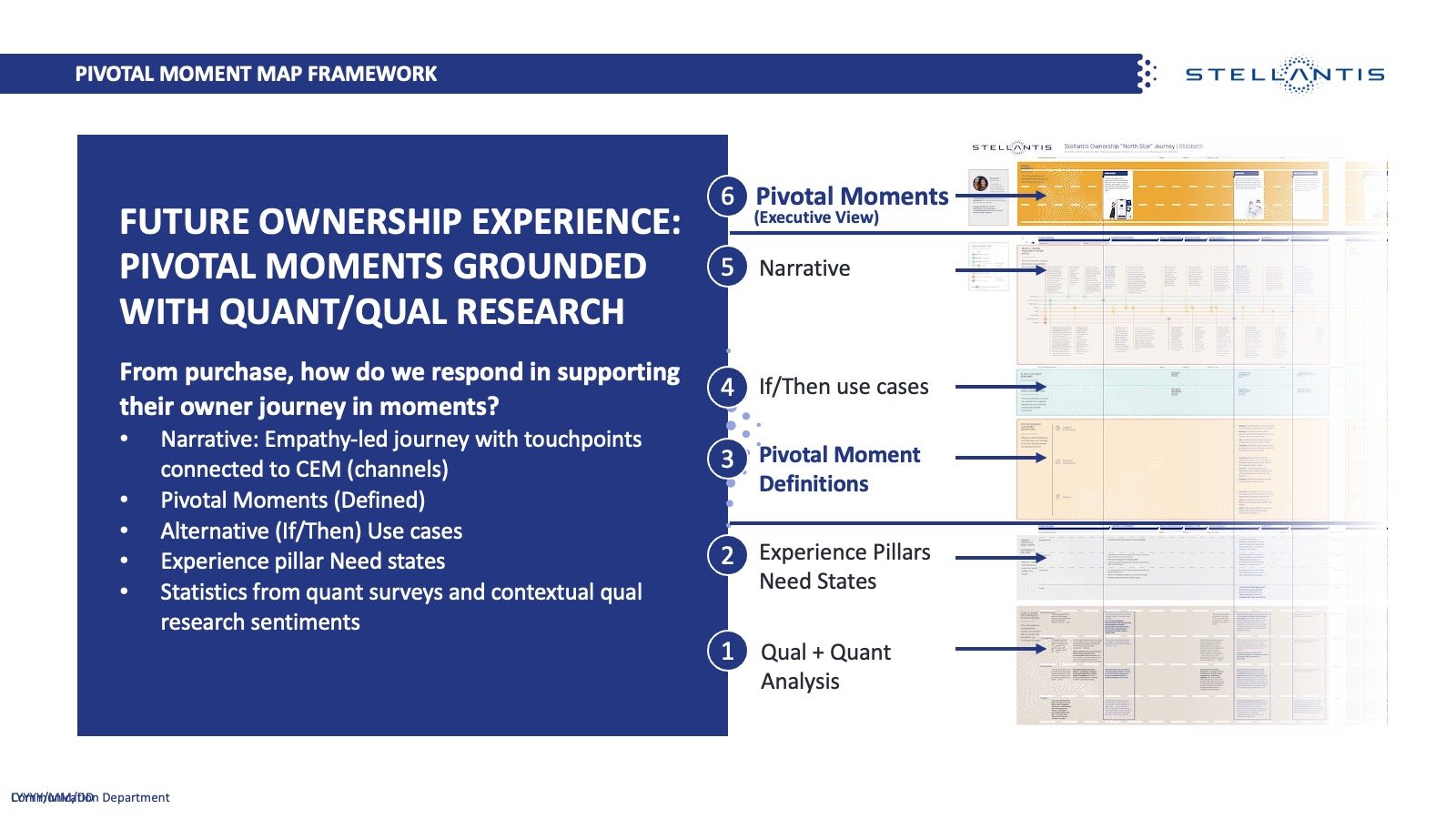
I build the instrumentation as well as run the studies: 5 data-maturity heuristics for scoring AI personalization confidence, and the qualitative and quantitative scorecards I originally stood up in 2012 with Accenture's first research center of excellence, before the Fjord acquisition.
TIAA (behavioral): Surfaced the outside-assets visibility gap driving rollover leakage, then built the business case that funded an AI-assisted personal finance app. Shipped in 11 weeks; exceeded wealth-prospecting targets by 63%, four months ahead of plan.
Nuveen (making the case): Turned a fragmented-file audit and a 23% accessibility baseline into a C-suite investment decision within 3 months of starting. The resulting system shipped in 4 months on $250K, roughly 3% of the sister organization's system budget.
Caterpillar: Directed global process research across 53 sales stakeholders in acquired business units, distilled to 5 executive themes; fed a B2B quoting lift of 38% on a $6.9B pipeline and a $34M development contract.
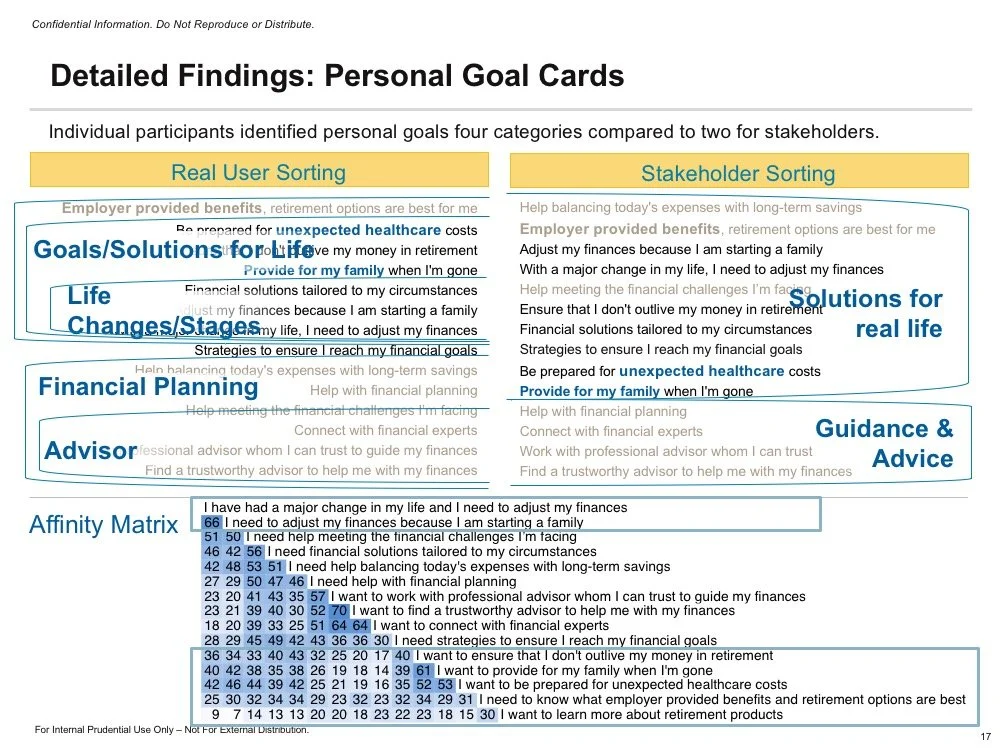
Prudential: Led qual and quant persona research across 5 constituent groups, validating the unified architecture behind a $27MM transformation of a $1.55T-AUM business and earning $23MM in follow-on development.
Vanguard: Competitive financial and SEO research for market strategy that drove a 26% engagement performance lift YoY on "America Saves" wealth insights.
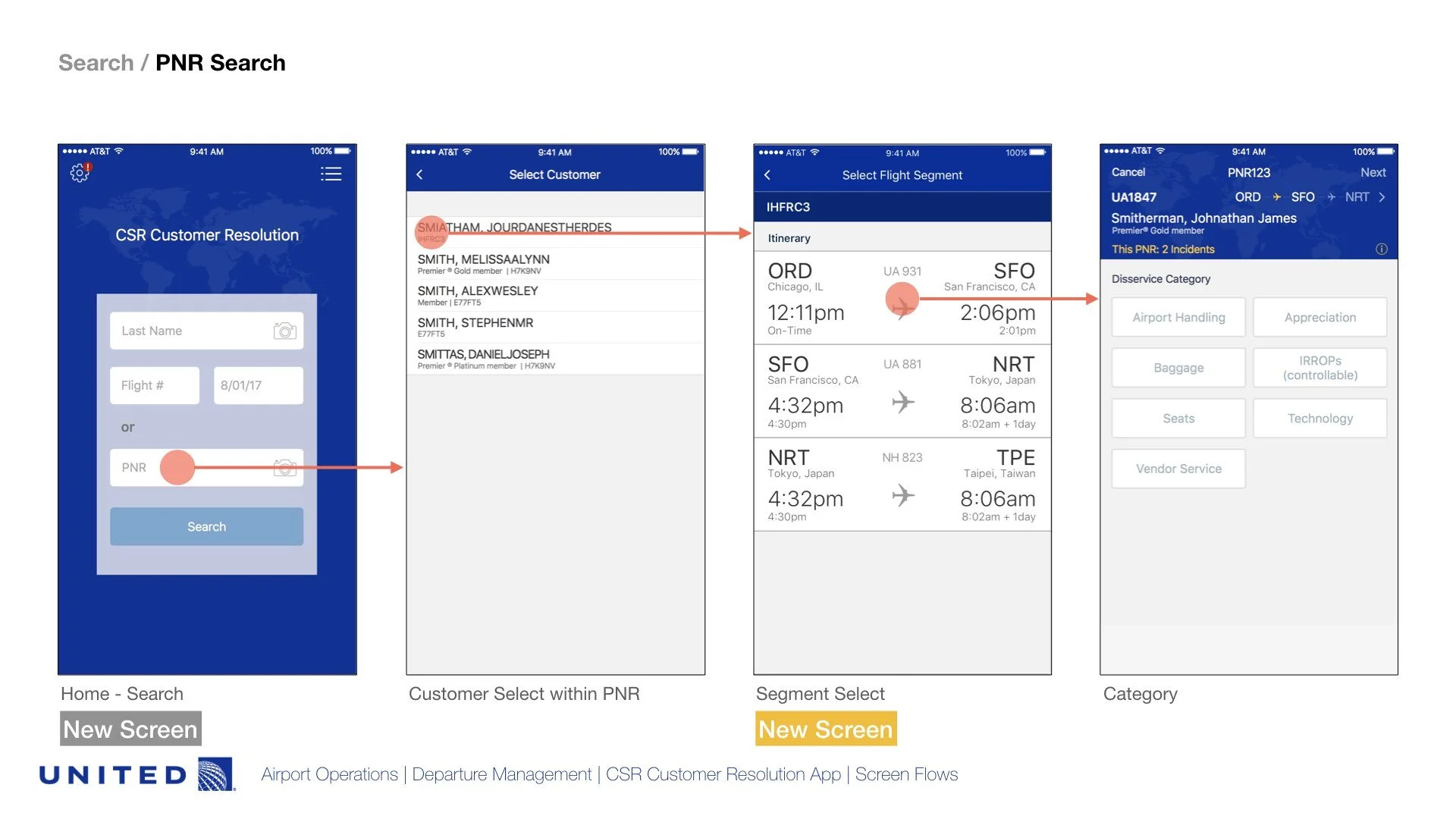
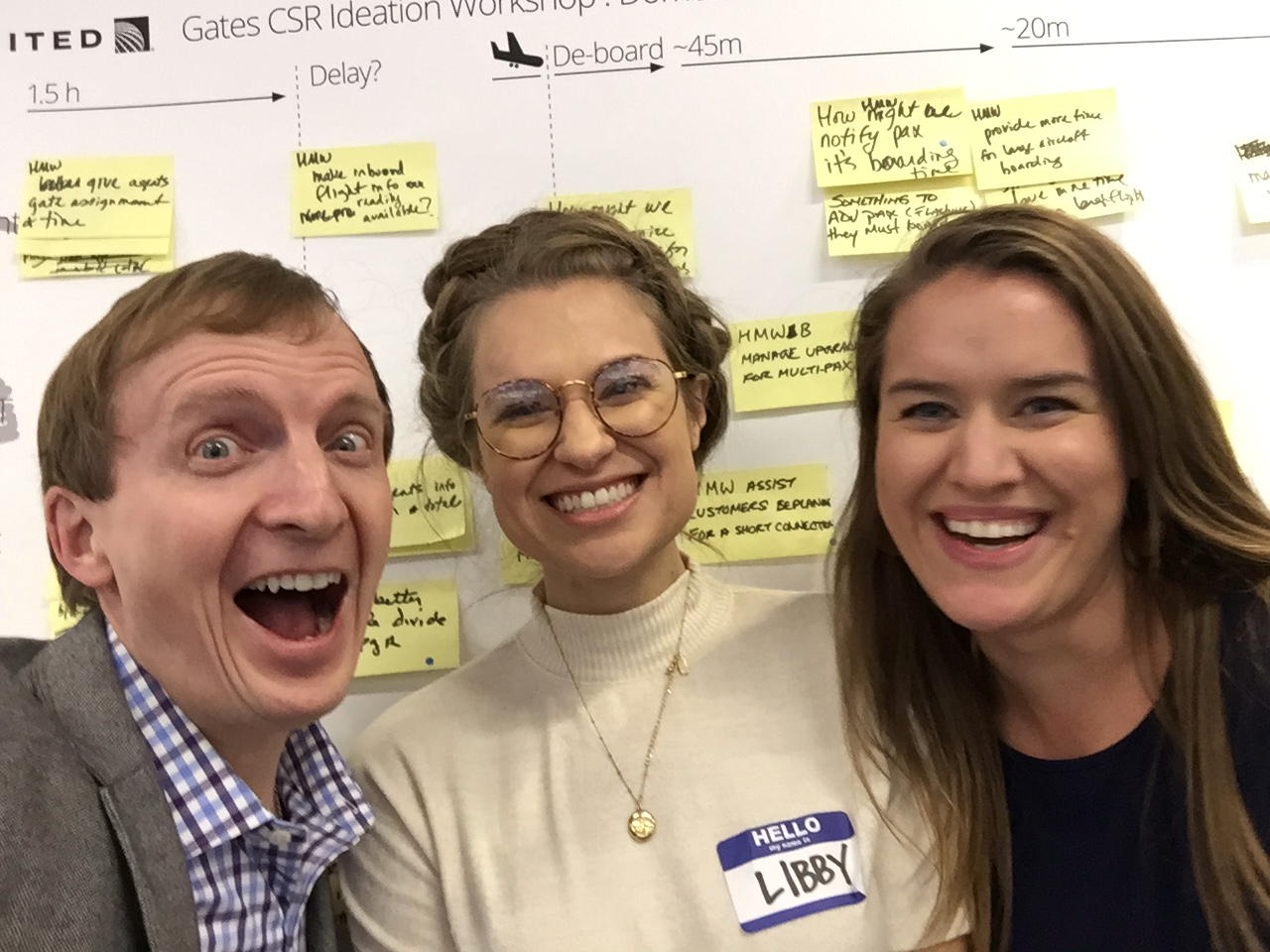
United Airlines: Field research and 9 airport agent workshops drove the change management that unlocked agent adoption of new apps, with an independently measured 3-point CX lift.
Dow and Duke Energy: Competitive brand heuristics and post-merger customer research replaced two fragmented utility platforms and removed a leading driver of call-center cost. Peak demand fell nearly 9% against a 4% target.
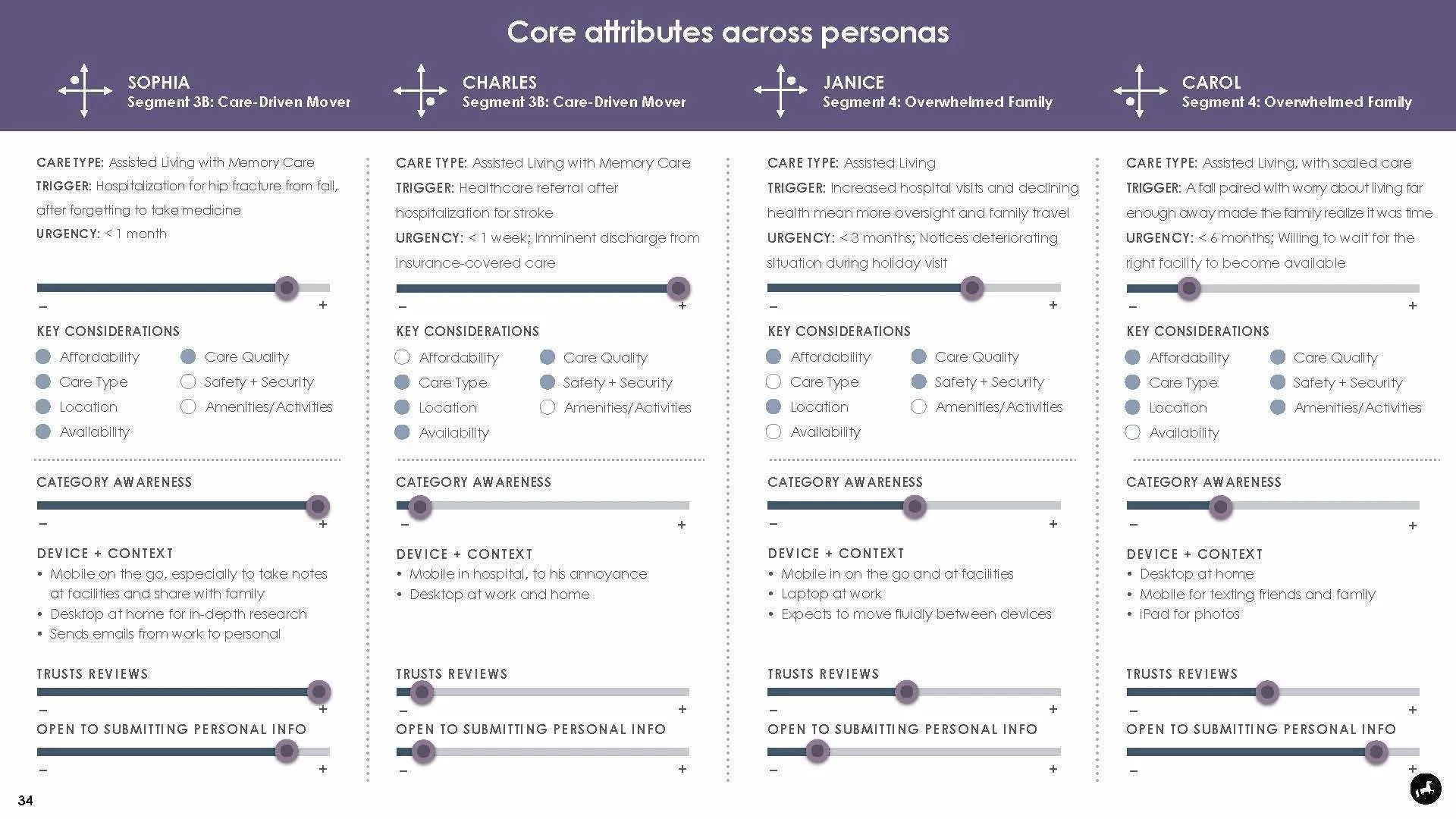
A Place for Mom: Developed deep VoC persona research that defined exactly what to prioritize in roadmap investments for a new digital self-service tied to call-center support.
Practice building: Stood up Accenture's first research center of excellence in 2012, pre-Fjord. 73+ design-thinking workshops, 9 of them run inside airports. Razorfish: Built 5 data-maturity heuristics for AI personalization confidence scoring.
KPIs in case studies
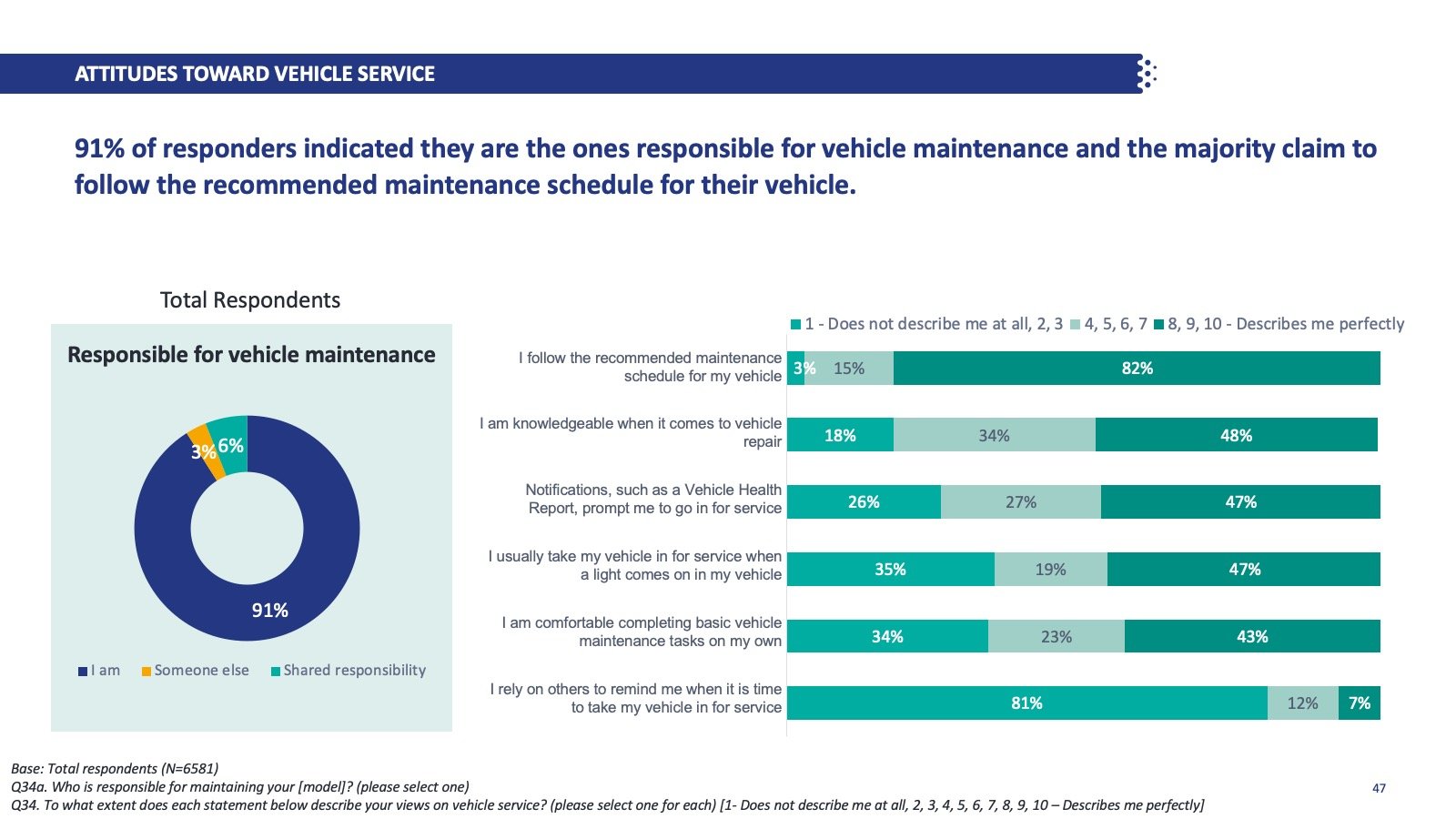
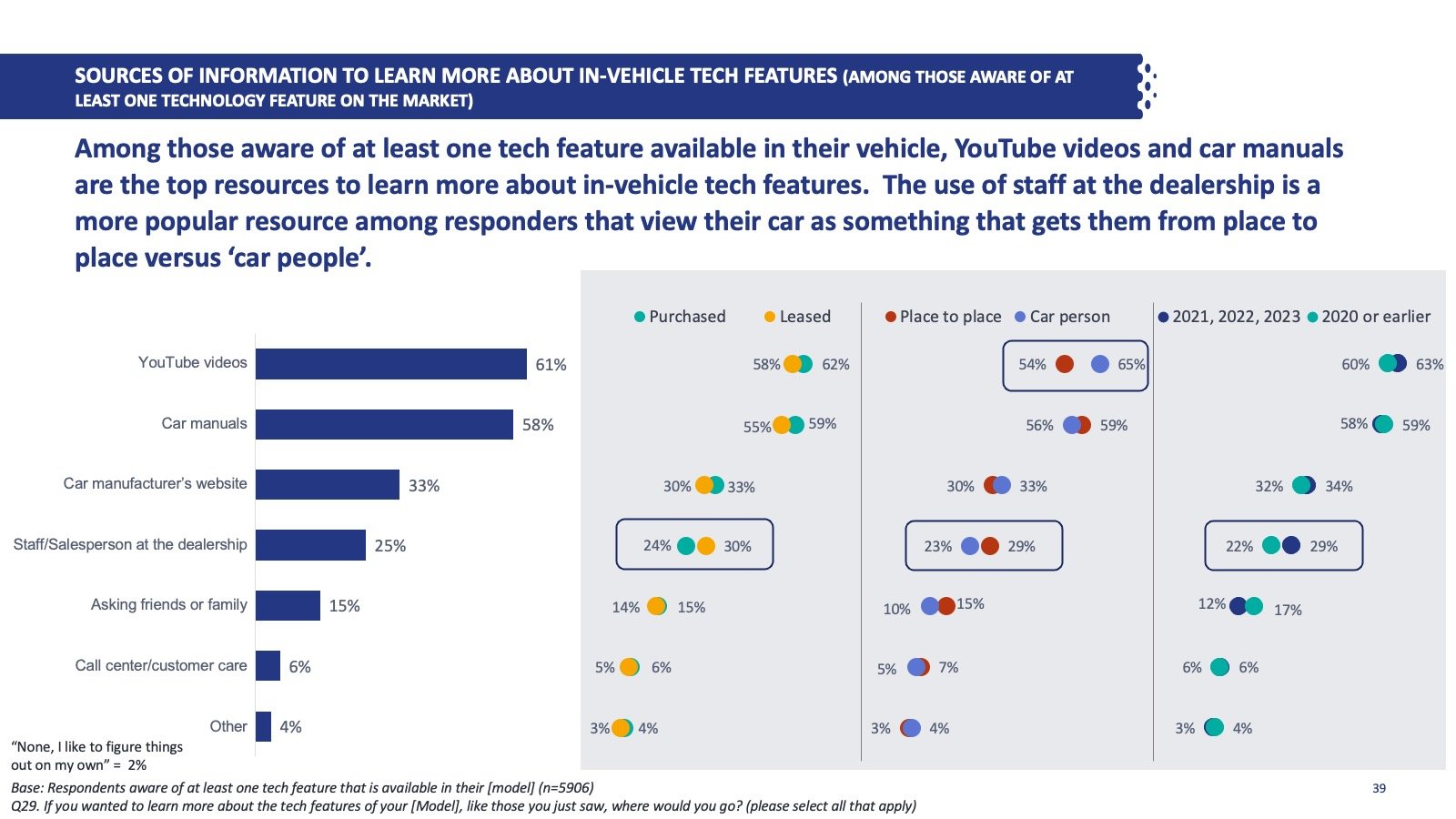
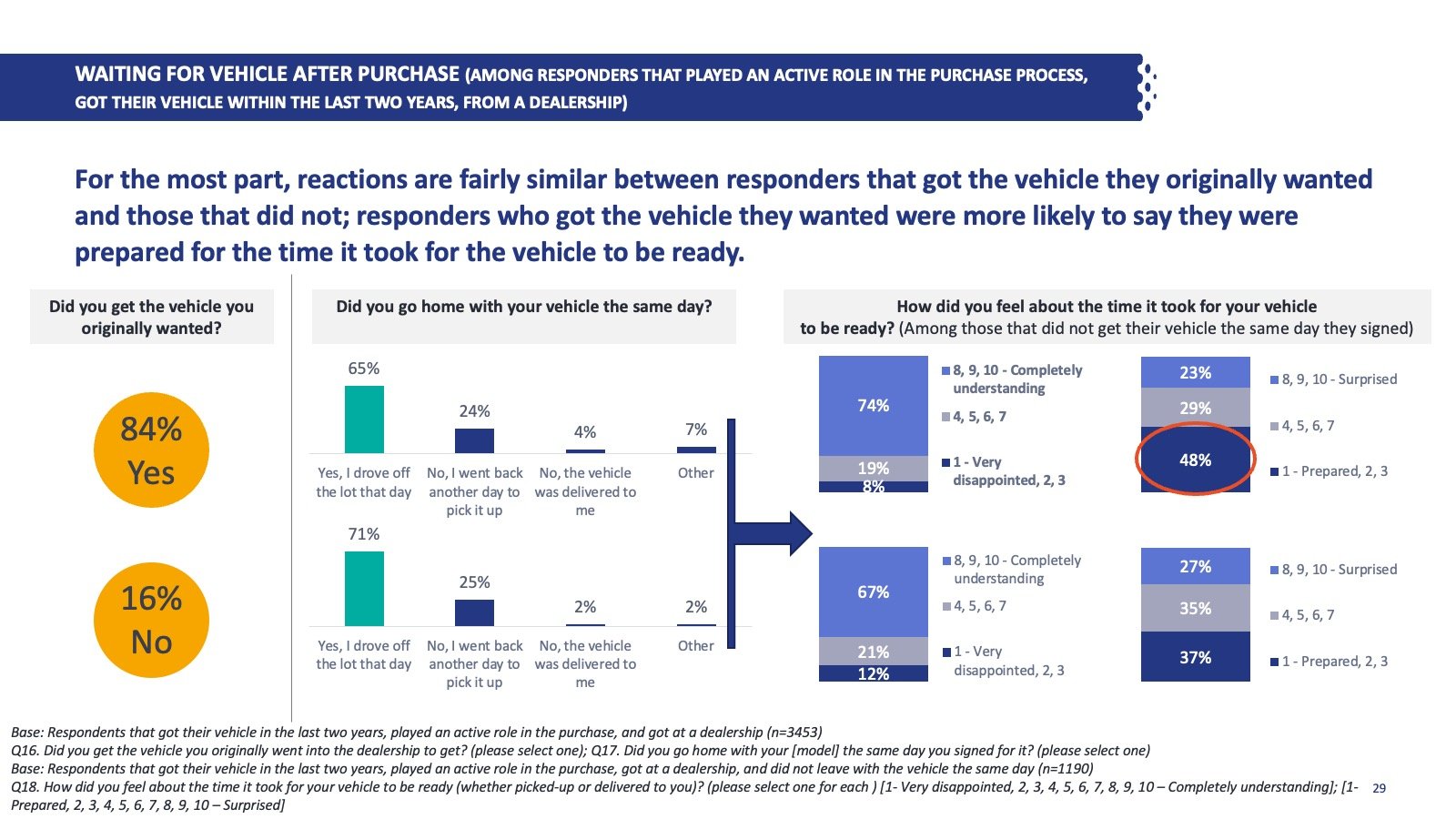
Quantitative Research studies including surveys and prototype testing
Qualitative Research studies
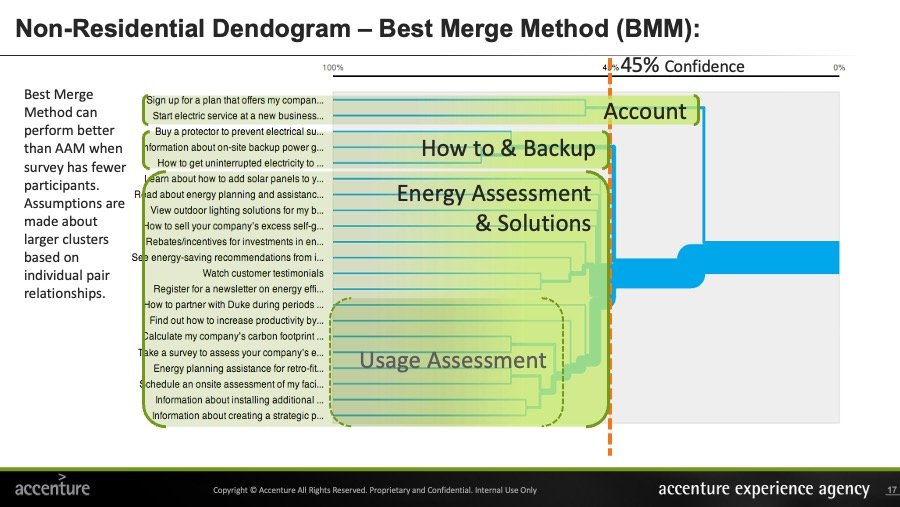
Customer mental model Dendrogram Card Sorting and branch success testing
A/B/n Testing Studies; Correlational Studies
Content Strategy comprehension and UX testing success methodologies
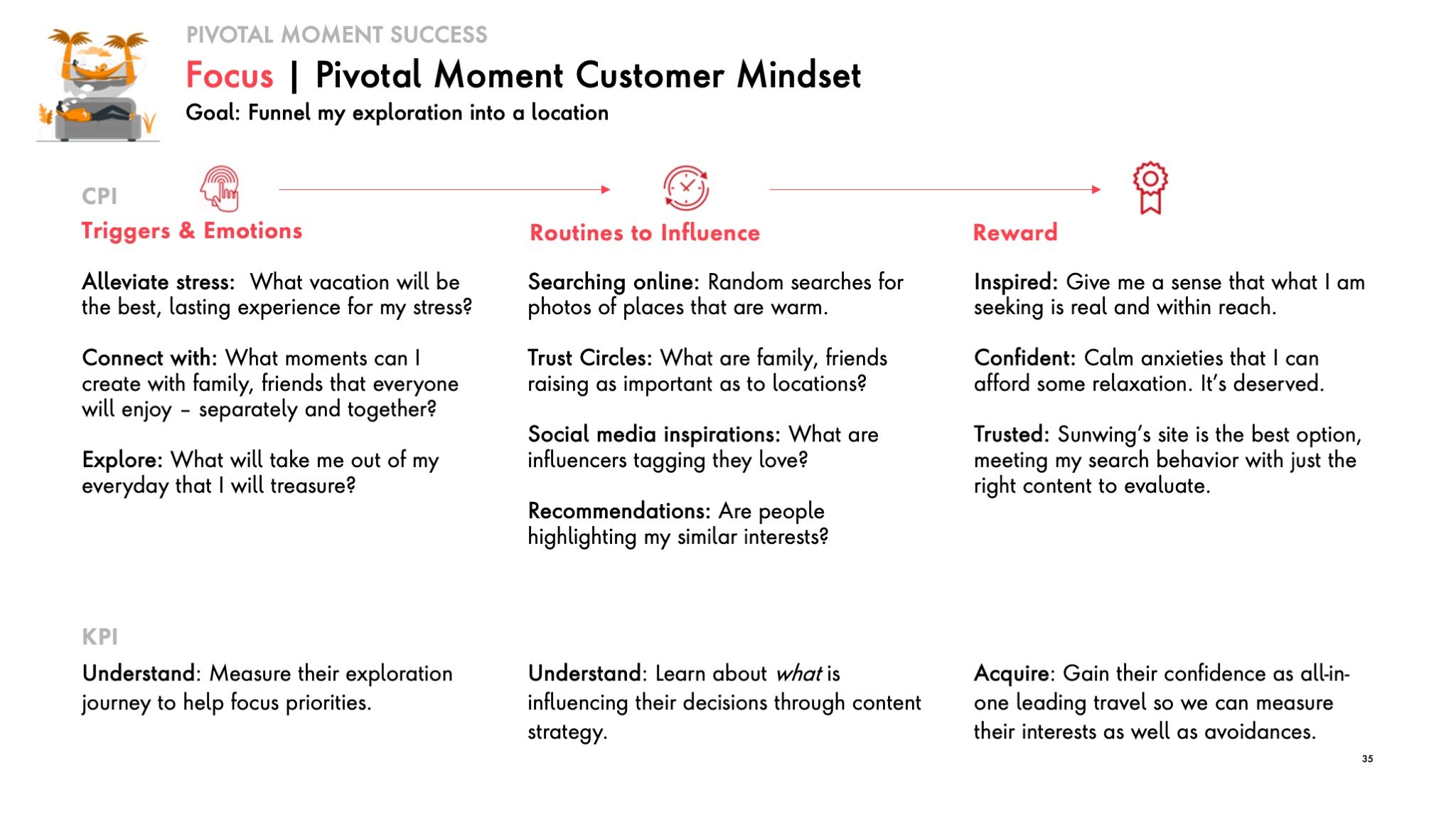
Brand Messaging Research, including empathy and trust relationships
Field Ethnographic and Longitudinal Studies
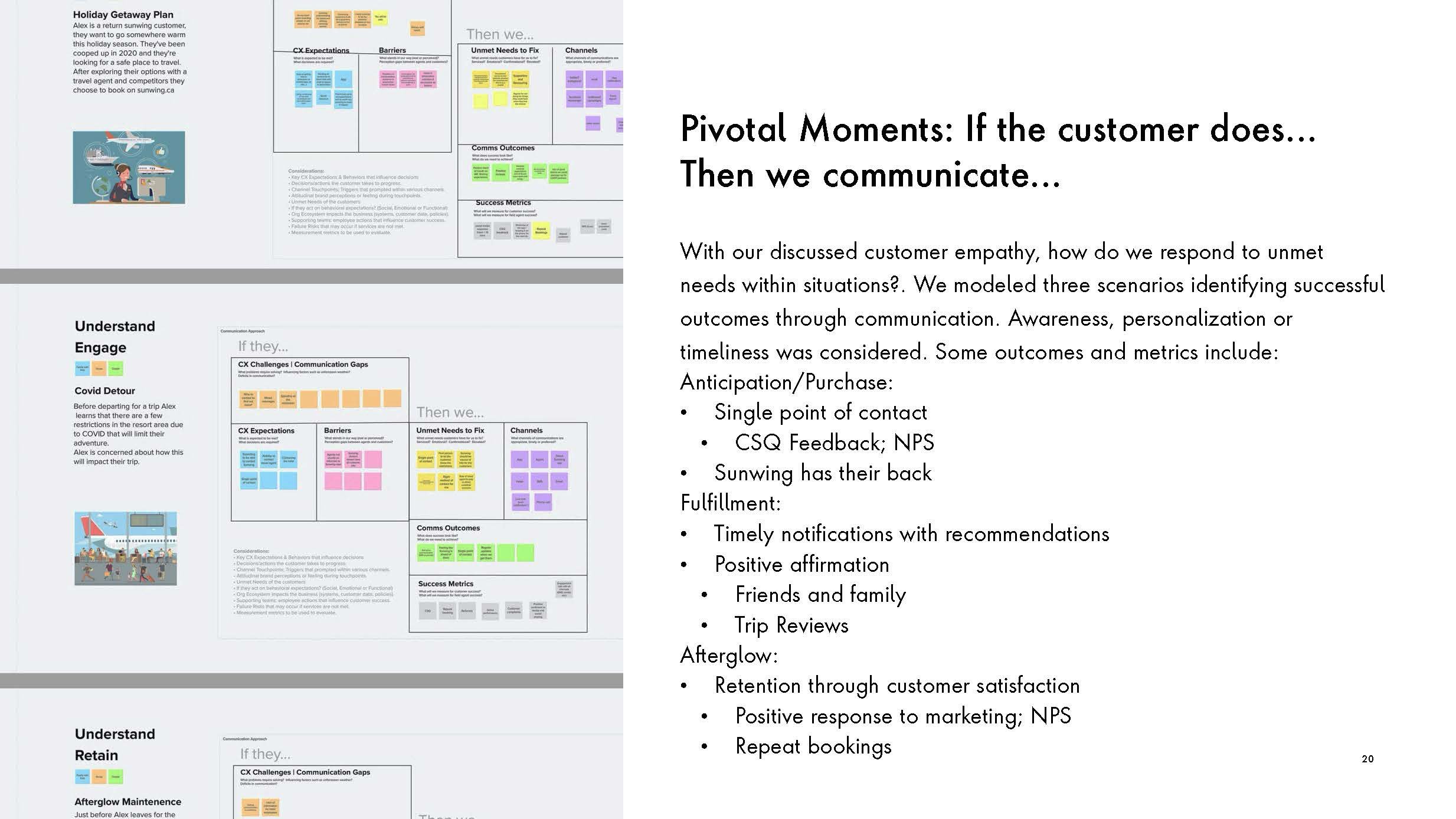
Analytical Marketing and CX Performance Measurement
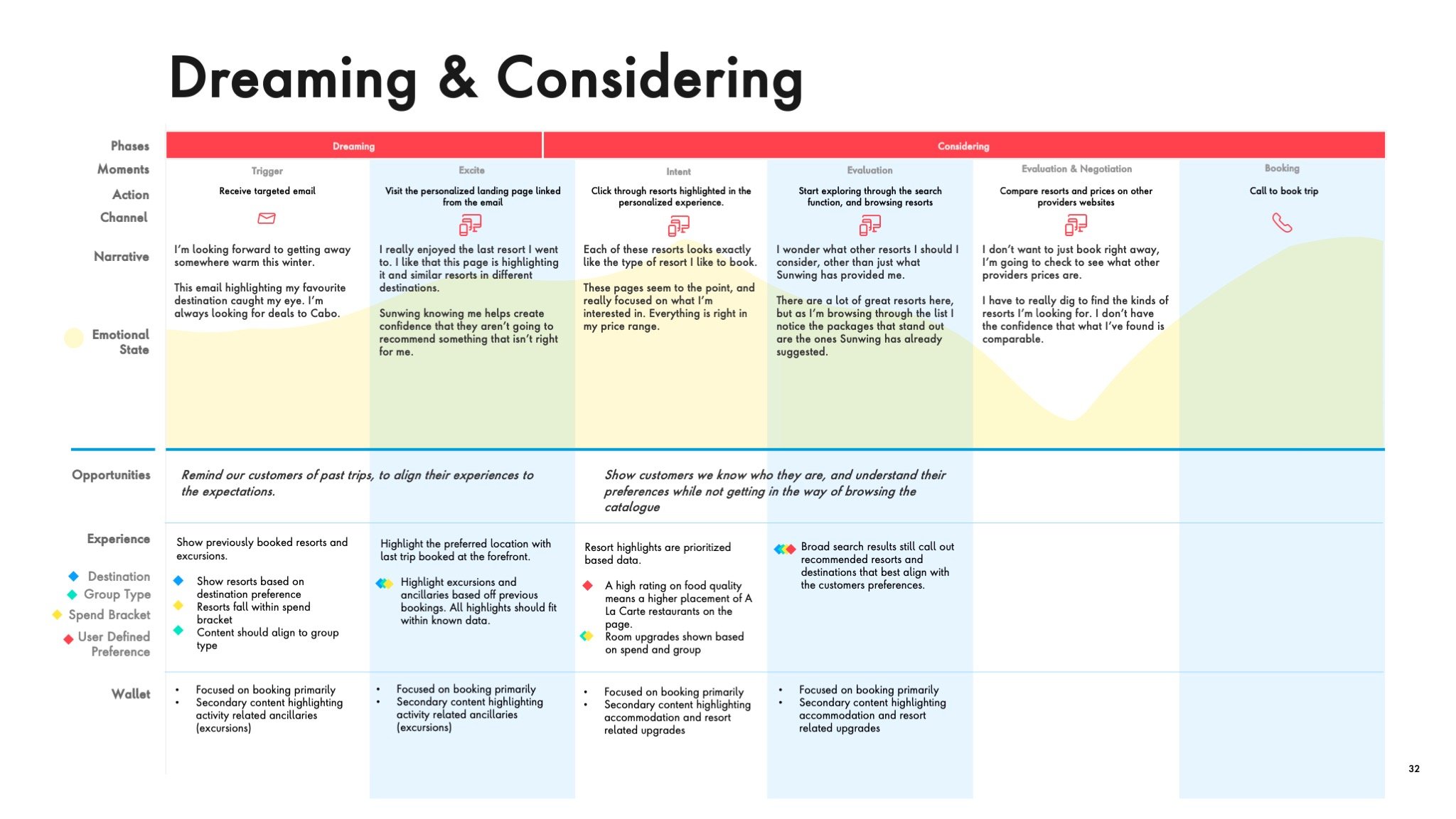
Multichannel Communications Strategy Evaluations
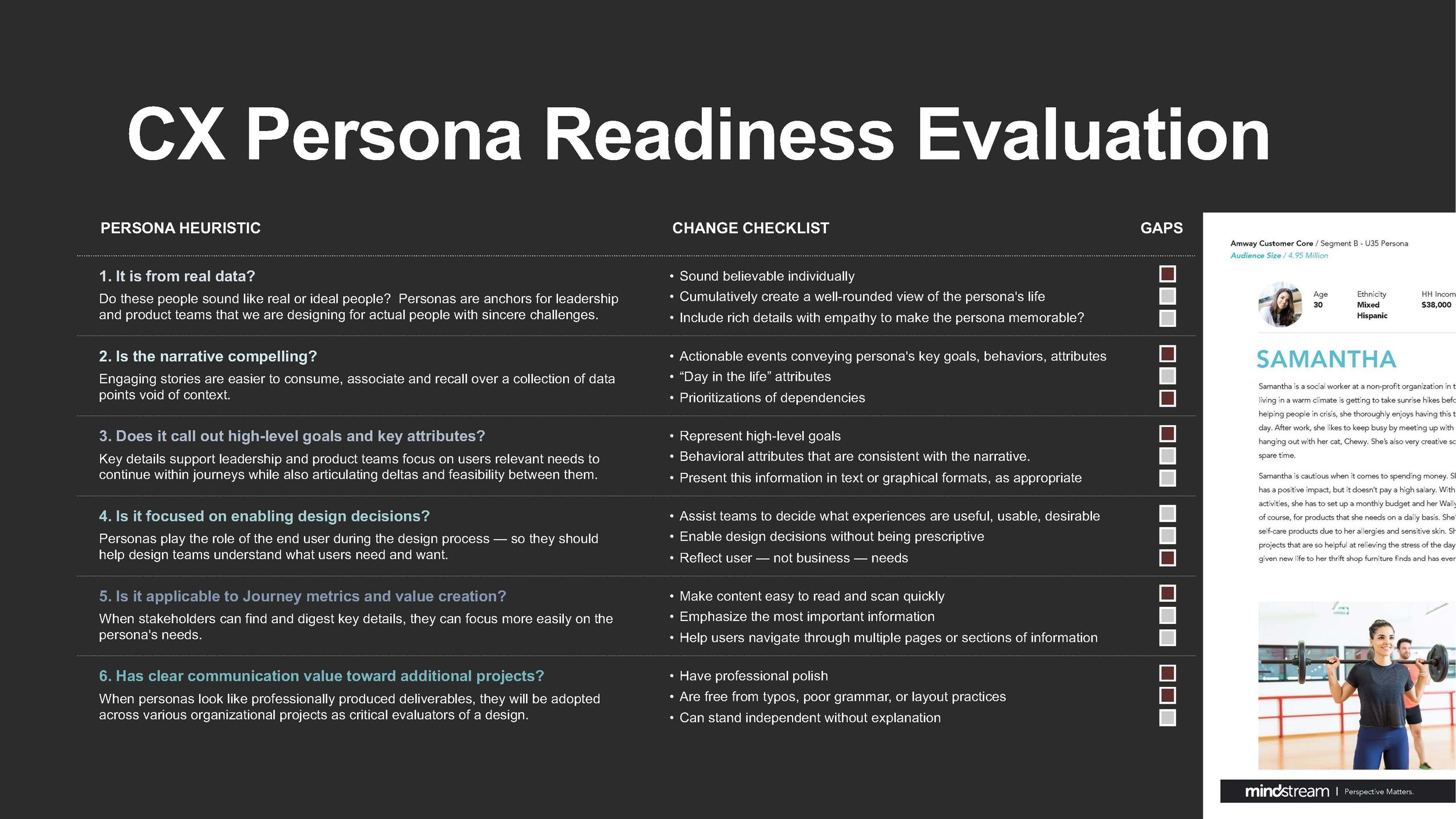
Segmentation Analytics and Persona Strategy
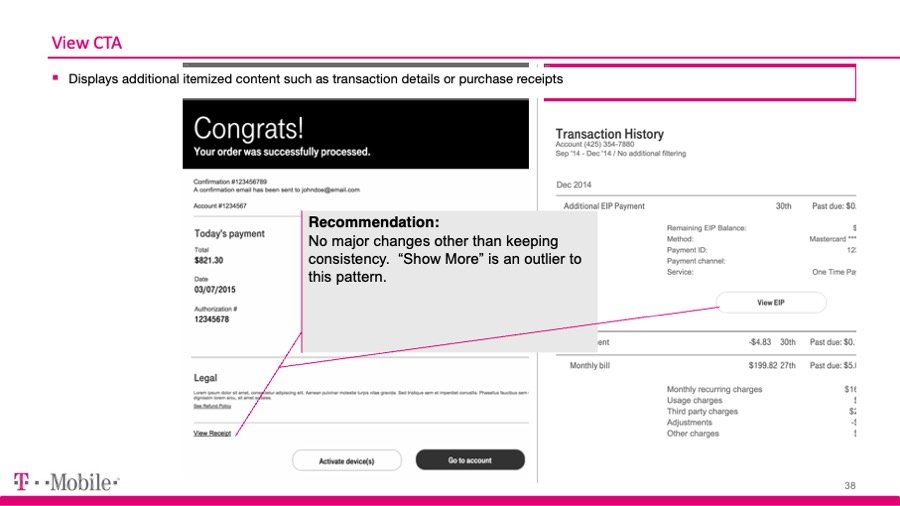
Policy & Process Design Impacts
Collaborative outcomes
“It is wiser to find out than suppose.”
— Mark Twain











Featured Case Studies

Caterpillar
Salesforce Global Unification Discovery & Alignment

Featured Case Study : Business Research
When customer success required product process collaboration.
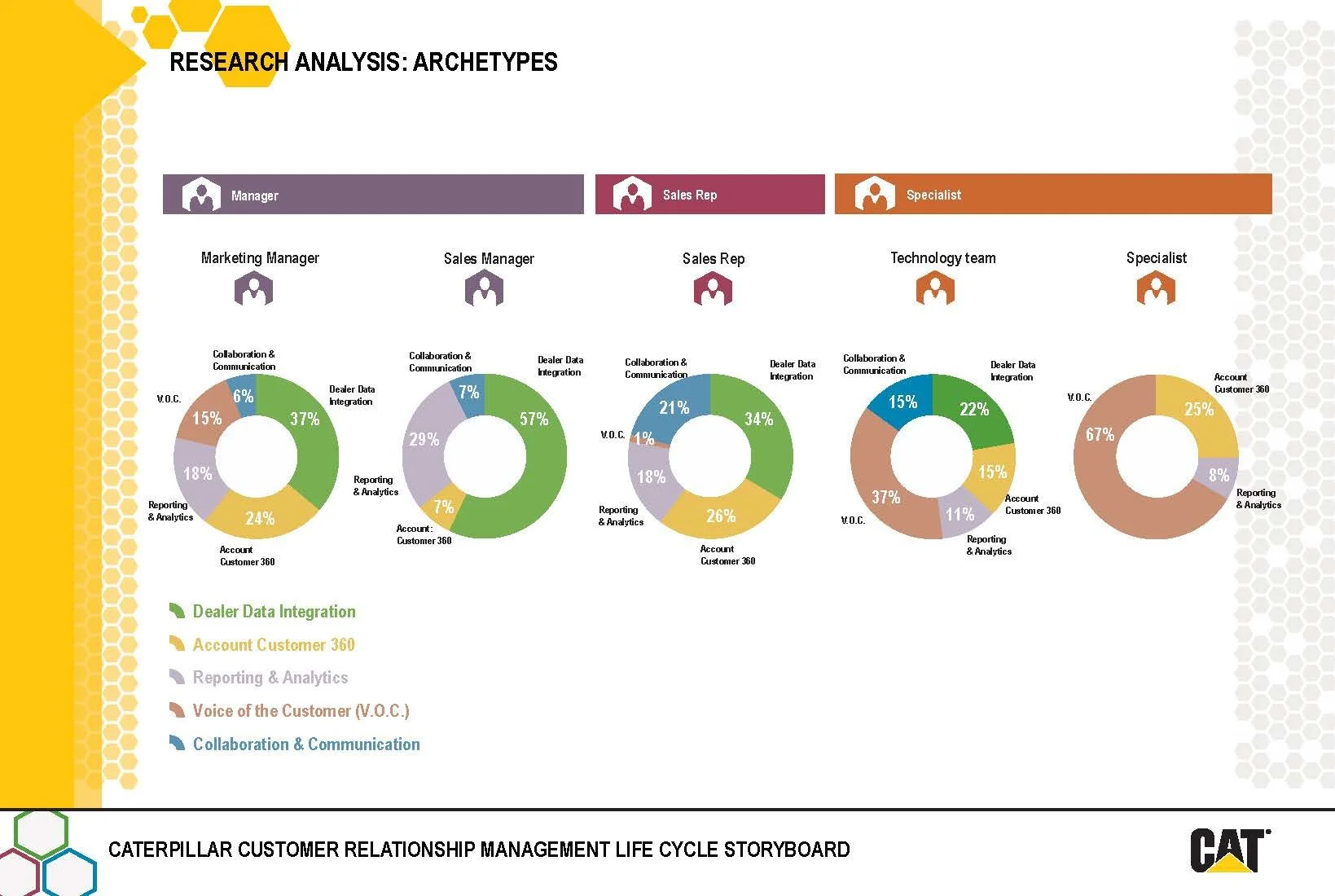
Core Problem: Dealers were losing sales because they lacked the right Caterpillar technical support, not because they were undertrained. Global sales and product lifecycle processes were fragmented across business units with no shared ownership model.
Business Impact: Sales were slumping from either excess configuration or project misalignments. Leadership had no unified view of the sales cycle while profit outlooks were being cut and jobs eliminated. Global business units had fragmented operations that could not easily connect across complex organizational product expertise in quote cycles due to role ownerships and process discrepancies across the sales cycle.
Solution: Connect strategic customer success sales to unify a (SFMC) PMLC pipeline validated from global process research. Led global research across 53 sales stakeholders, distilled it into 5 critical executive themes, and delivered an executive storyboard that aligned Caterpillar's global product catalog model to one future state sales process. Envisioned with a north-star prototype.
Results: Gathered executive agreement on a unified PLC sales strategy that realigned global organization with unified roles. Supported revenue growth $17.7B (2018), a $7.2B two-year increase from increased sales pipelines. Caterpillar's total consolidated public revenue for those years went from $38.5B in 2016 and $54.7B in 2018. Led Accenture to a $34M development contract.
Nuveen
0-1 system in 4 months
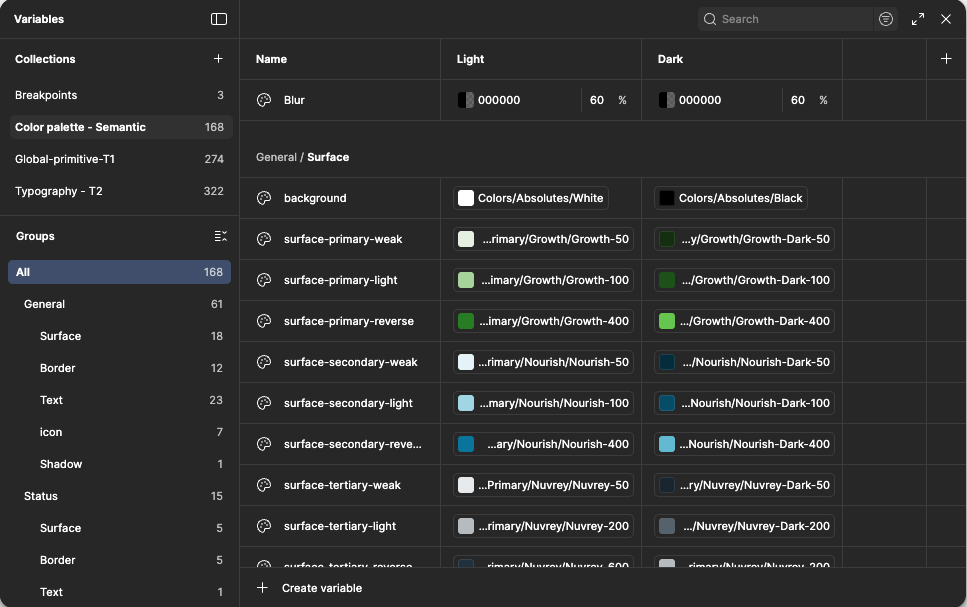
Featured Case Study: TIAA Product Ops
To forecast what’s ahead, you build flexible systems now
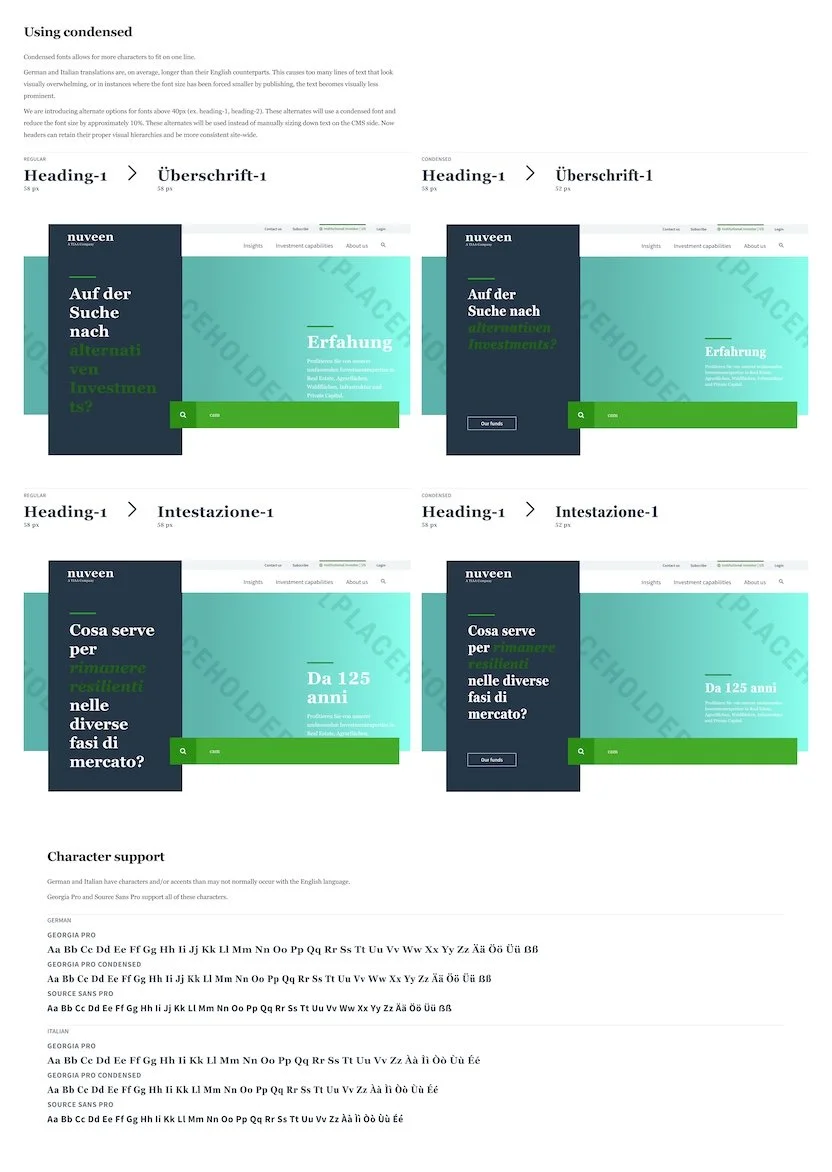
Core Problem: $1.3T Asset management platform across 11 sub-brands had no design system to scale future sales/marketing from fragmented files and only 23% A11Y standards met; significant institutional client risks.
Business Impact: Ahead of a 2025 rebrand mandate, unmanageable web component changeover and roll-out management with an increasingly higher accessibility risk per deployment across all 11 brands.
Solution: Within three months of my start, identified and secured C-suite buy-in. Then built 0-1 design system foundation in 4 months with only $250K in budget, only 3% of TIAA’s (sister) system budget.
Results: Increased development velocity ~41%. Removed 1,965 accessibility issues toward full compliance. Secured C-suite investment and support across all 11 brands. Shipped a new enterprise application on the system.
“We cannot solve our problems with the same thinking we used when we created them.”
— Albert Einstein
Secondary Case Studies

Prudential
CX modernization with business transformation
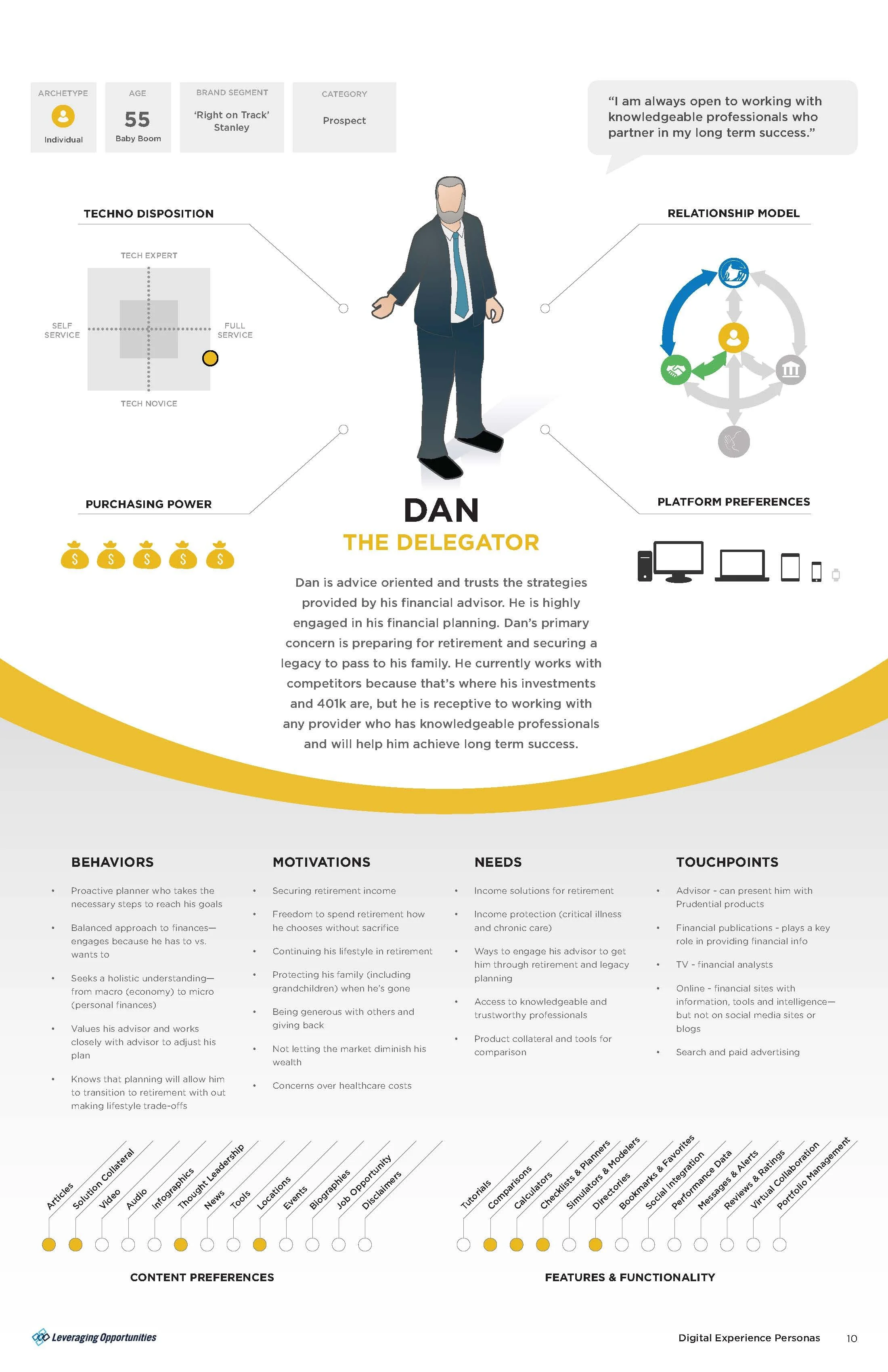
Secondary Case Study : VoC Personas
When investment behaviors required emotional relationships.

Core Problem: Significant disconnects between customer life goals and complex business products and regulated policies. 30+ disconnected marketing sites left customer, business, and advisor experiences unaligned, with no shared stakeholder ownership.
Business Impact: Sales pipelines and brand scores were suffering. Fragmentation worked directly against the CEO's public transformation strategy at the moment leadership needed credibility most.
Solution: Integrated 30+ marketing/vanity sites into a unified responsive site to align customer, business, and advisor experiences with my persona user-driven research that validated a unified architecture across five constituent groups. Delivered a phased design system, earning client trust for additional $23MM development initiatives.
Results: Work supported CEO Charles Lowrey's public three-part transformation strategy, which targeted growth businesses contributing more than 30% of earnings by 2023, up from 18% at the time, backed by $5 to $10B in planned growth investment.

United Airlines
Airport Vision Modernization Service Design
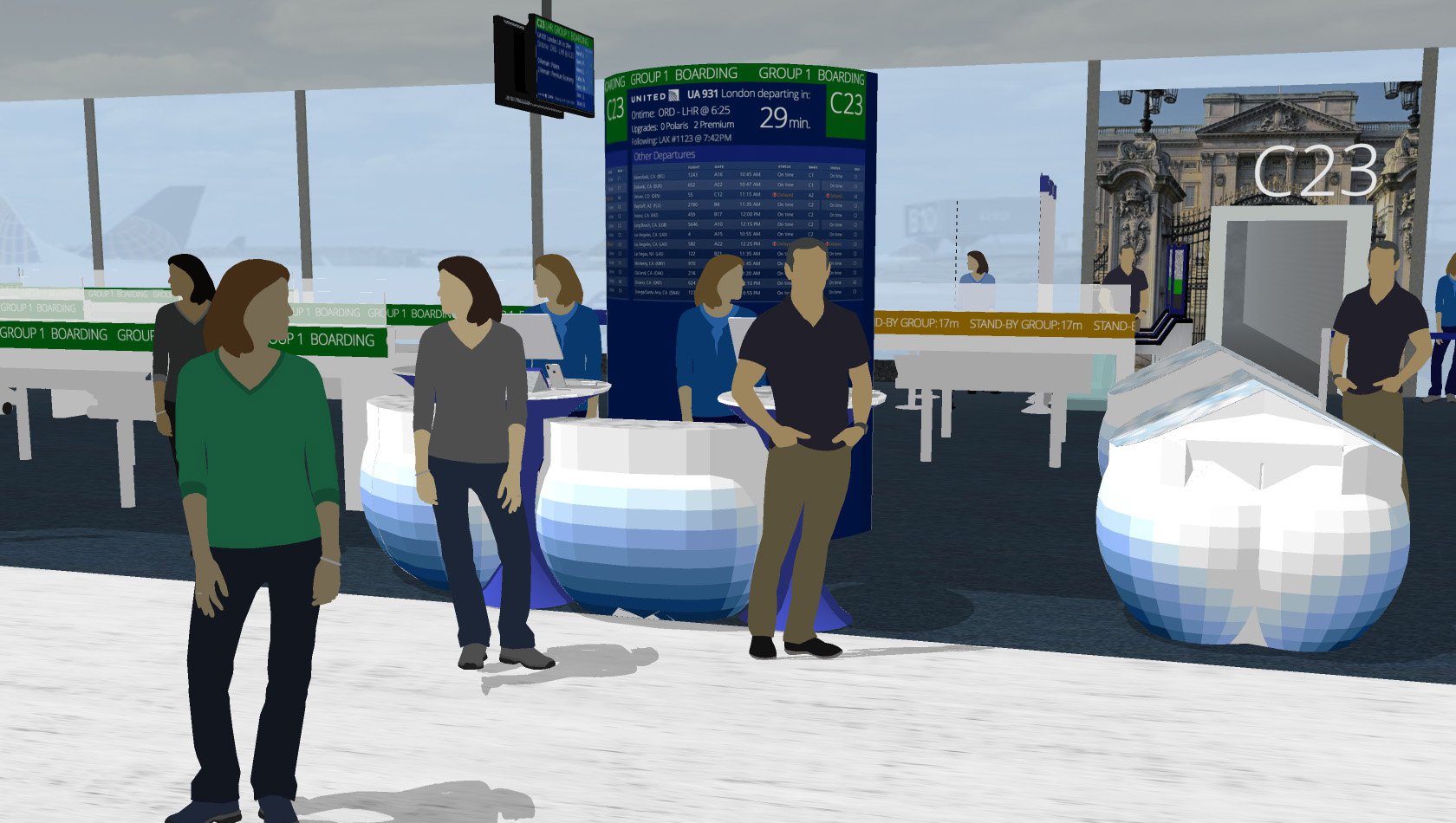
Secondary Case Study: Service Design Physical + Digital
When CX design requires thinking beyond the digital.

Core Problem: Legacy gate podiums locked agents into fixed, reactive tools while passenger expectations shifted to mobile self-service.
Business Impact: Continued investment in fixed location tools worked against where both technology and passengers were already headed.
Solutions: Developed executive, augmented reality airport concepts ahead of the outside agency's own prototypes and recommended phasing out legacy equipment for modular toolsets with minimal risks and optimal operational ROI targets.
Results: Piloted in Cleveland in 2019, expanded to O'Hare and Denver with biometrics and mobile self-help. Program continued for years after the engagement ended for a 5-year $34MM technology roadmap greenlight.

A Place For Mom
Self-serve Site Transformation Strategy

Secondary Case Study : VoC Personas
When knowing what to build required market research.
Core Problem: An intake-only call center model was driving away Millennial caregivers who wanted a self-serve, trust-building experience.
Business Impact: Risked losing new market growth for generational expectations that determined which care provider a family chose, impacting millions in lost revenue.
Solutions: Delivered a persona-driven brand refresh and community-first search experience while preserving the phone channel for less digital-native users.
Results: Delivered full site vision, brand, and marketing strategy. Supported reported growth of 30% in 2021 and a $175M capital raise in 2022. General Atlantic and Silver Lake led a $175M growth equity round in January 2022.
Product research I lead
I connect quantitative scale, severity, or volume with qualitative fidelity and reasoning behind your customer goals and pain points. This includes:
Case Study Evaluations
Business/Market/SWOT Research
Heuristics & Usability Research
Brand Messaging Research
Correlational Studies
Longitudinal Studies
A/B Testing Studies
Tertiary Case Studies

Dow Chemical
Site Brand Heuristics Transformation Strategy

Tertiary Case Study : Competitive and Brand Research
When differentiation required competitive analysis.

Core Problem: Dow's business customers had fundamentally different needs and buying behaviors, but Dow had no defined personas and no cohesive omnichannel model to serve them.
Business Impact: Risked treating a diverse B2B customer base as one audience at the exact moment Dow needed unified stakeholder buy-in for its responsive relaunch.
Solutions: Ran analytical (Quant and Qual) heuristics with prioritized recommendations tied to their business on evidence-based site strategy from sales funnel with risks model analysis.
Results: Comprehensive site strategy across multiple business units, giving Dow leadership a socialized, evidence-based responsive content and site architecture strategy. Dow's CMO confirmed the resulting clarity directly contributed to Dow's net sales rising $1.1B, from $57.1B to $58.2B in 2014, up about 2%, per Dow's own 10-K filings.

Duke Energy
Acquisition & Regulated Integration Transformation
Tertiary Case Study : Unified Site Architecture Migration Strategy
When a product integration required user research.

Core Problem: Customer energy-savings and retail benefits confusion after post-acquisition merger (Duke-Progress) was significant at 43% confidence. Needed to unify two utility websites with three verticals: energy-use content, in-store point-of-sale, and customer care. Complex stakeholders and regional/municipal regulations had limited offers and services.
Business Impact: Merger left customers on edge with municipal approvals. Call center research showed that the site’s confusion was the leading researched driver of customer complaints and support cost.
Solution: Delivered a single, unified site content architecture migration strategy and portal experience, replacing two fragmented legacy platforms and removing a top driver of support cost. Envisioned a site-wide integrated storefront and first-ever customer care site from my research.
Results: Following year, customers reduced peak demand by almost 9% (2014) that exceed their 4% targets, and reduced customer complaints. Two-year revenue rose $17.91B to $22.51B, up about $4.6B, roughly 26%.
75%
of customers say they lose trust in an organization after a poor in-product experience.
71%
of customers say they place less trust in an organization after a poor customer service experience.
GetFeedback by SurveyMonkey
VoC/E Considerations