
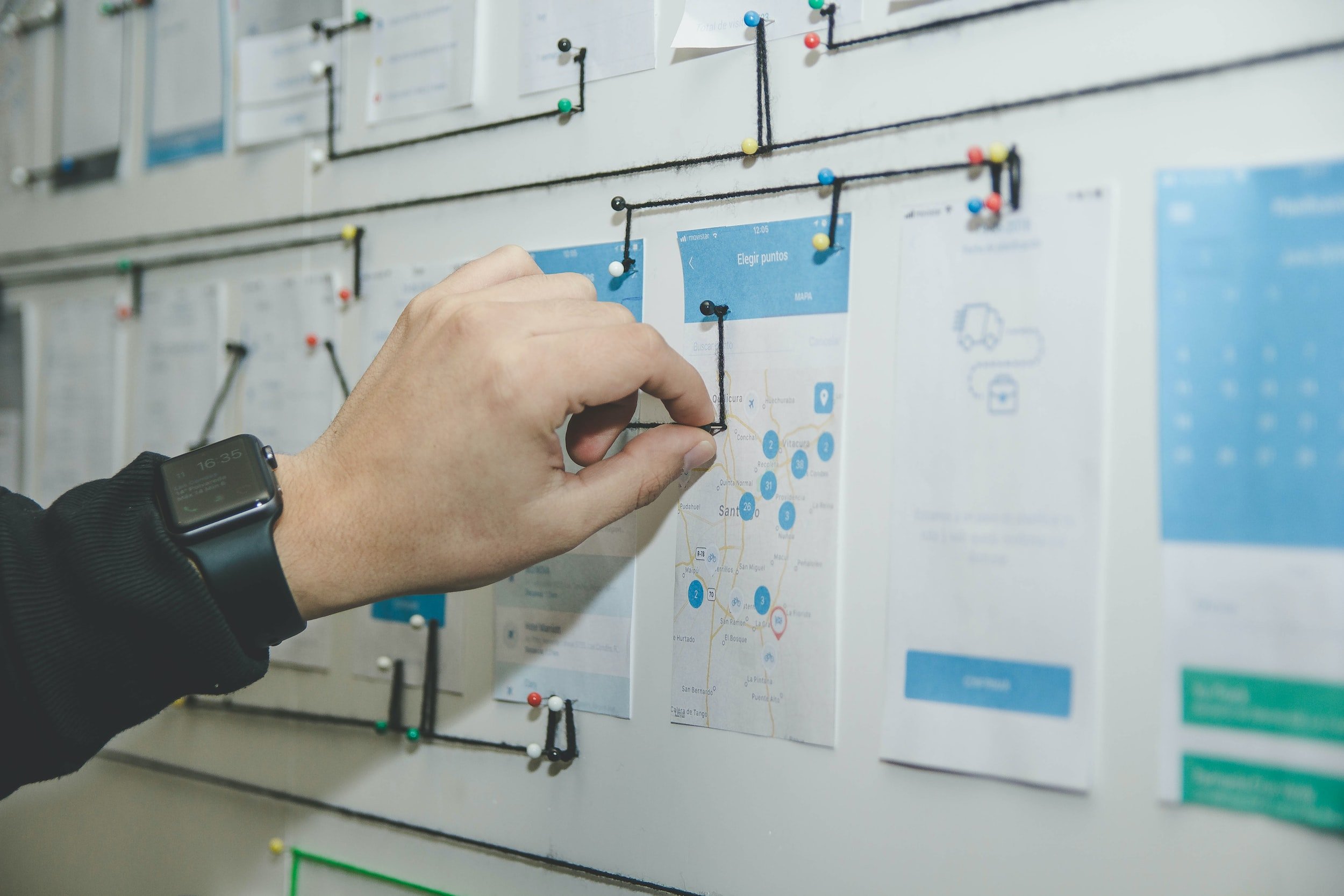
Product Leadership Design | Craft (& Service) + Systems ScaleExperience must scale with service: holistic design.
Scaling craft with service, without scaling cost
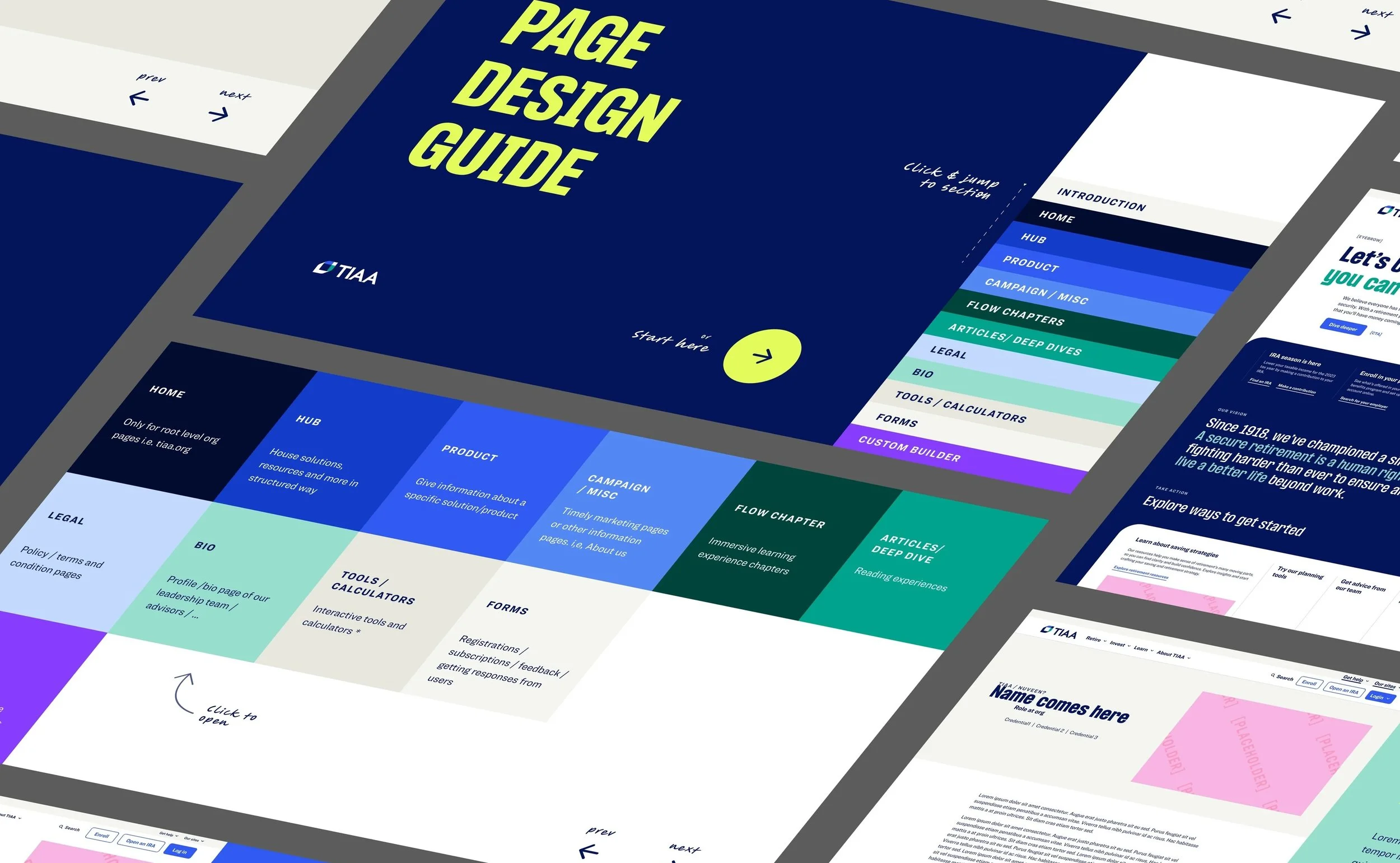
Design systems across service design scale the craft, not an artifact. Without it, engineering and support costs balloon, and enterprises pay 10-fold in lost customers.
Value, Delivered
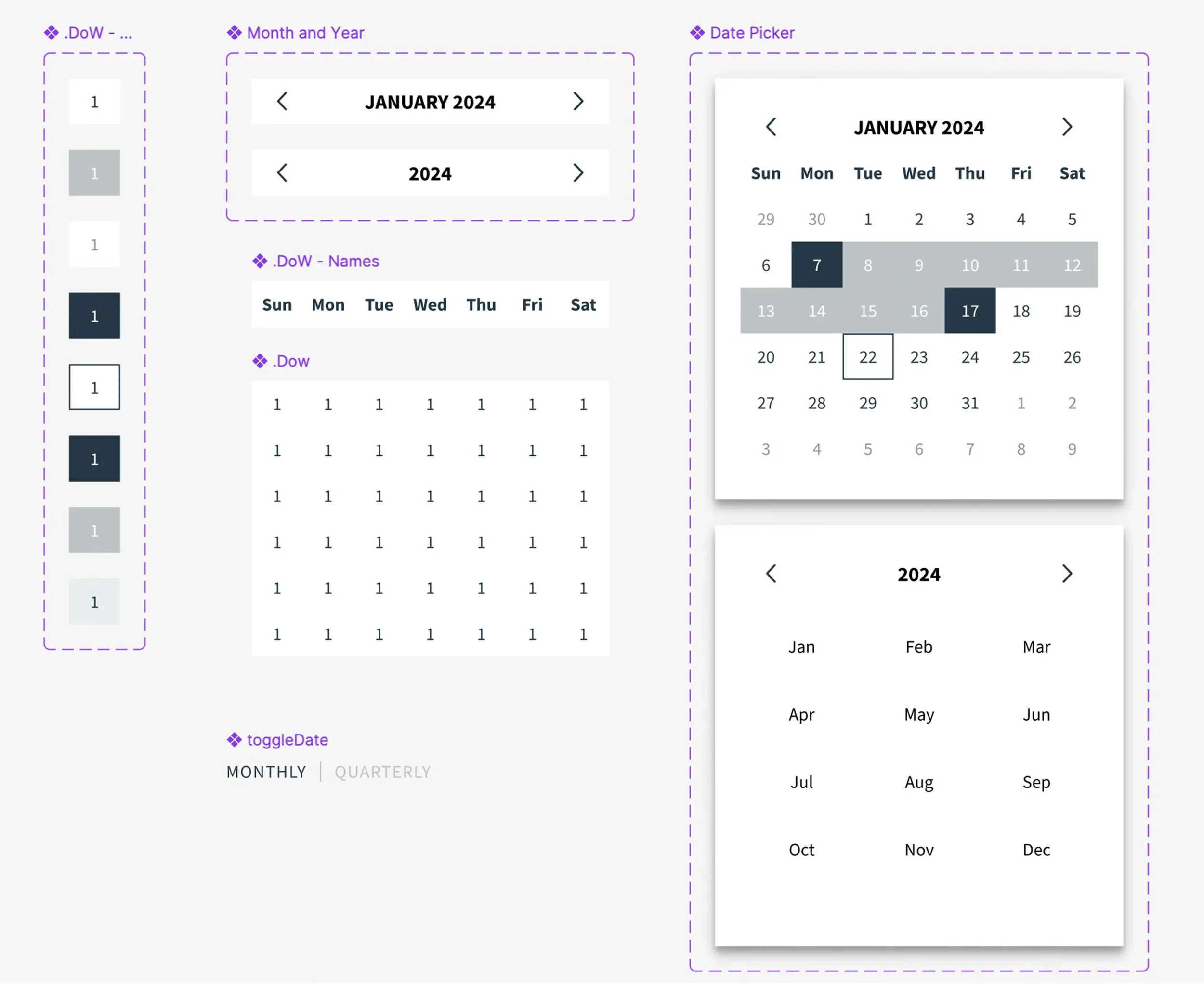
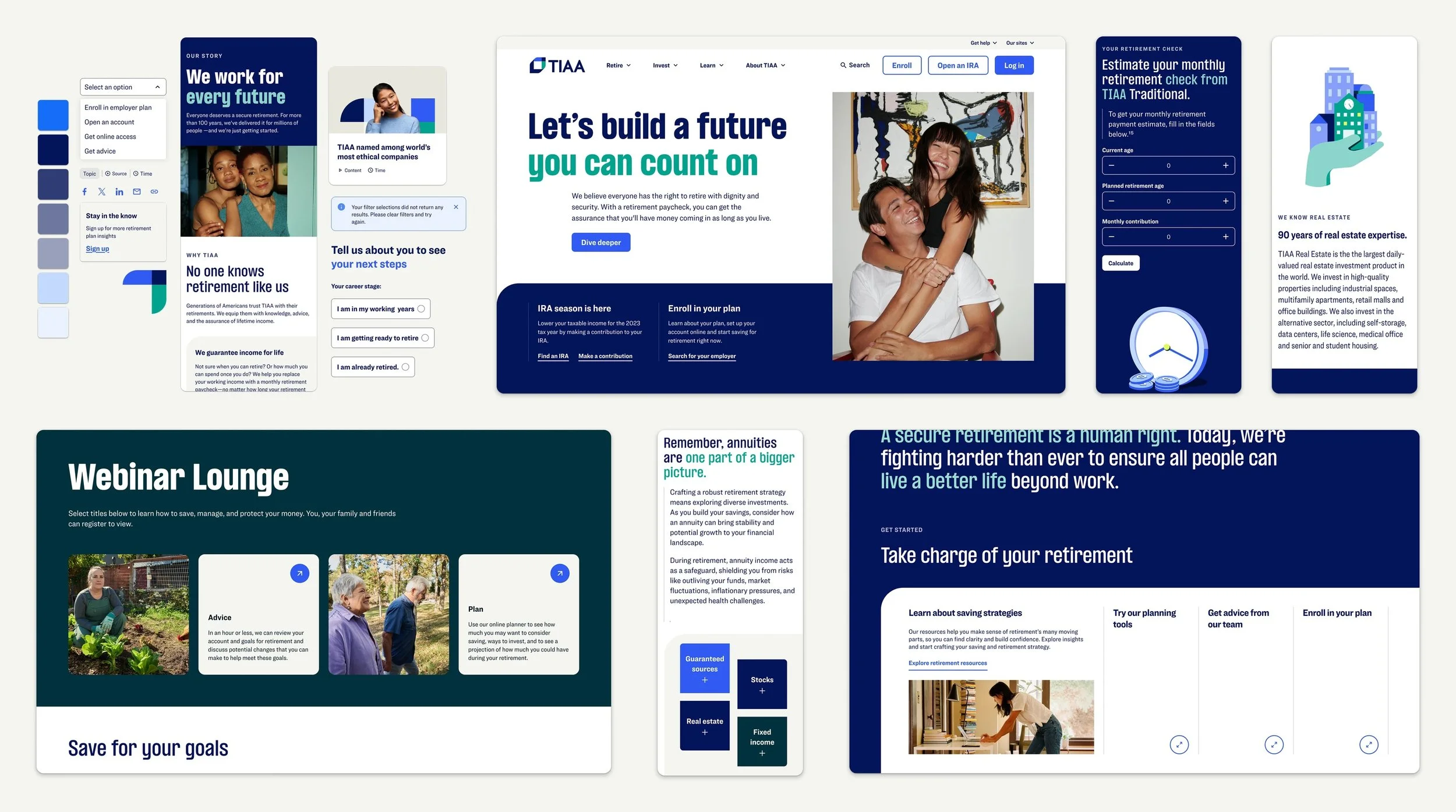
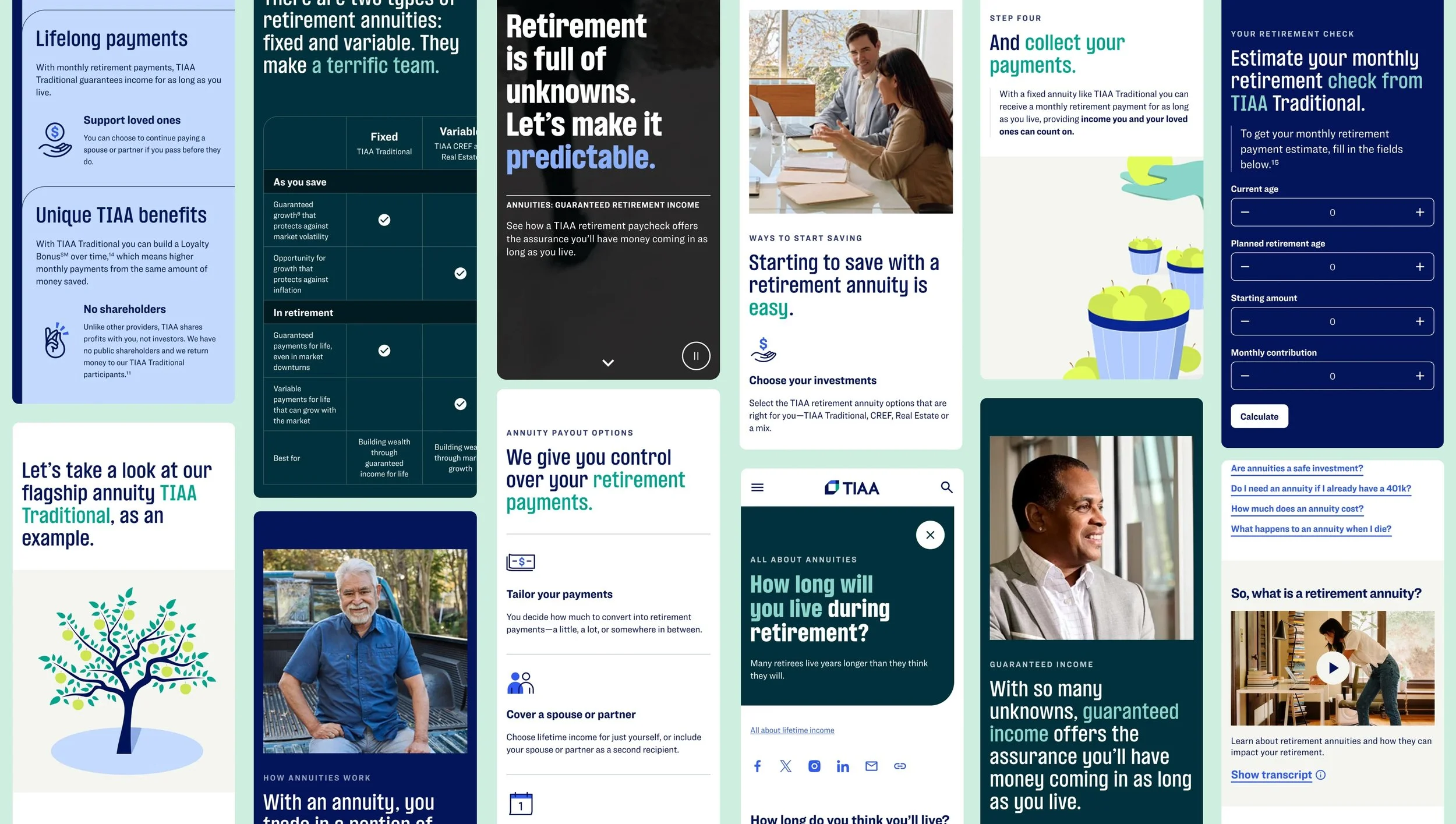
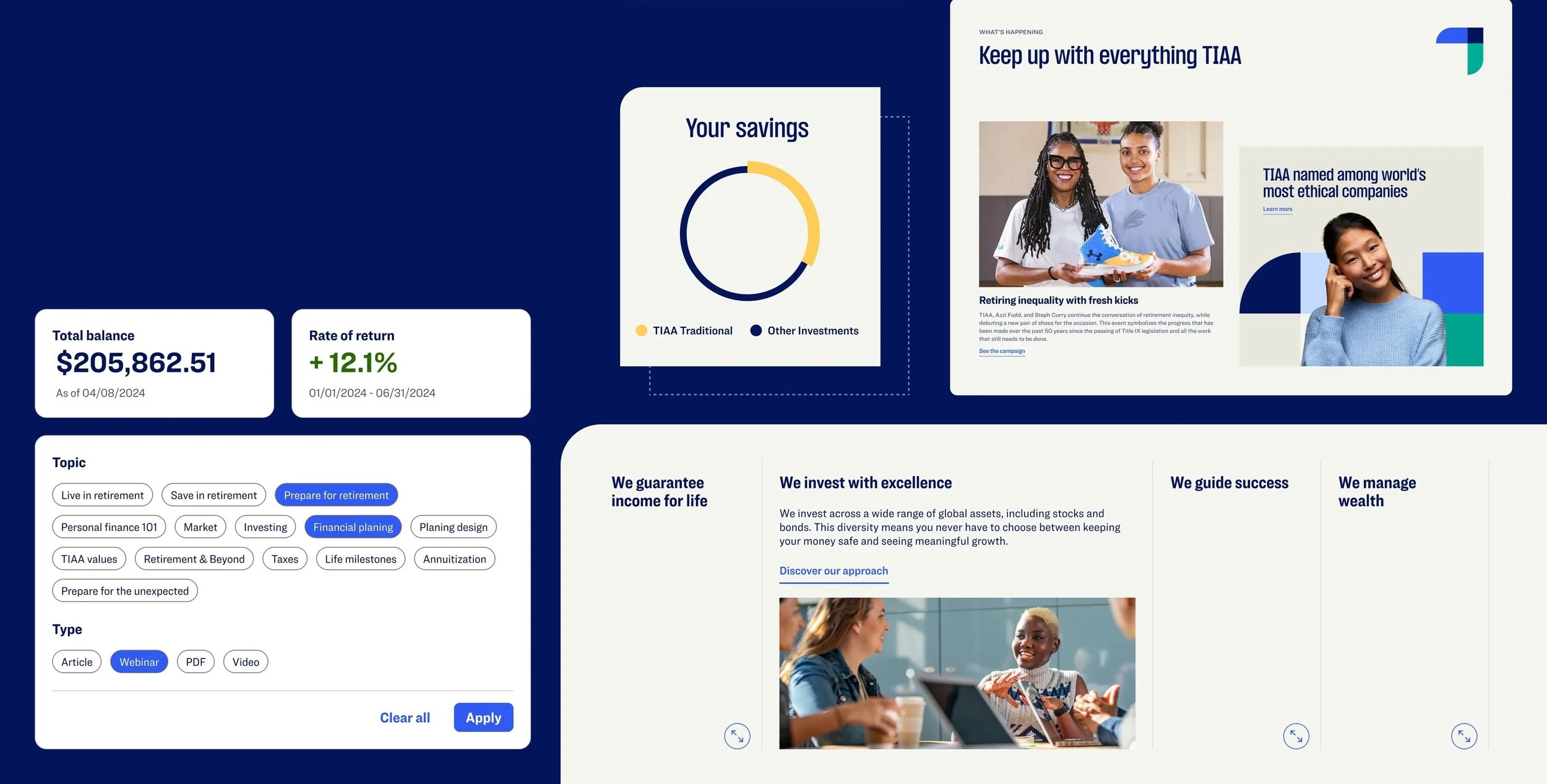
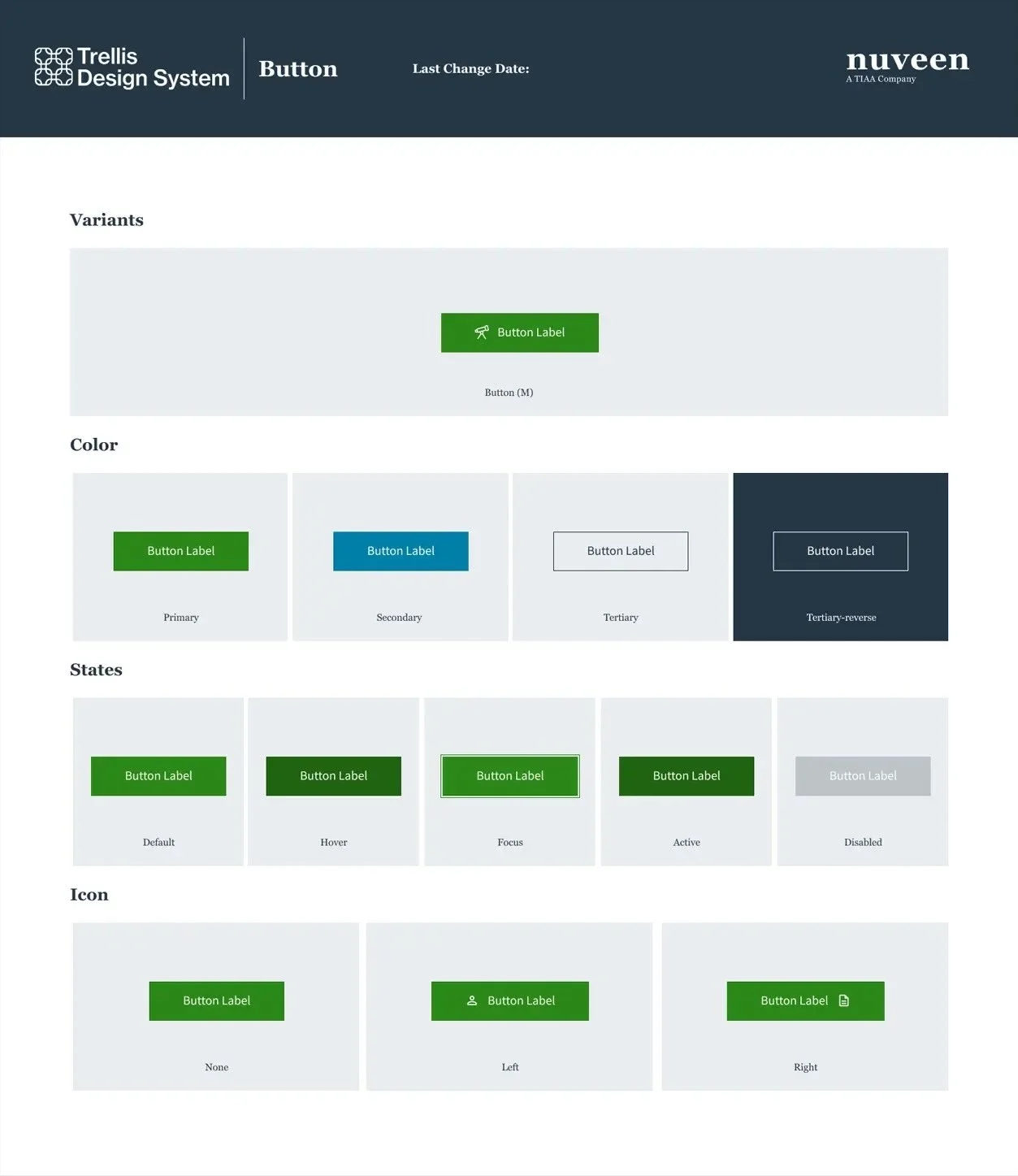
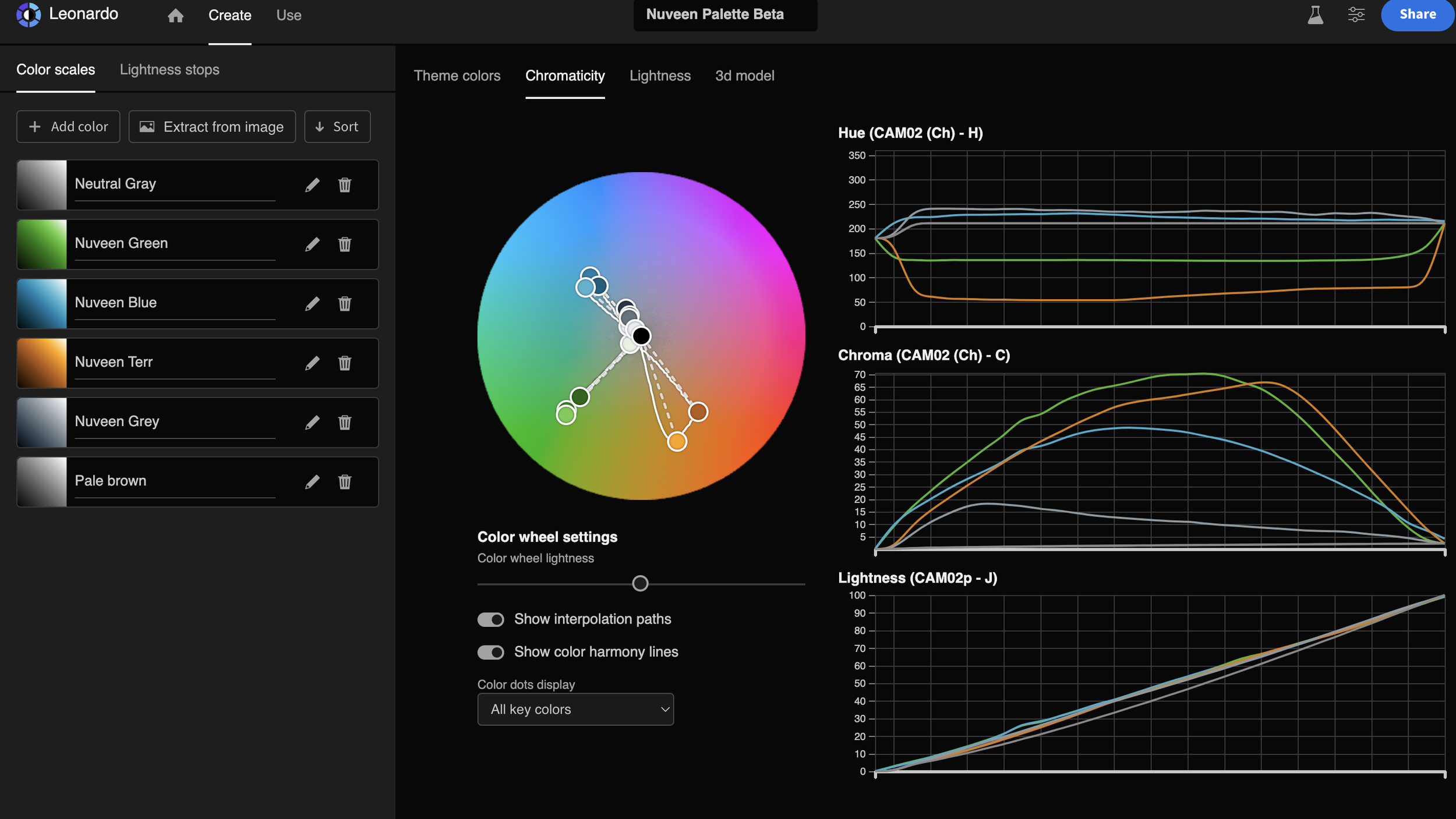
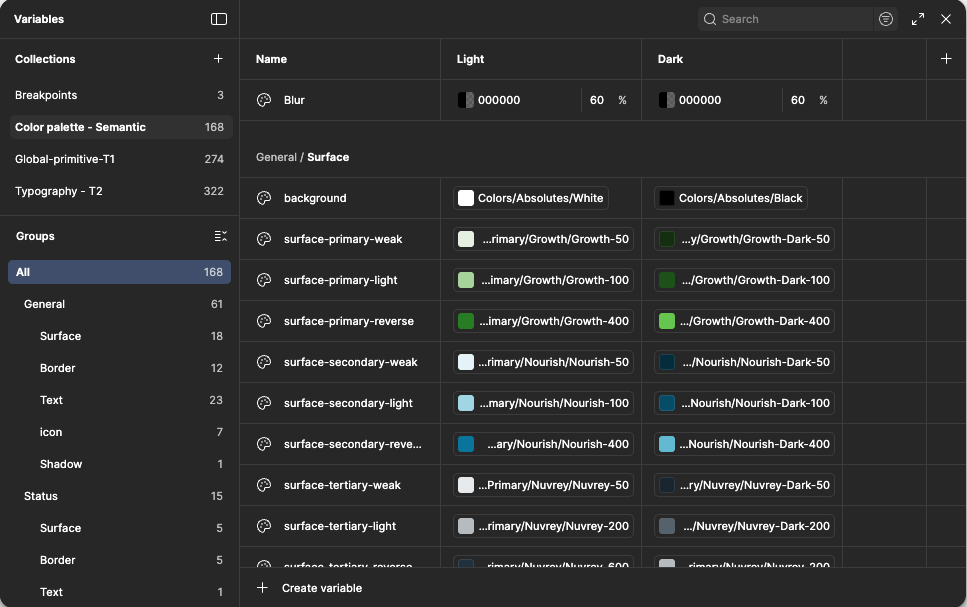
Design delivery requires so much more than pixels and flows. I recently built a 0-1 design system at Nuveen in four months on a shoestring $250K budget, and scaled a second at TIAA (Ethos) with 90-plus core component library across four token themes and multiple variables. Nuveen system was roughtly 3% of the sister system's budget, as I capped it at architectures simplicity while keeping development open over 55 components. Systems fail by too quickly overbuilding, not underbuilding.
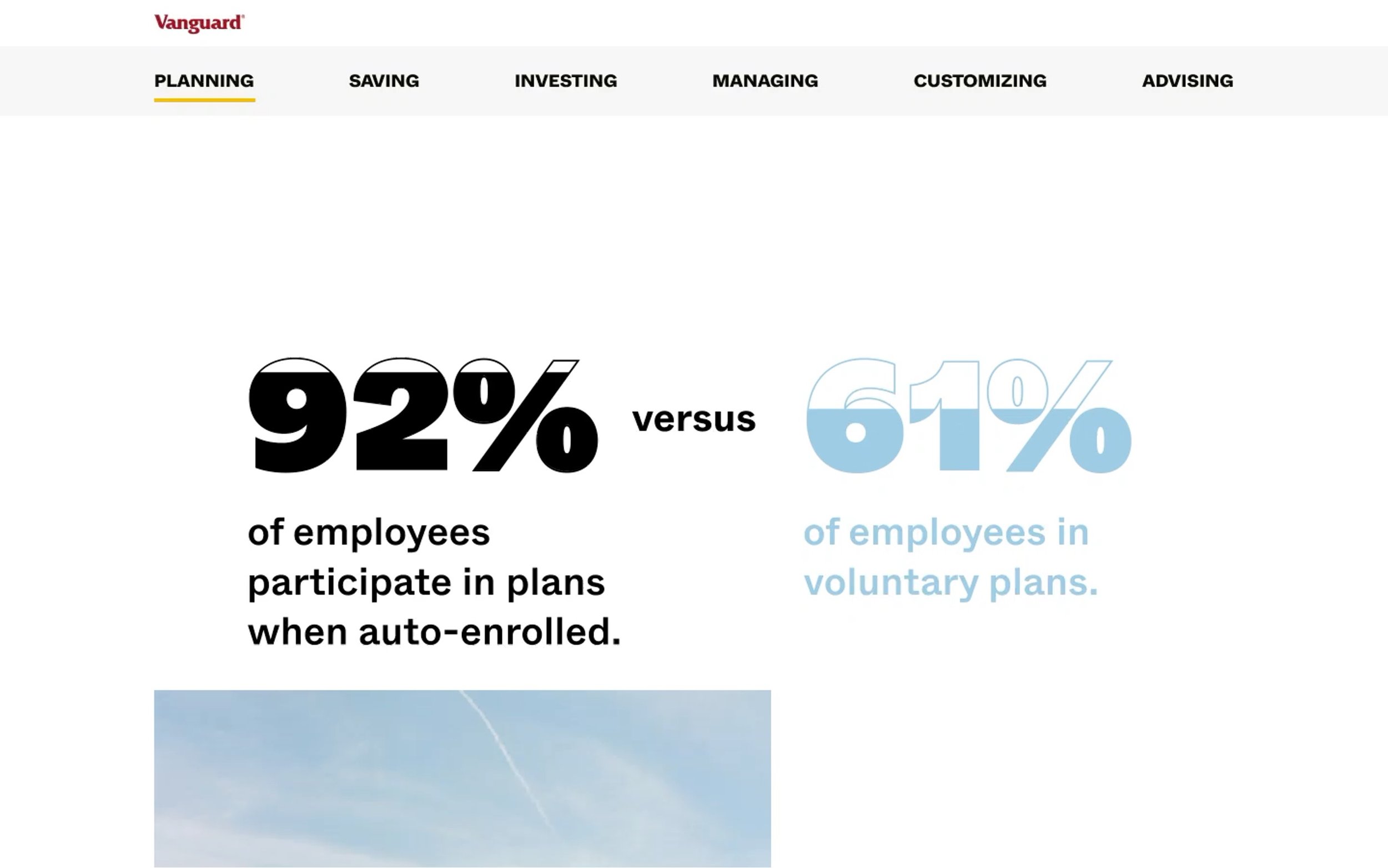
The leverage shows up downstream: development velocity up about 41% across 11 sub-brands, 1,965 accessibility issues removed, rebrand adoption from 11% to 97% of L0 to L3 site experiences, and 42 releases across 5 business units in twelve months.
Two decades leading design, content, architecture, and systems teams sits underneath that, and I still work hands-on when it is the fastest way to unblock a team. At Nuveen, I mentored a team off XD onto Figma while training them to build our first design system in the same 4 months they were learning the tool, on learning tracks with AI-upskilling benchmarks and promotion milestones. When design can solve the problem, I go there.
0-to-1 design systems: governance, contribution model, and adoption measurement
Token architecture and multi-brand theming at enterprise scale
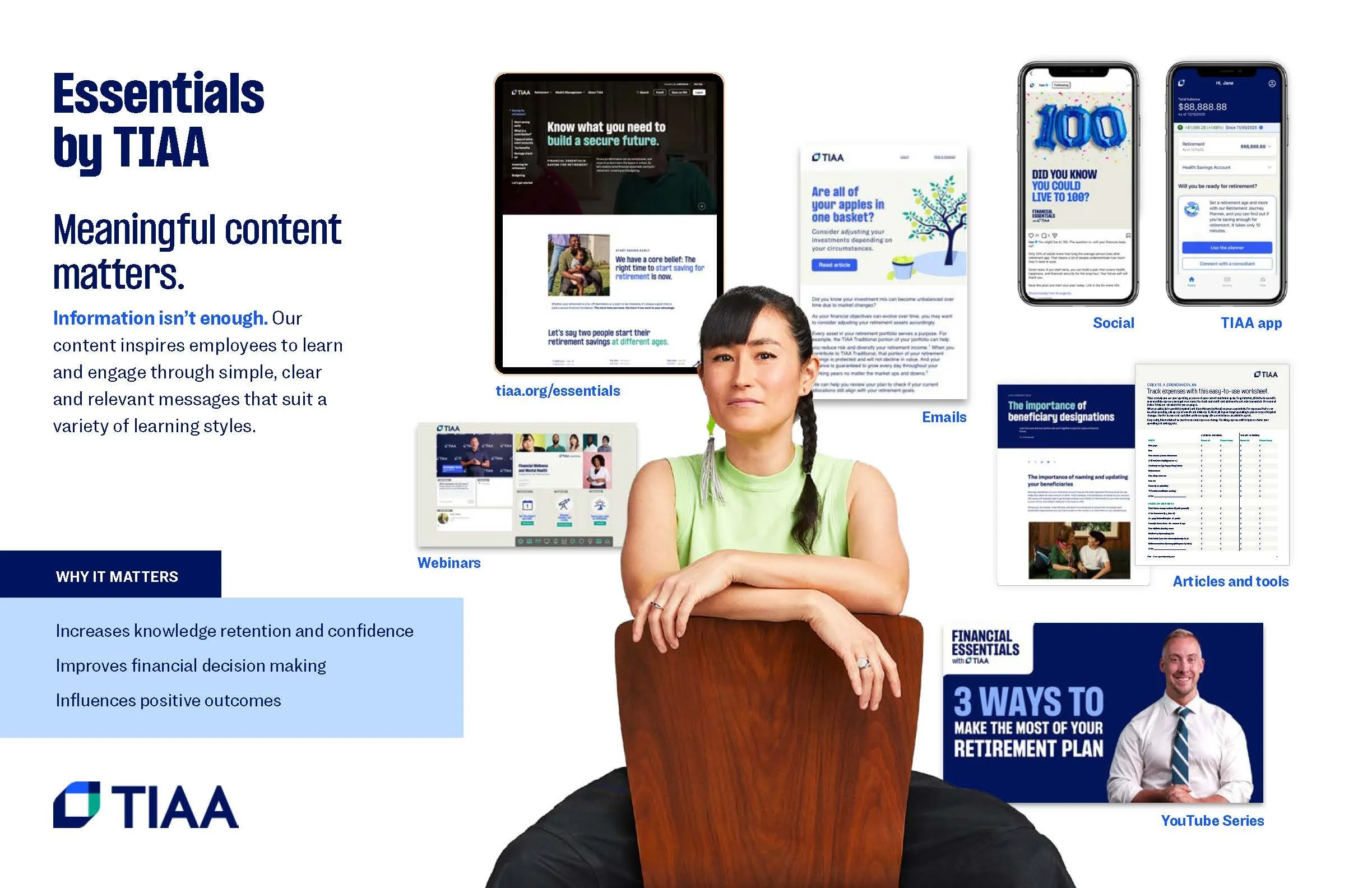
Content architectures with governance and best-practice narrative template guidelines
PRDs, epics, use cases, and user story definition
Accessibility conformance built into primitives rather than remediated after
Native and enterprise application requirements management
Rapid prototyping and validation, with documentation through production and use case flows
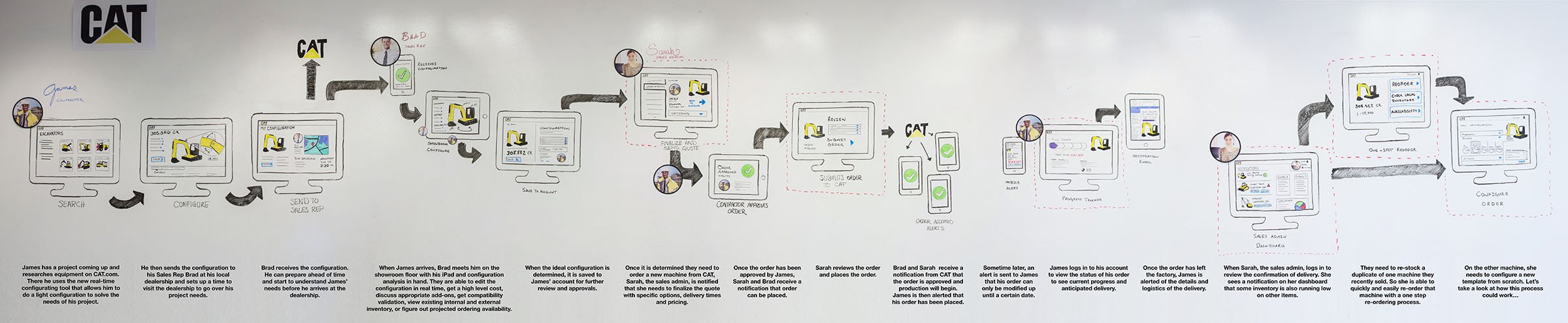
Service blueprinting across digital, physical, and operational touchpoints
Design-to-engineering handoff, documentation, and Jira requirement mapping
Collaborative outcomes
TIAA (AI product): Shipped a 0-to-1 AI-assisted personal finance app in 11 weeks with spending-pattern analysis and connected outside accounts. 97% subscription conversion and roughly 212,000 new enrollments.
Nuveen (0 to 1 system): Built Trellis, a global FinTech design system, from zero to 55+ components in 4 months on $250K, roughly 3% of the sister system's budget. Development velocity up about 41% across 11 sub-brands.
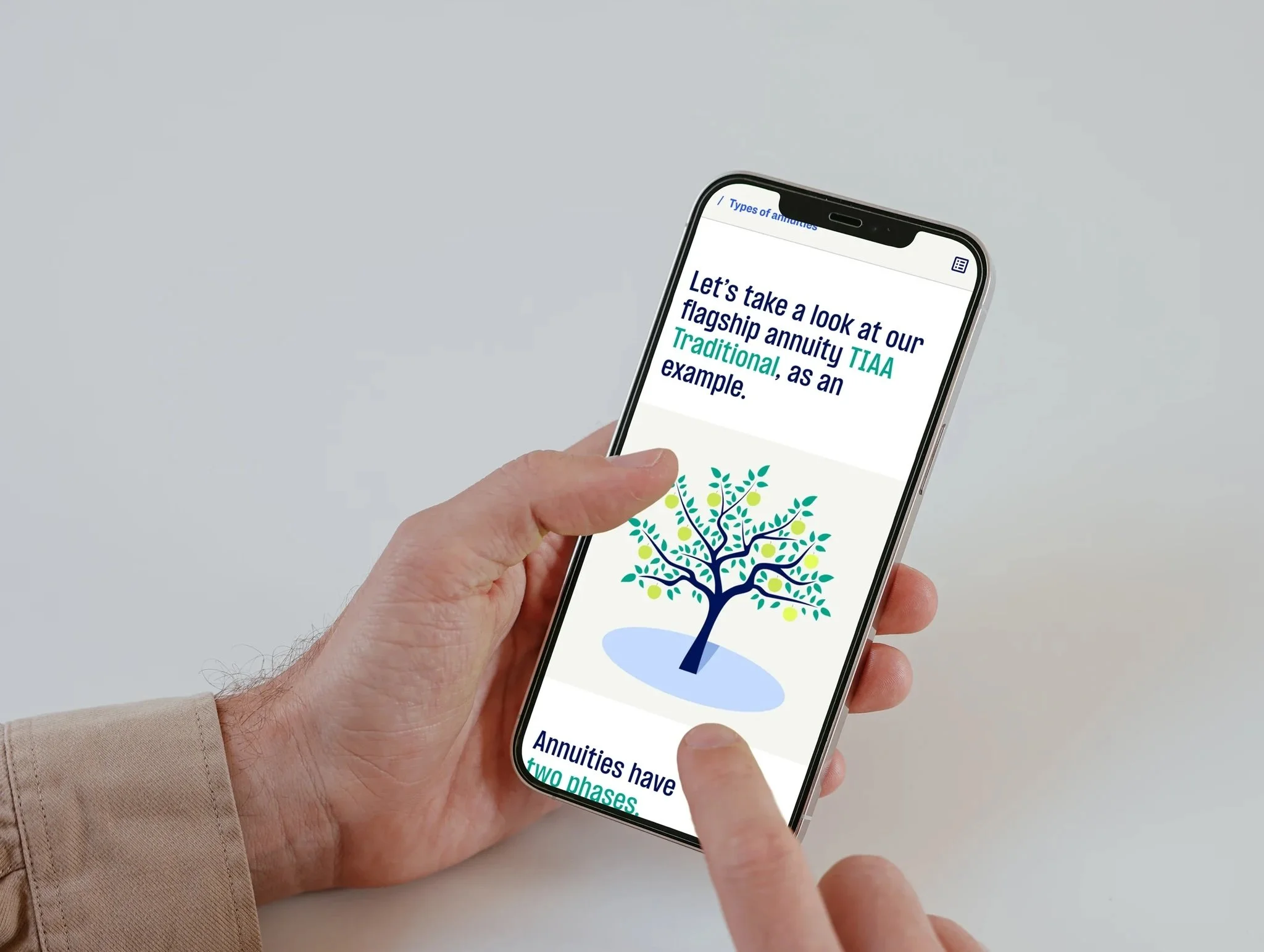
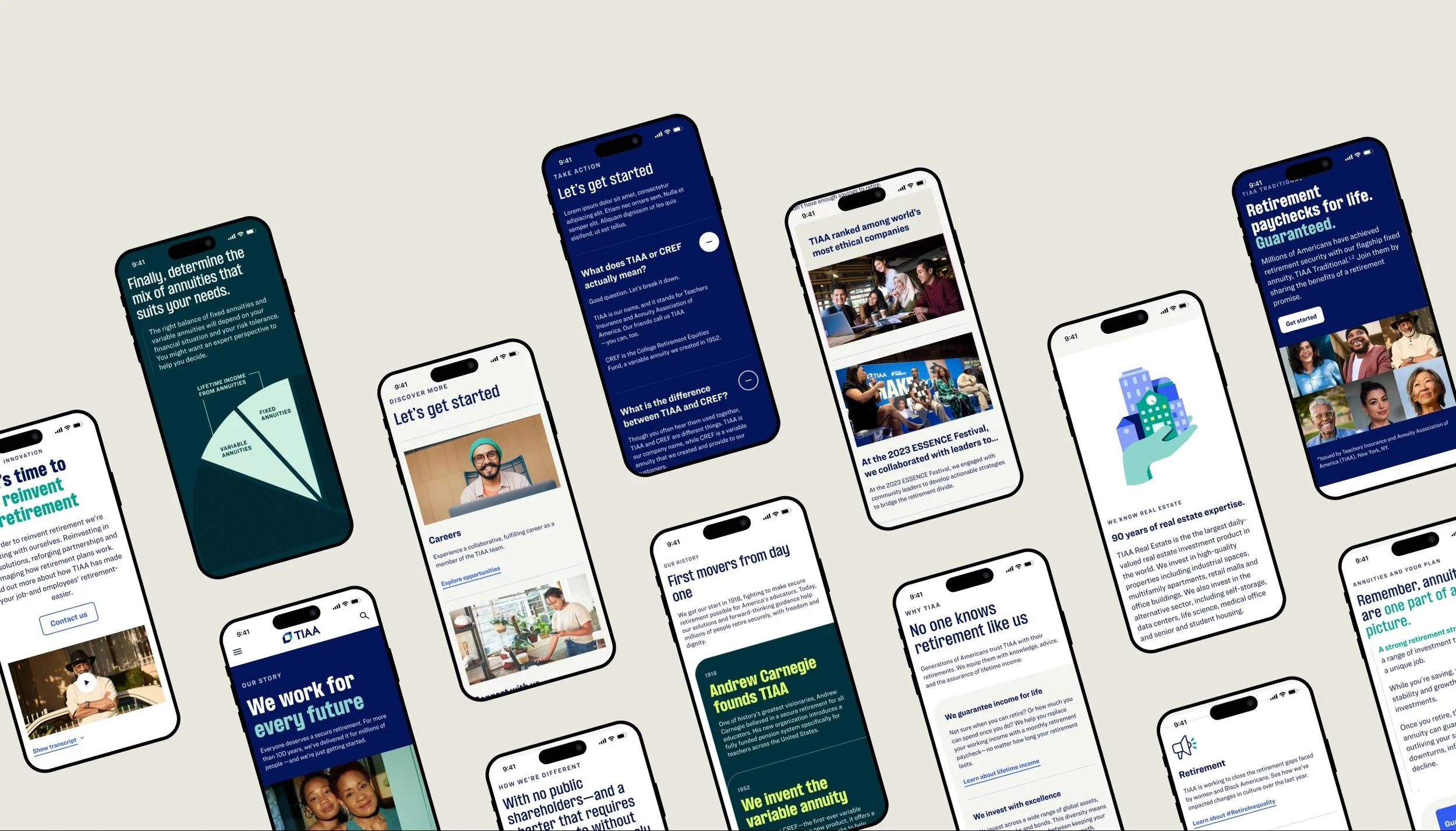
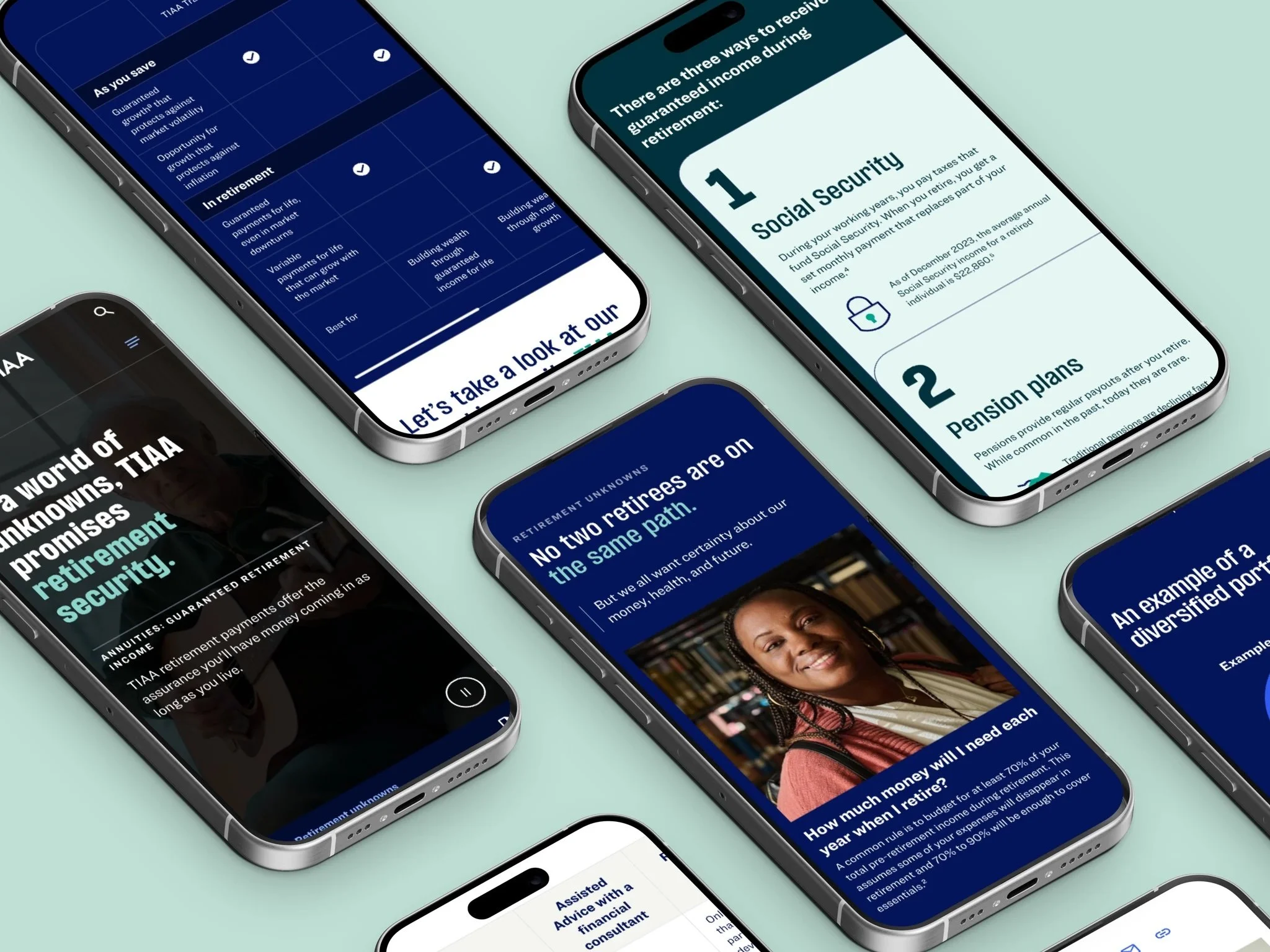
TIAA (scaling a system): Matured Ethos to 90+ components across 4 token themes and migrated Angular to React. Removed 1,965 accessibility issues, taking WCAG conformance from 23% to 100%.
Adoption: Drove TIAA rebrand adoption from 11% to 97% of L0 to L3 site experiences and shipped 42 releases across 5 business units in 12 months.
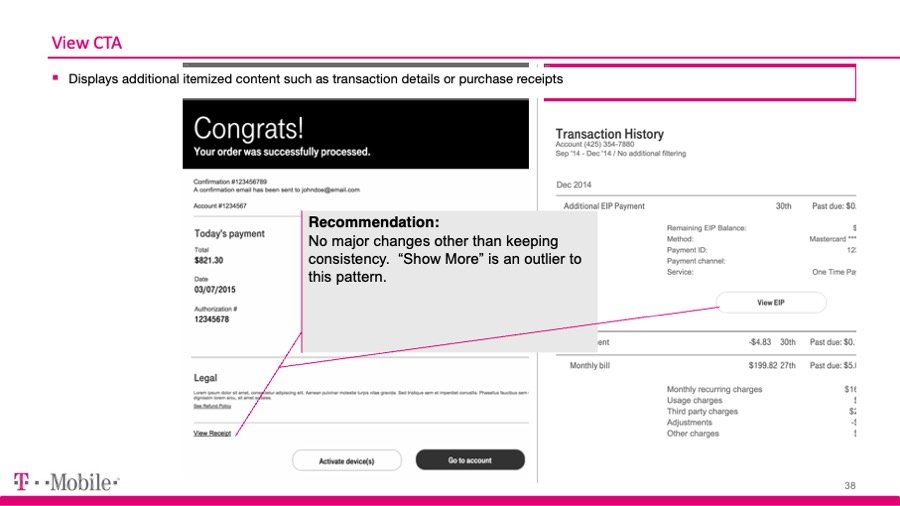
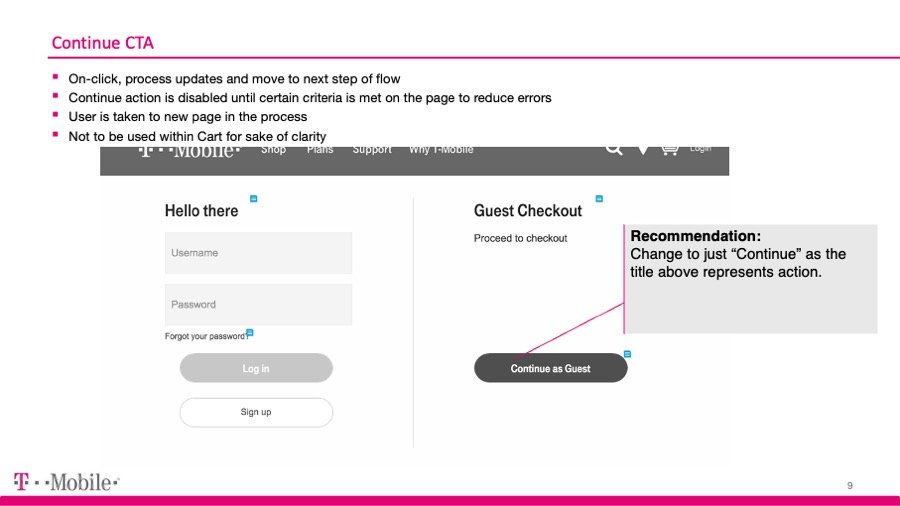
T-Mobile: Led "Rebellion," the first unified design system across commerce, in-store POS, and customer care, with full governance and a 90-page team playbook. Cut deployment costs $22MM YoY and $2.2MM in support.
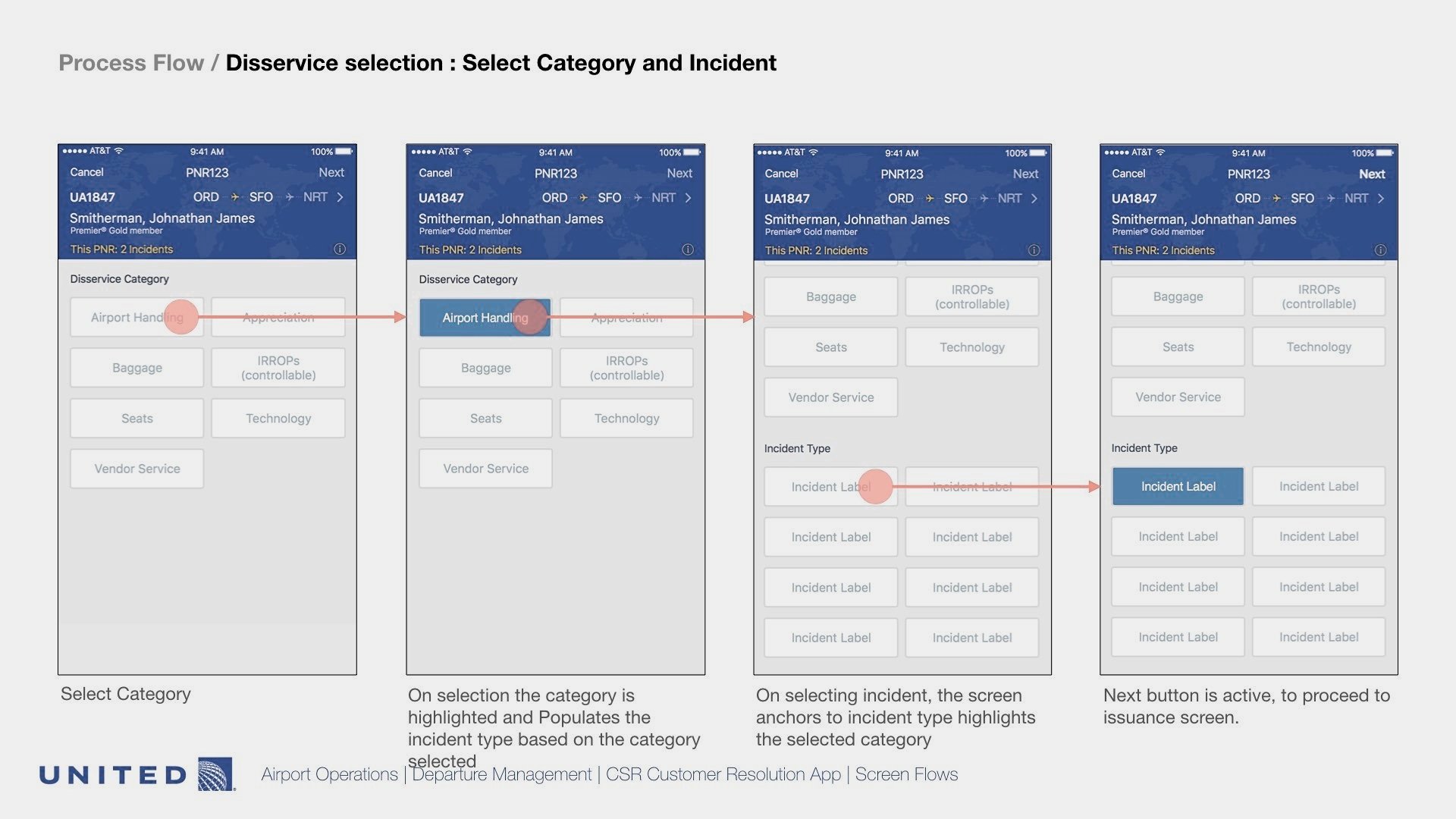
United Airlines: Product-design-managed 13 apps across 7 operations business units. Operational efficiency up 6% (1.6MM), zero downtime and zero-error releases for 3 years, 27 on-time releases a year.
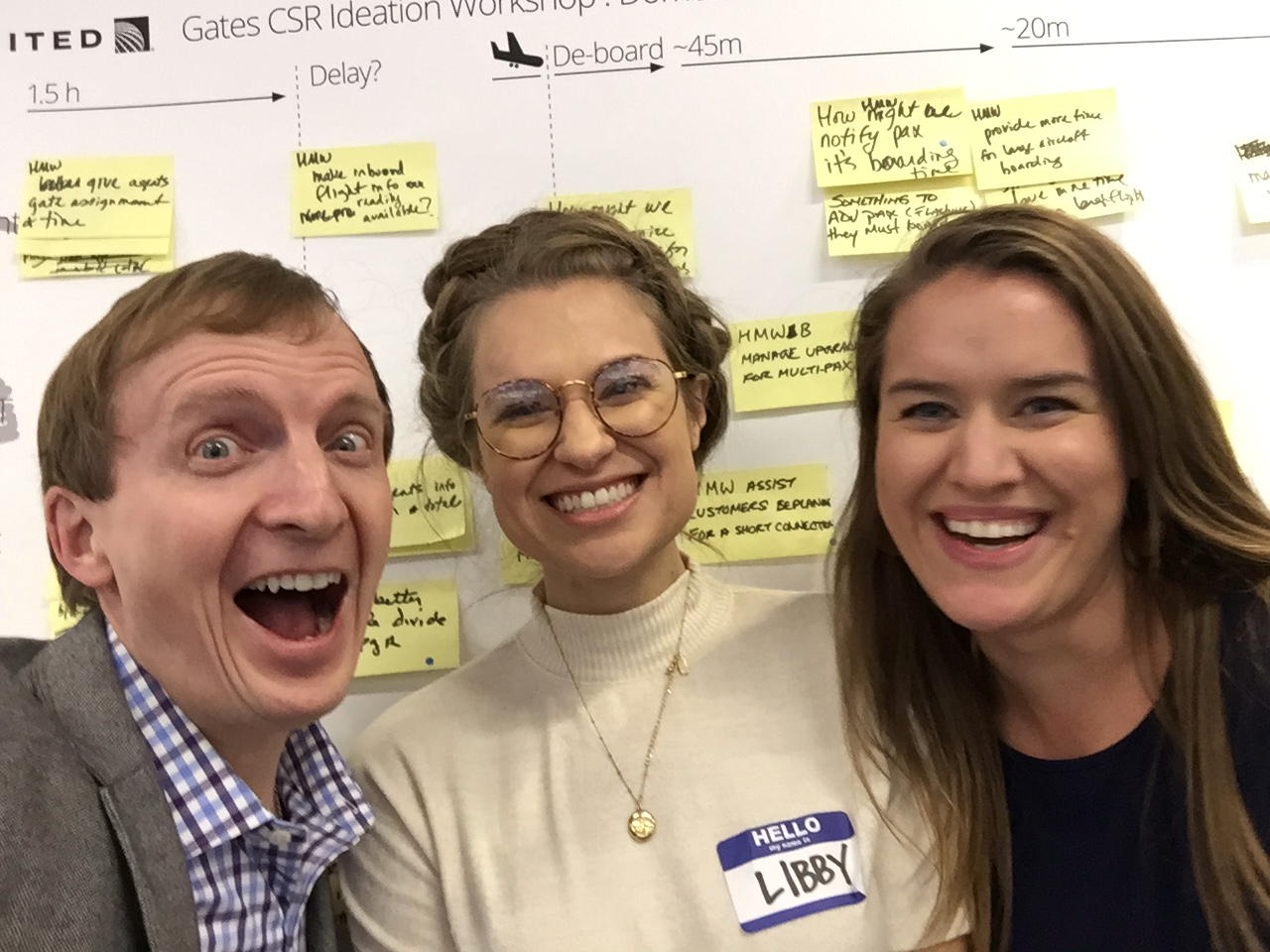
United (service and IoT): Field-tested augmented reality gate concepts, NFC bands, facial recognition, and IoT gate innovation. 2 CIO100 awards and 1 employee award for mobile product innovation.
Craft at scale: 5 design systems created or managed since 2014. 6 design-system and brand-guideline playbooks. 34+ inefficiencies engineered out of process and systems.
Team: Grew the design and CoE practice 2.2x. Built an 8-tier career growth framework with HR including AI-fluency leveling, and mentored a team off XD onto Figma while they shipped their first design system in the same 4 months.
KPIs in case studies
In one year at TIAA & Nuveen, I delivered an AI-assisted PFM app in 11 weeks, built a 0-1 design system in 4 months, lifted 97% subscriptions, and deployed 42 updates over 5 business units supporting ~212,000 new enrollments.
“Design isn't just what it looks like and feels like — design is how it works”
— Steve Jobs




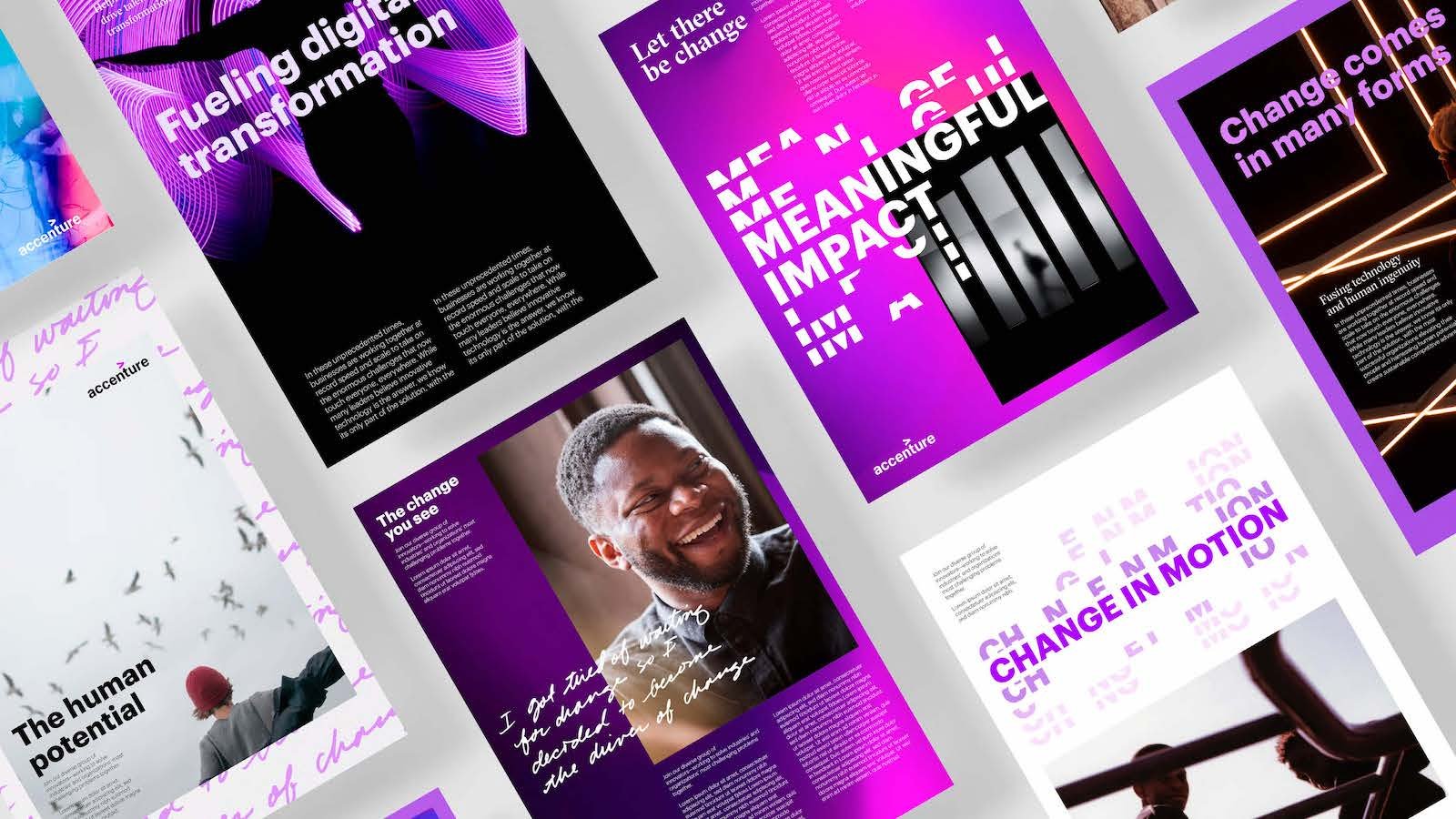
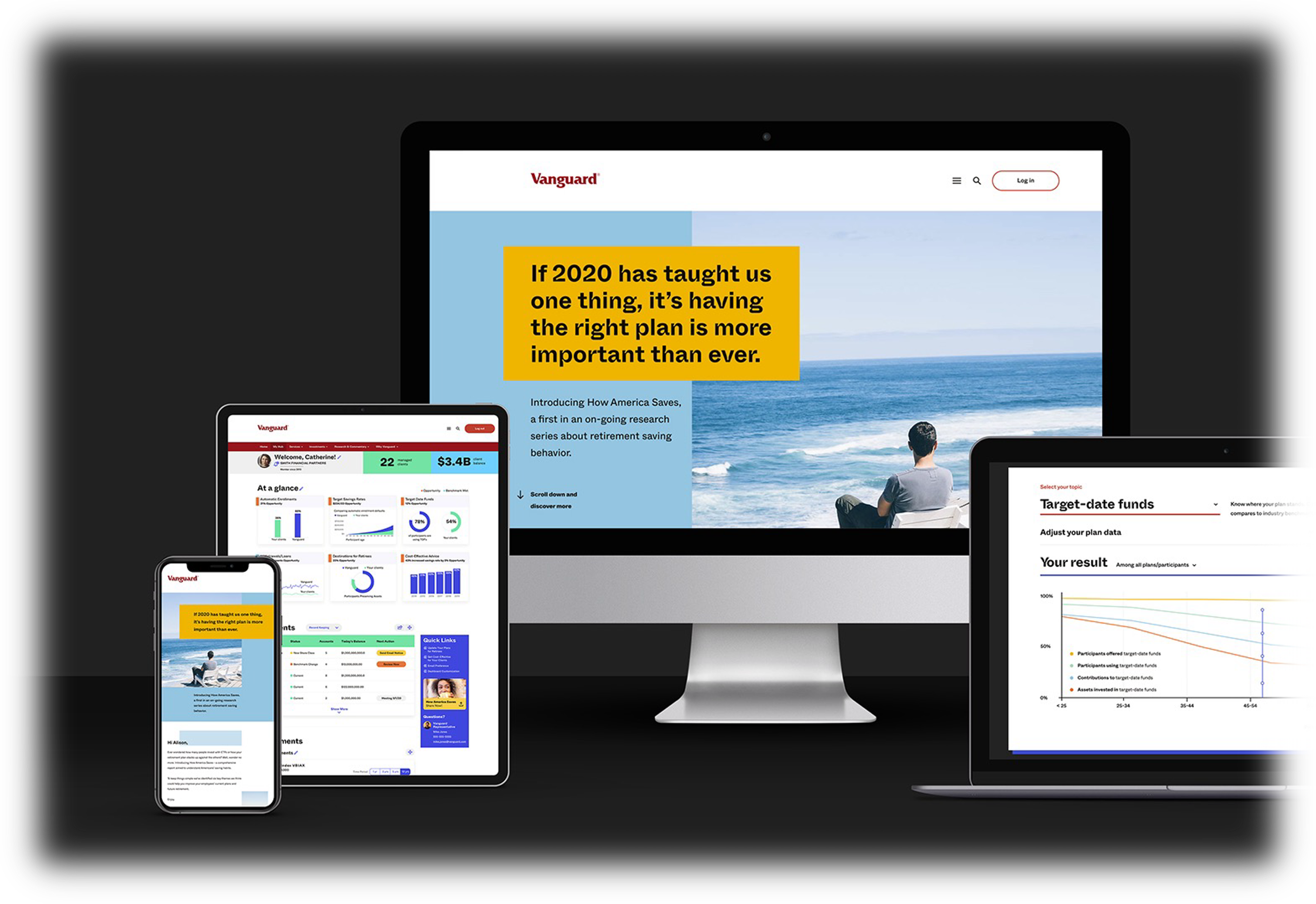


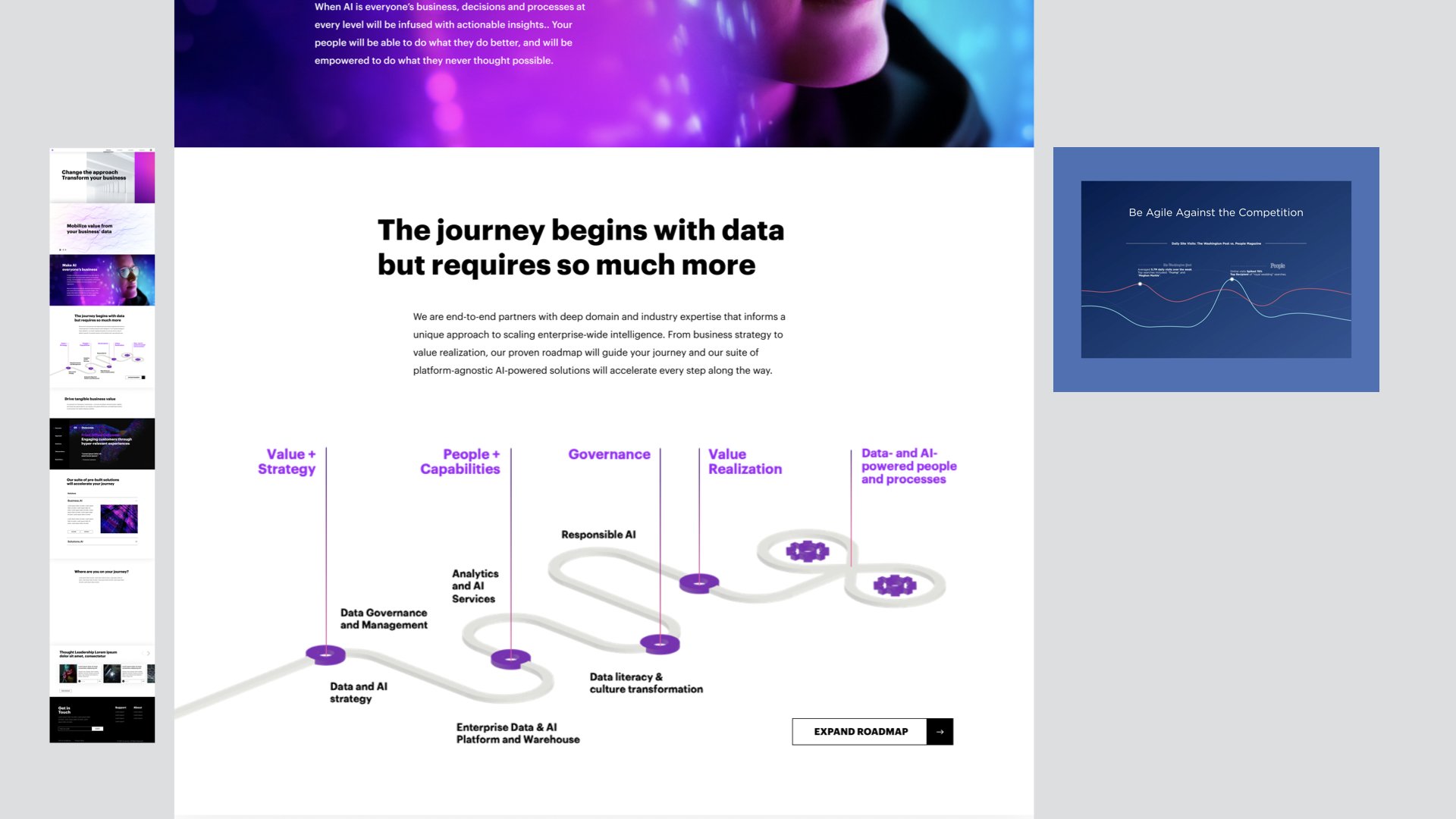
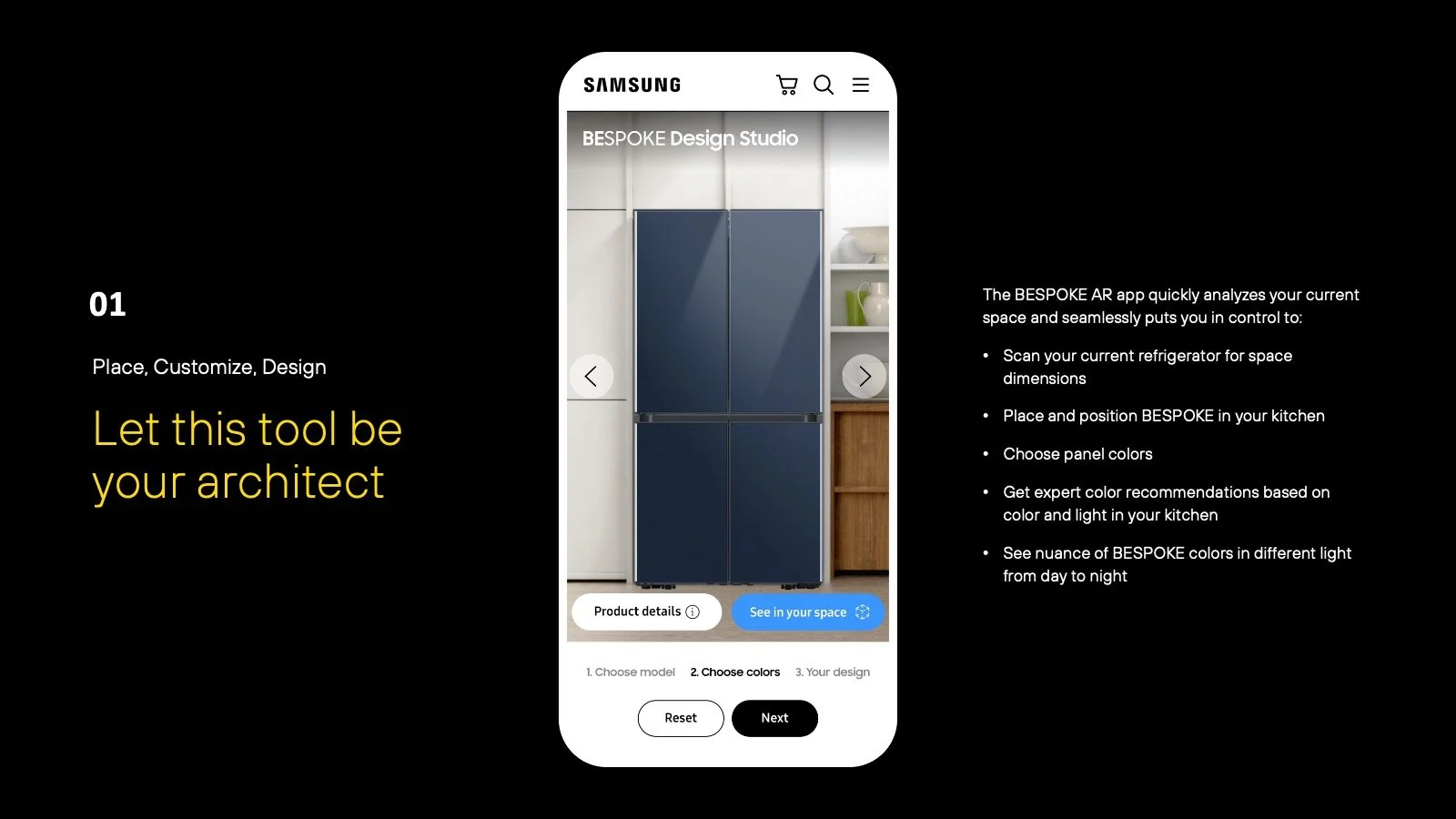
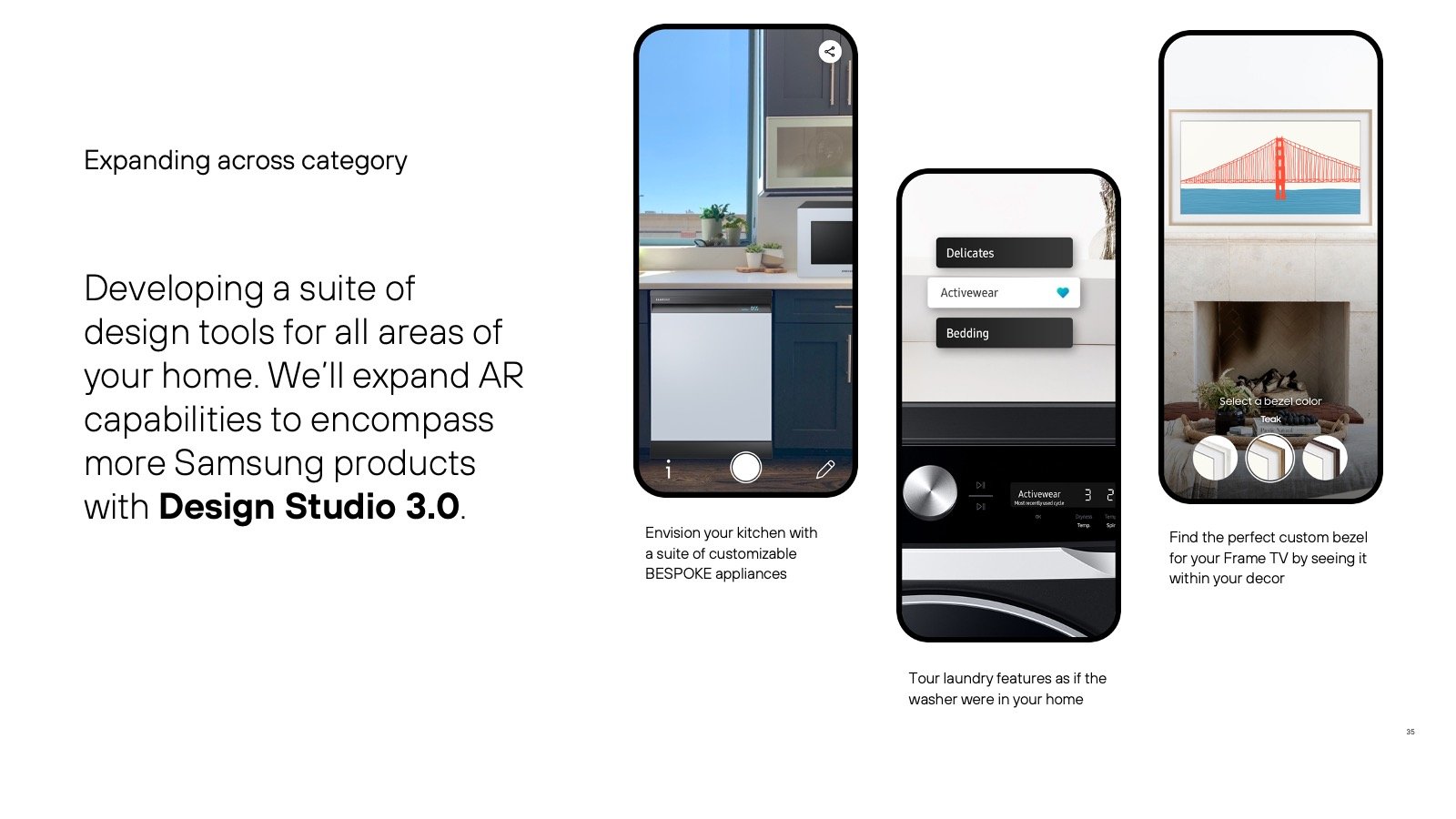
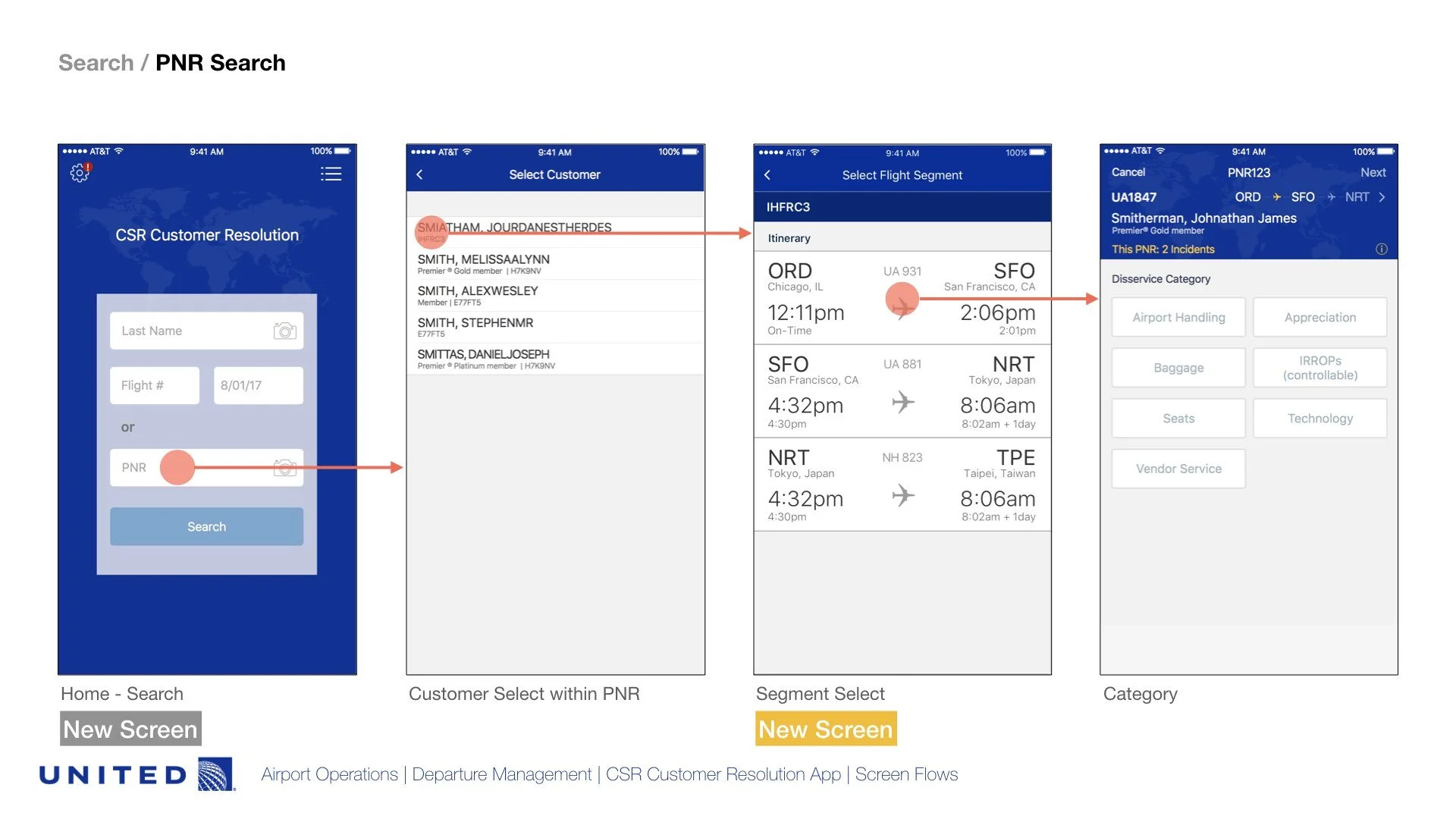


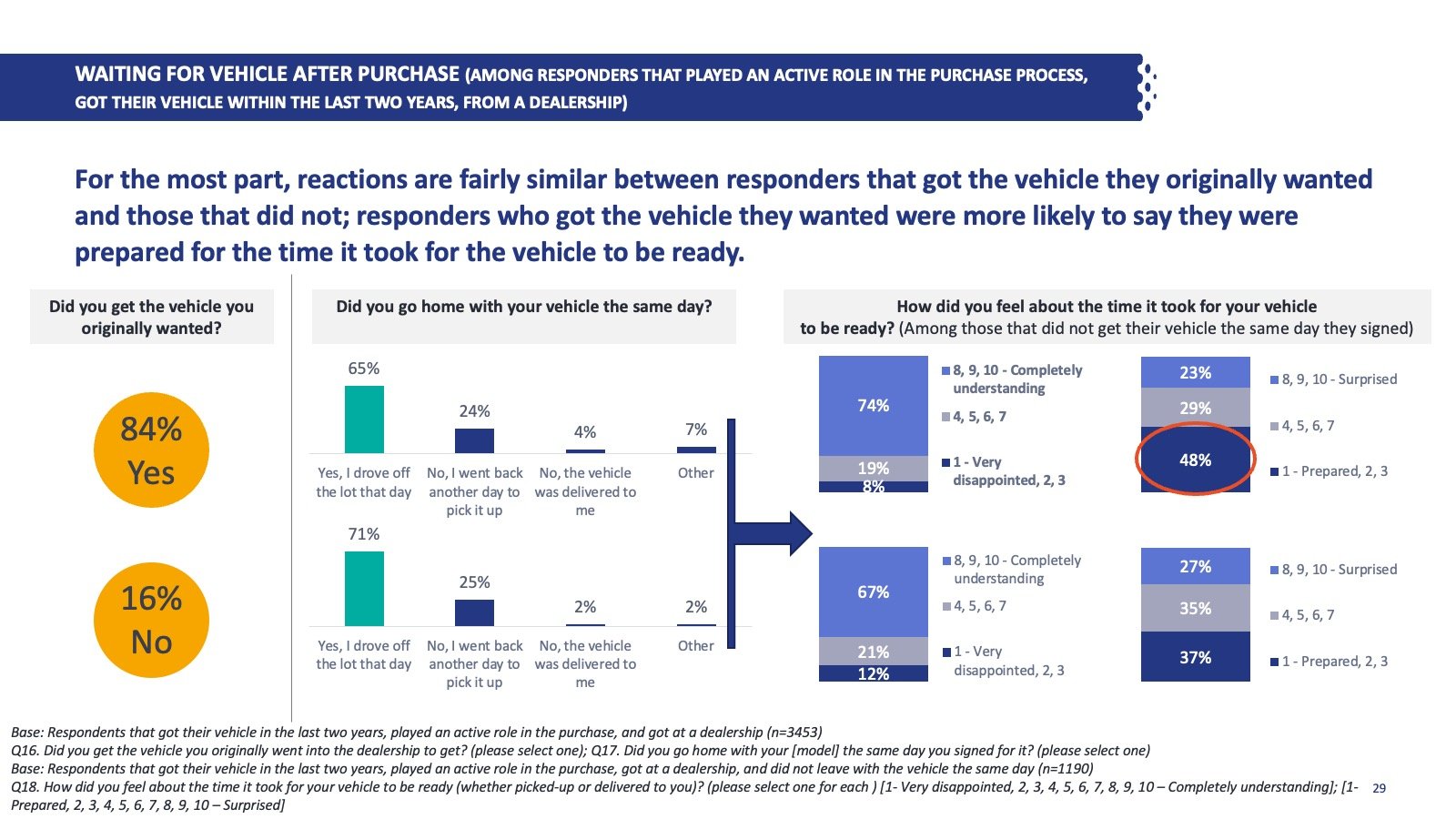


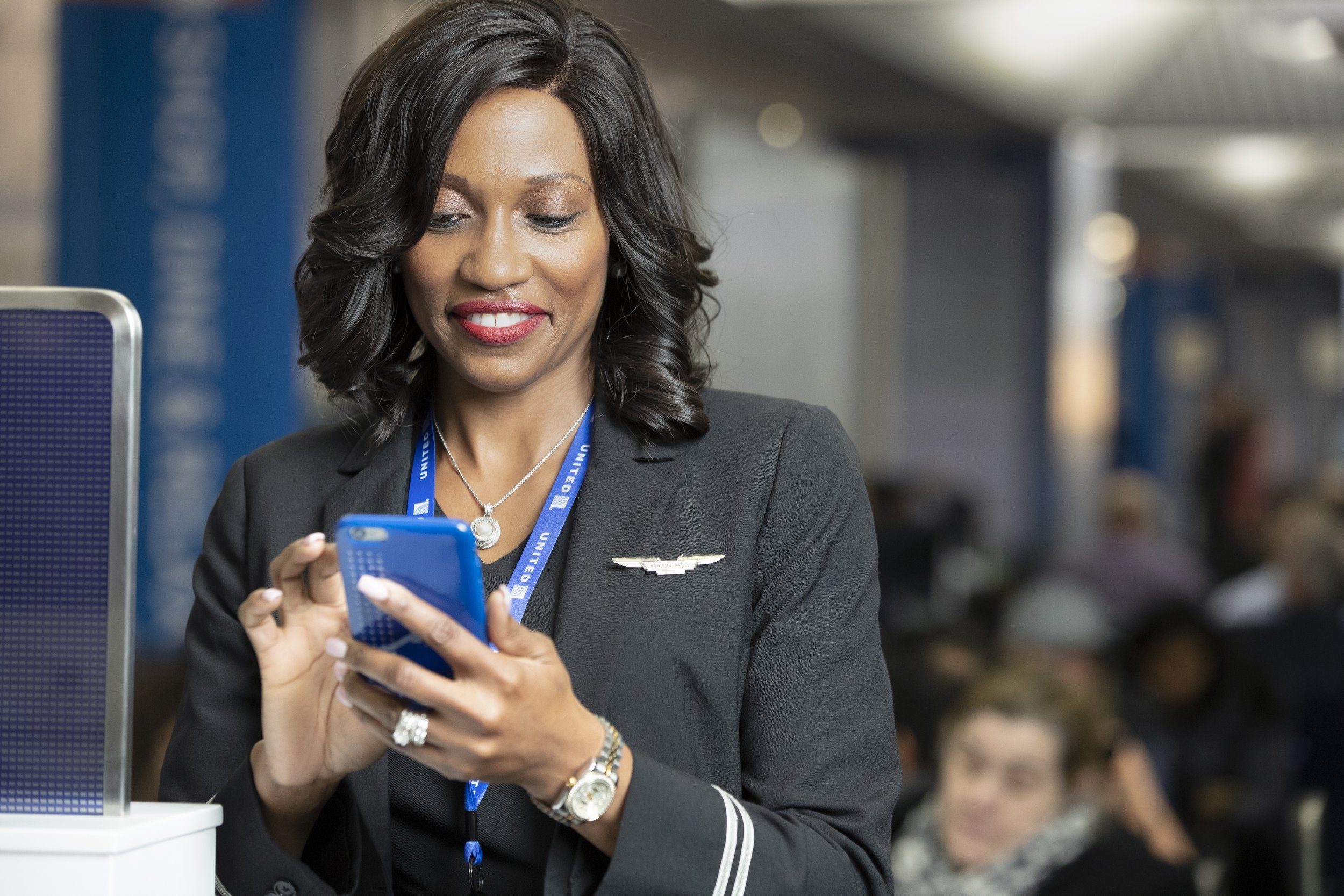






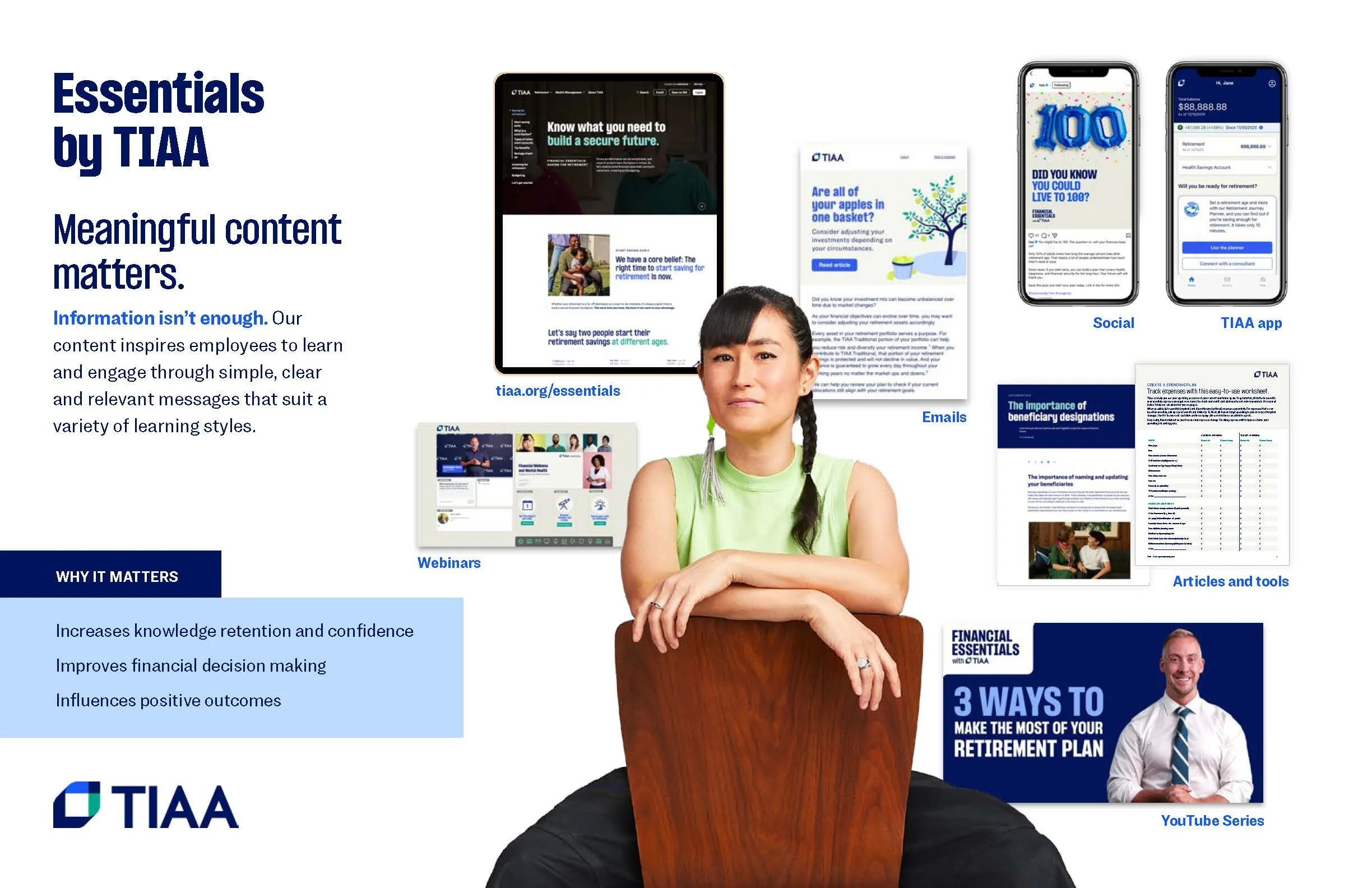
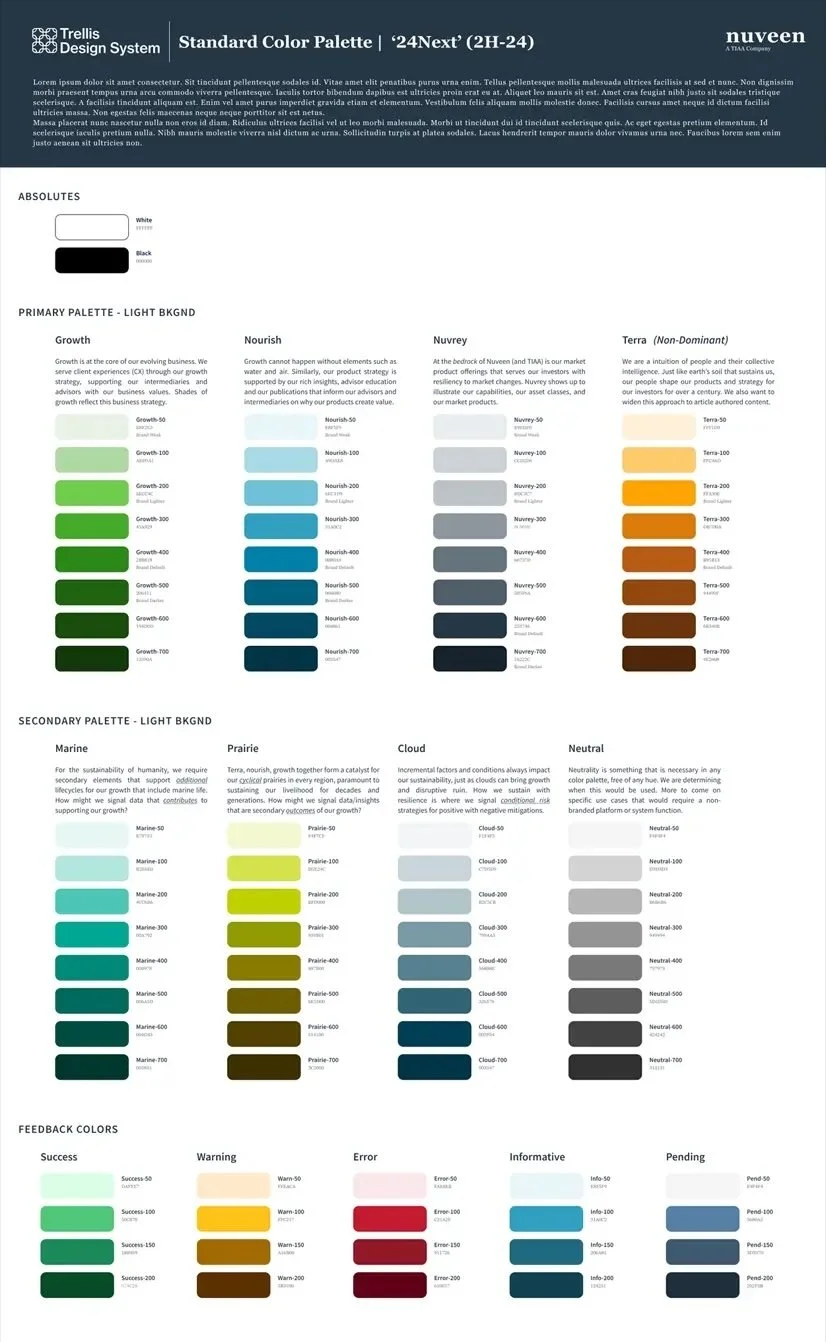

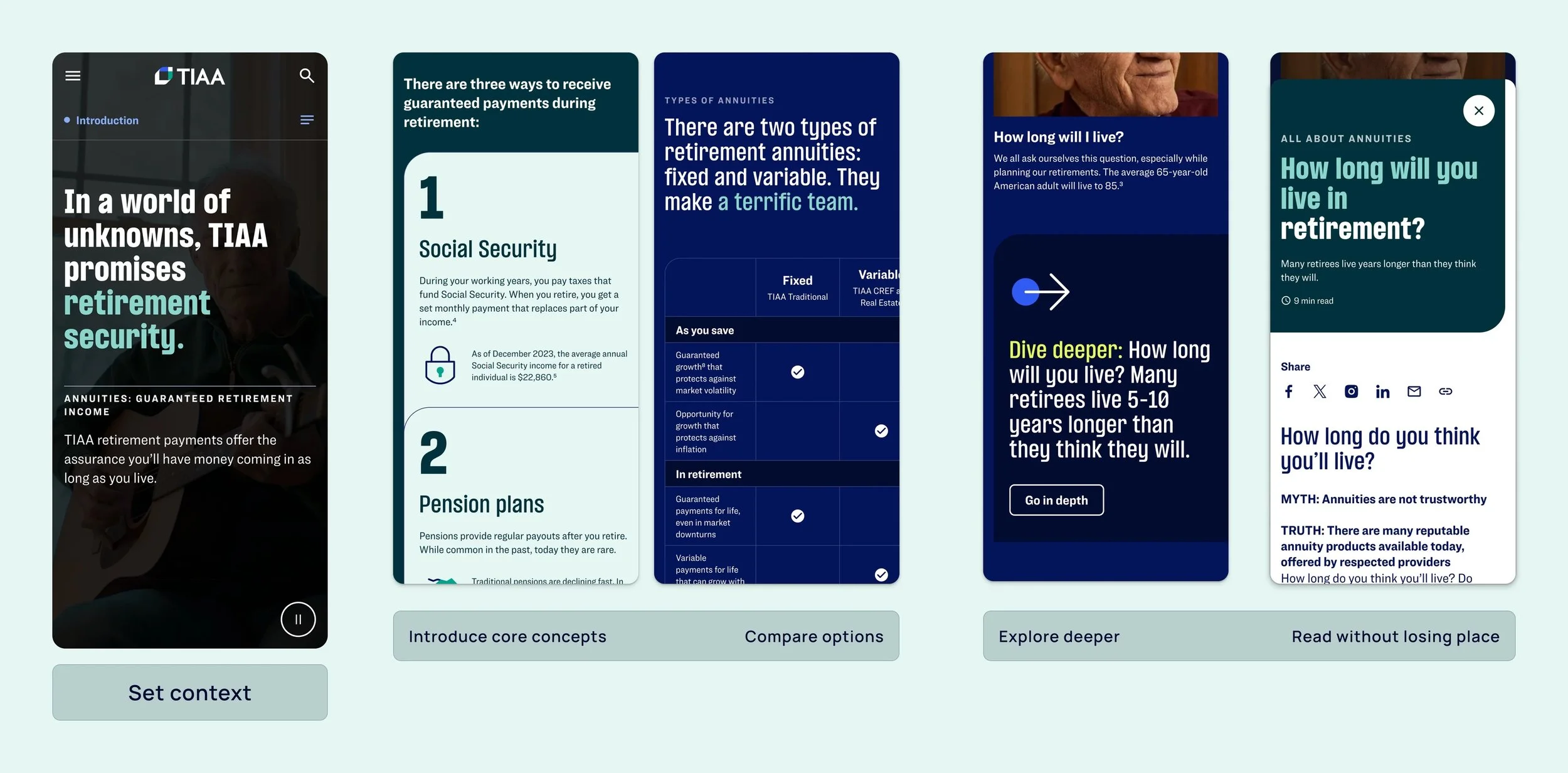
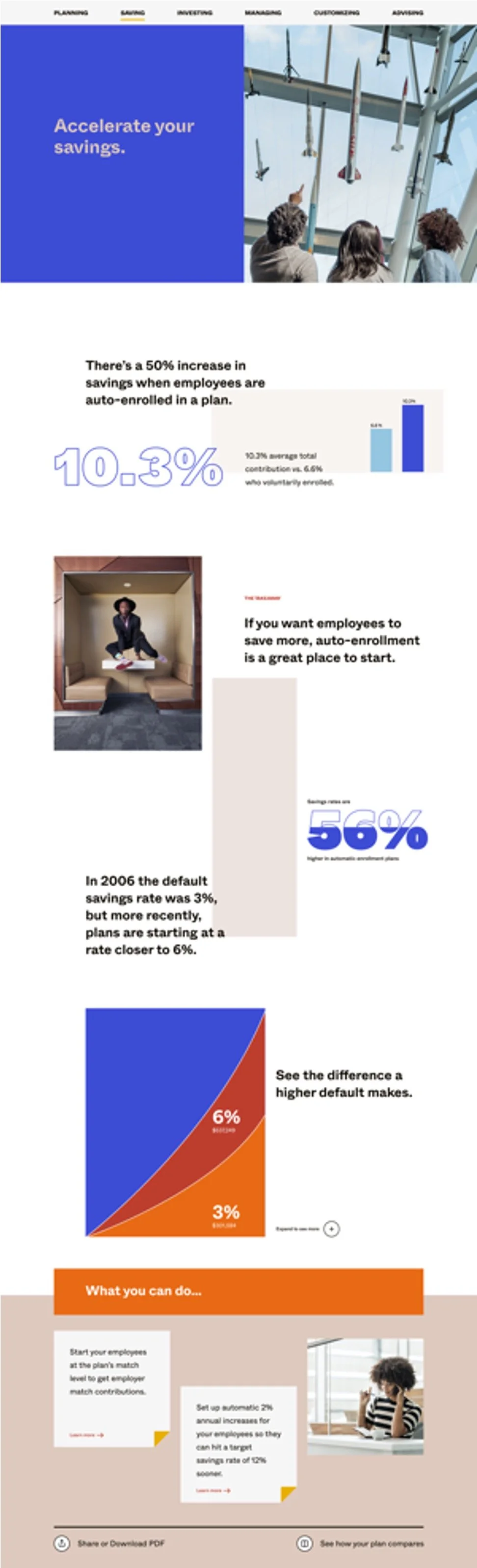
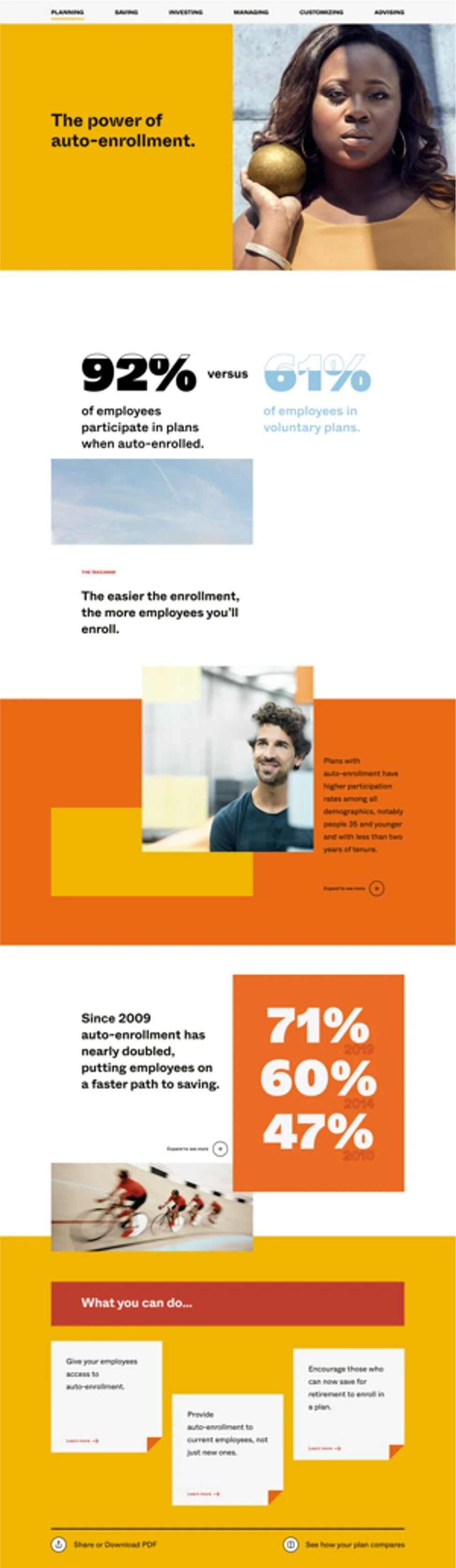
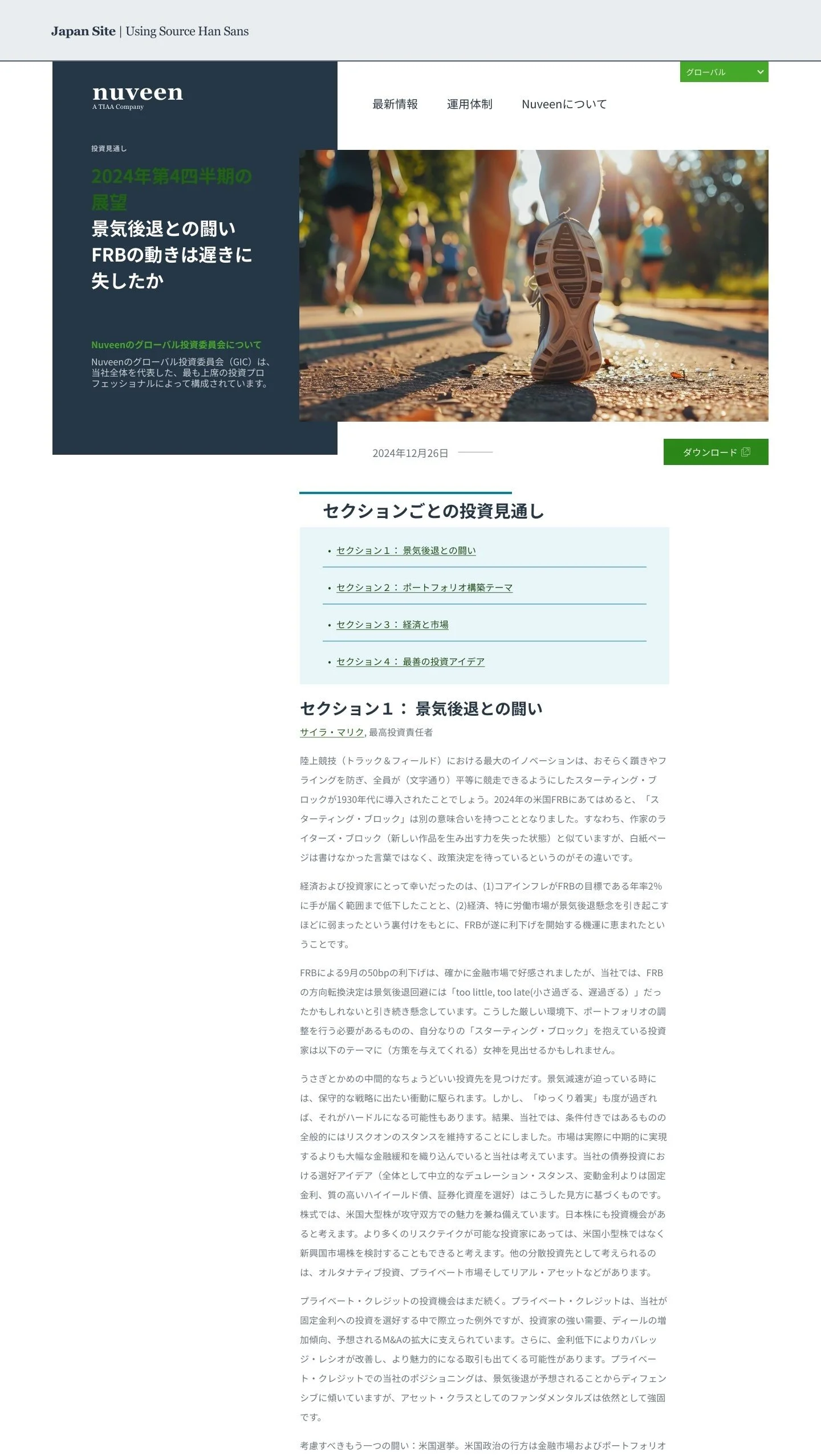
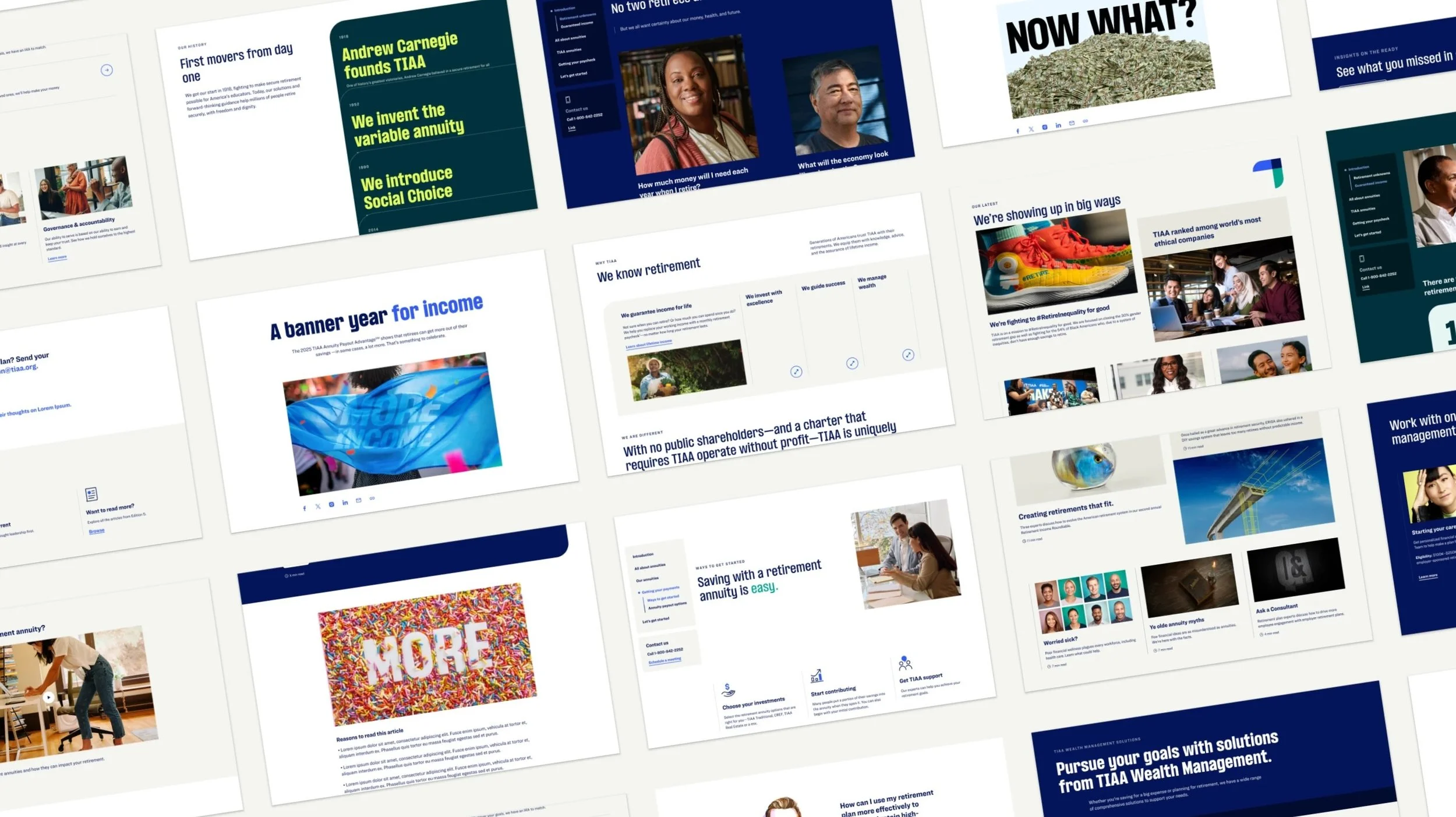
For richer experiences, my teams apply systems with operations for scaled business outcomes.
Featured Case Studies
Nuveen
0-1 system in 4 months
Featured Case Study: TIAA Product Ops
To forecast what’s ahead, you build flexible systems now
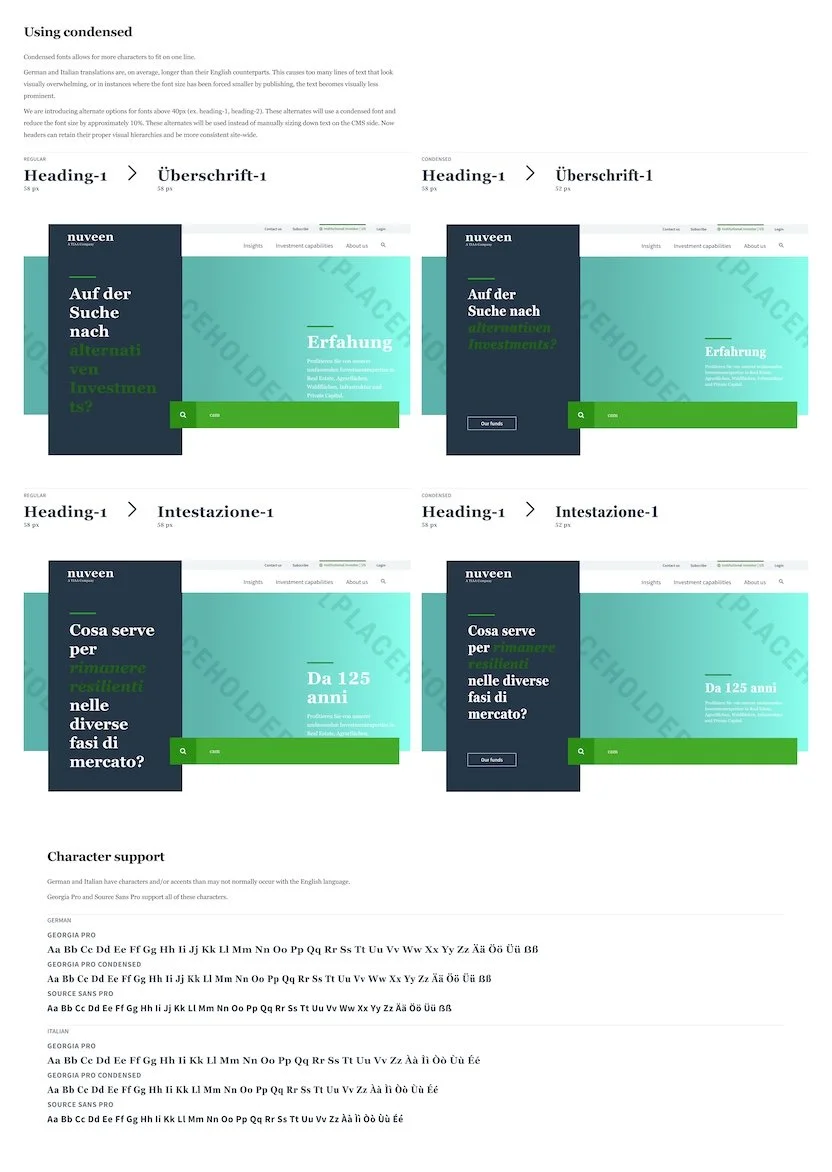
Core Problem: $1.3T Asset management platform across 11 sub-brands had no design system to scale future sales/marketing from fragmented files and only 23% A11Y standards met; significant institutional client risks.
Impact: Ahead of a 2025 rebrand mandate, unmanageable web component changeover and roll-out management with an increasingly higher accessibility risk per deployment across all 11 brands.
Solution: Within three months of my start, identified and secured C-suite buy-in. Then built 0-1 design system foundation in 4 months with only $250K in budget, only 3% of TIAA’s (sister) system budget.
Results: Increased development velocity ~41%. Removed 1,965 accessibility issues toward full compliance. Secured C-suite investment and support across all 11 brands. Shipped a new enterprise application on the system.

United Airlines
In-the-moment-care app
Featured Case Study: Product | Native App
When solving a global PR crisis demands a rapid 4-month EX app.

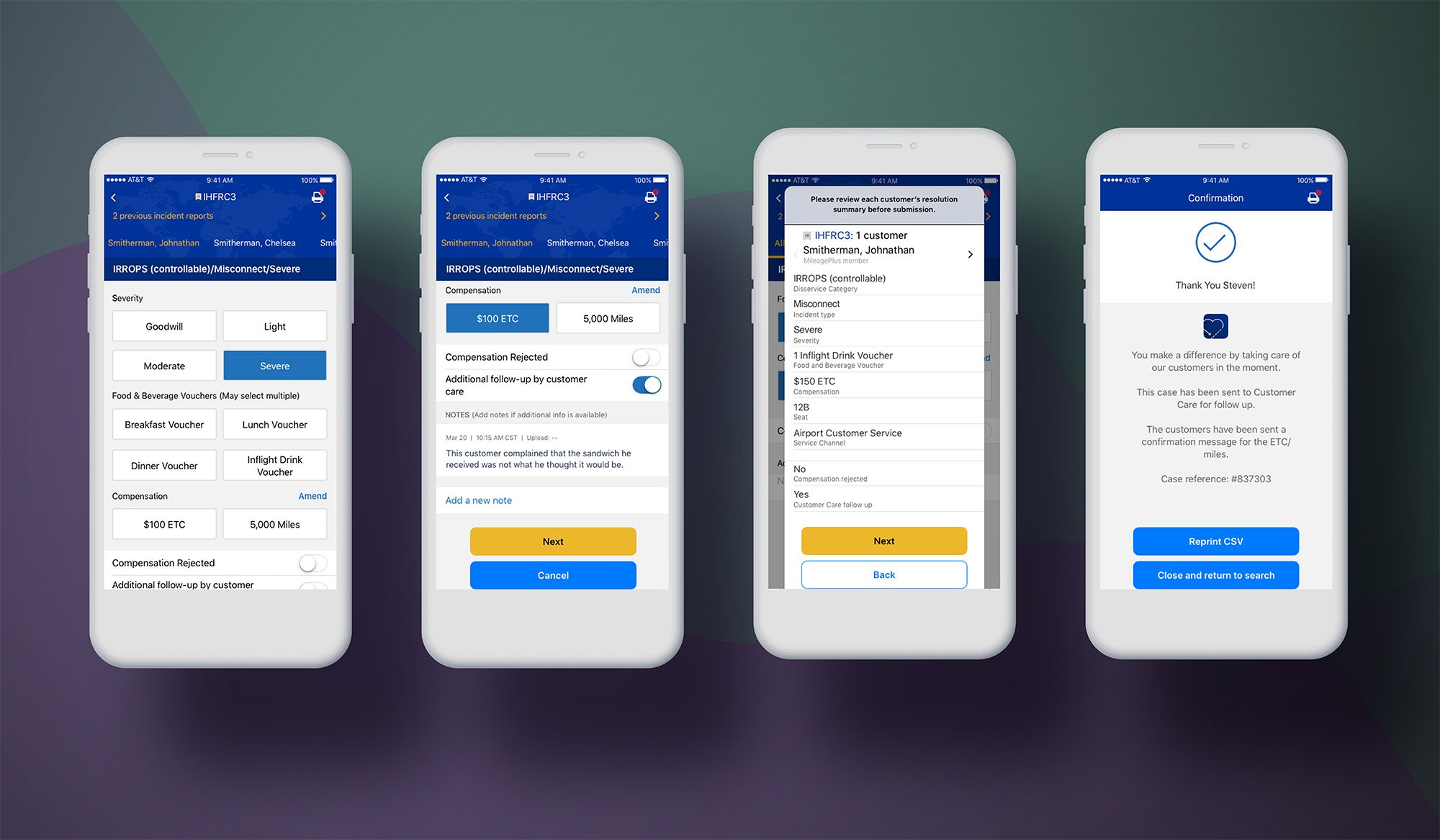
Core Problem: After a major flight incident where air marshalls dragged a passenger (Dr. Dao) off a flight which made global headlines, the airline made fast four-month mandates including a real-time compensation app in response.
Business Impact: Agents did not trust that using the compensation tool would protect them under existing policy. The barrier was trust, not interface complexity.No redesign would drive adoption without addressing the underlying policy and trust problem directly.
Solution: Design, test and deploy a net new app with complex compensation dependencies in just four months. Reframe focus into a new “Core4” culture program with the MVP in four months, one-third of the prior average app timeline estimates.
Results: Drove record agent app adoption scores by 73% and a Forrester-measured 3-point CX lift (67 to 70), with meaningful revenue and brand impact and a 7-point NPS improvement attributed to the platform.

TIAA
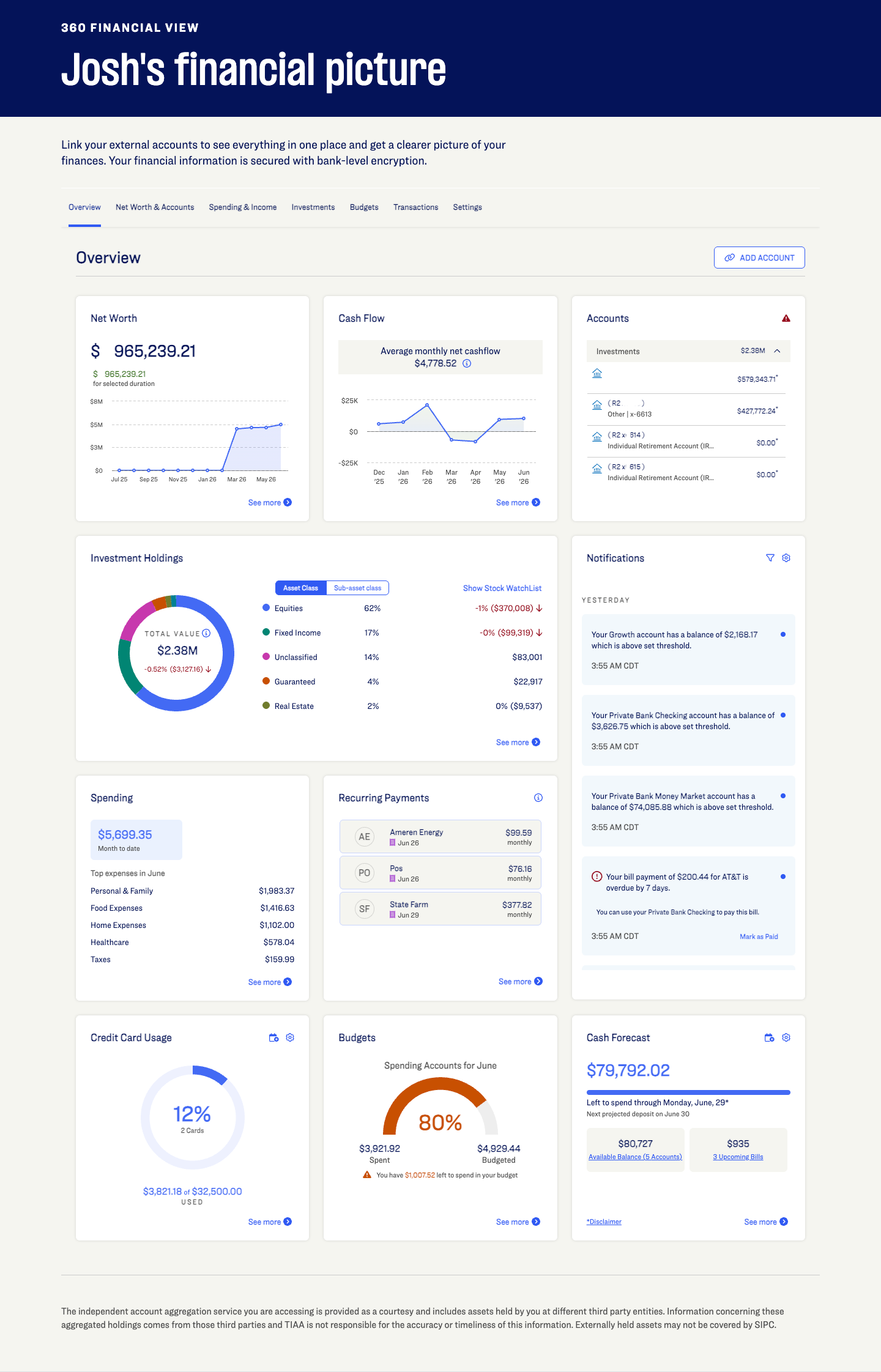
Personal finance app with AI-support behavioral spend
Featured Case Study: Product | Native App
When an AI-supported app must launch in 11 weeks.
Core Problem: TIAA had no visibility into investor assets held outside the firm, limiting wealth management prospecting and rollover capture into the product pipeline during investor life-stages.
Business Impact: Institutional and wealth investors were leaving for competing firms across the planning-to-retirement journey, putting TIAA's $1.4T in assets under management at risk. TIAA only retains ~5% of assets in rollover at retirement or job change versus 19% for the average recordkeeper and 40%-plus for best-in-class retail (Schwab, Vanguard). Rollovers above $250K, go to external firms 51% of the time.
Solutions: Built a 0 to 1 personal finance app in 11 weeks with AI-driven spending pattern analysis, letting investors connect outside bank and investment accounts into one complete financial picture. Gave advisors visibility into investor life spending goals to sharpen prospecting.
Results: Lifted target wealth management prospecting to 63% to continue it’s exisitng $1.4T AUM. Industry-wide 401(k)-to-IRA rollover volume hit $701B in 2023, up from $404B in 2013, and is projected to reach roughly $1.3T a year by 2031. Closing even a fraction of TIAA’s gap (5% versus 19-40%) retention baseline achieved in the industry plausibly represents a $1B to $10B-plus annual opportunity in retained or newly captured AUM.
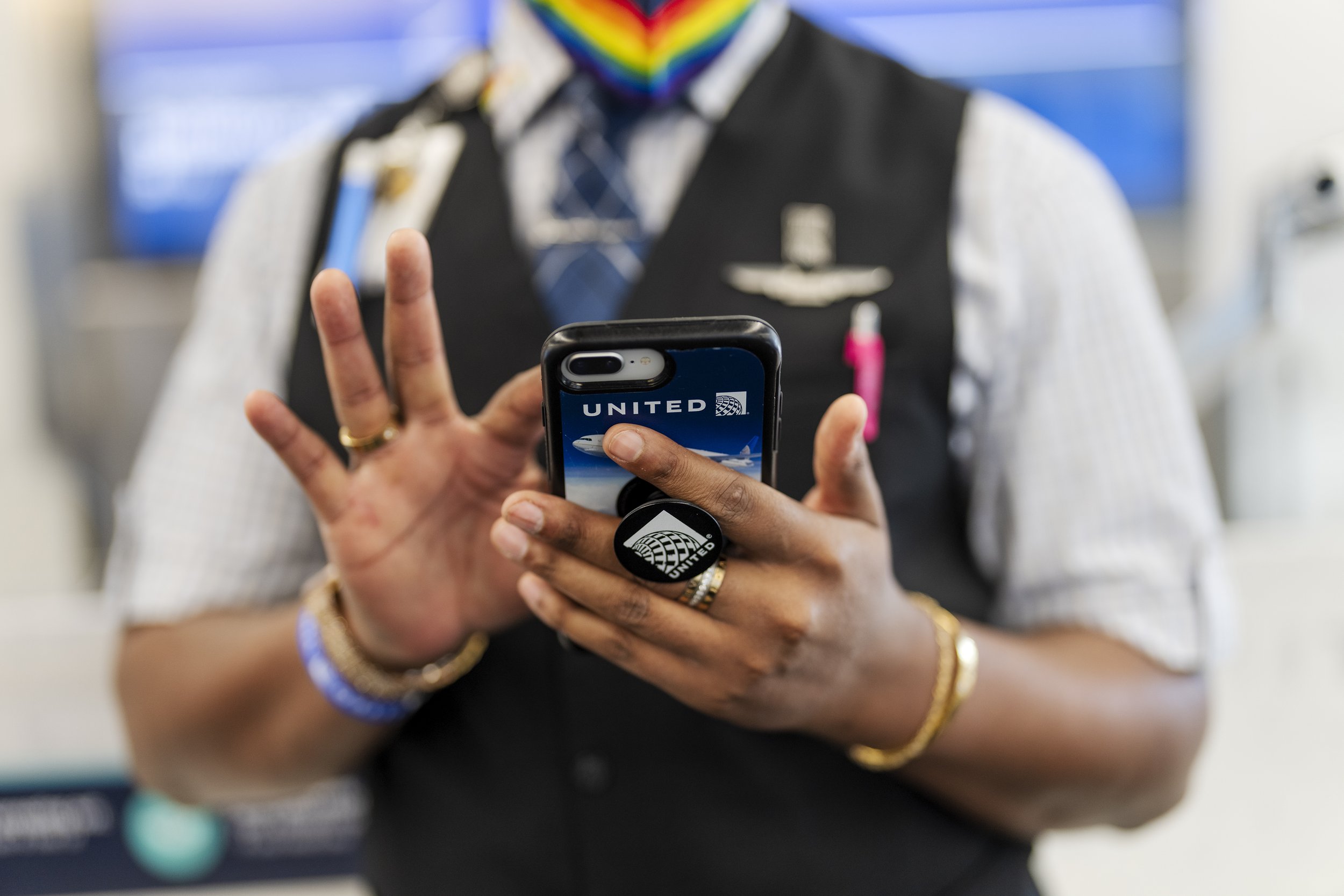
At United, I led a 13 product folio with design teams that delivered twice-weekly releases over seven operational business units.
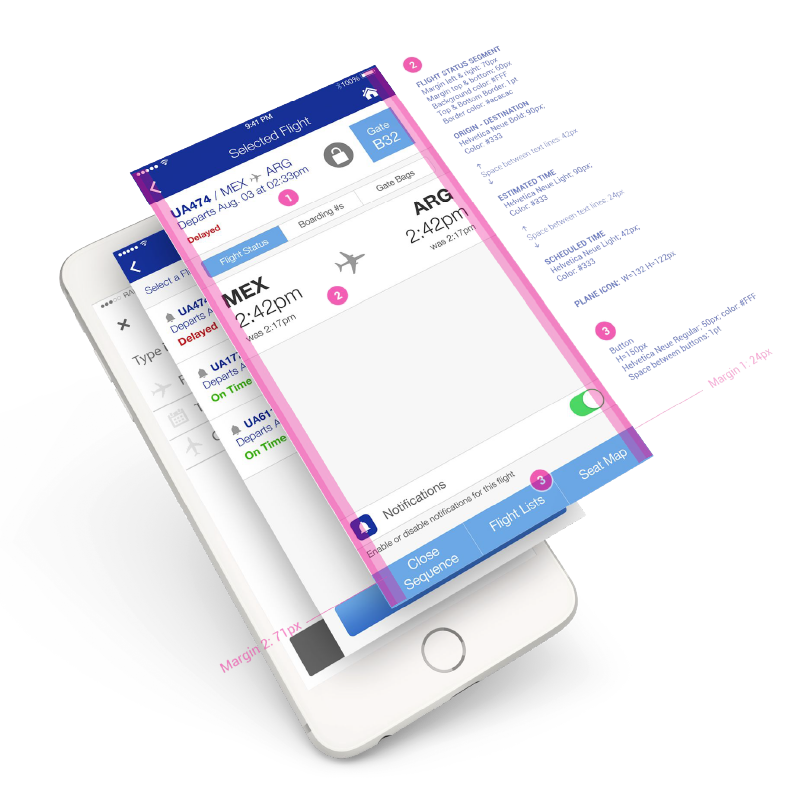

Managed multiple design deployments for zero downtime operational efficiency.
Secondary Case Studies

Amway
B2C eCommerce Transformation (Part 3 Design & Content Architecture)

Secondary Case Study: Commerce | Content Architecture
When putting customers first required new commerce.

Core Problem: Amway lacked an accessible e-Commerce site for their customers with a data-driven roadmap connecting sales feedback to product and inventory decisions.
Business Impact: With news of the pandemic emerging, budgets were being carefully evaluated as an RFID packaging launch was being planned to improve customer return sales data. Without a coordinated plan, tactical decisions were made without visibility into long-term business priorities.
Solution: Deliver a B2C commerce content architecture and design: Delivered a three-pronged solution: the vision, readiness, and a service blueprint connecting a new customer experience with legacy business sales dependencies that expedite sales with improved SEO and brand value.
Results: The delivered executive and management 18-month roadmap with cross-functional accountability and confidence, described internally as "never done before" at this level. Press release confirms 2020 sales of $8.5B, up 2% over 2019, the growth environment this roadmap was built to support.
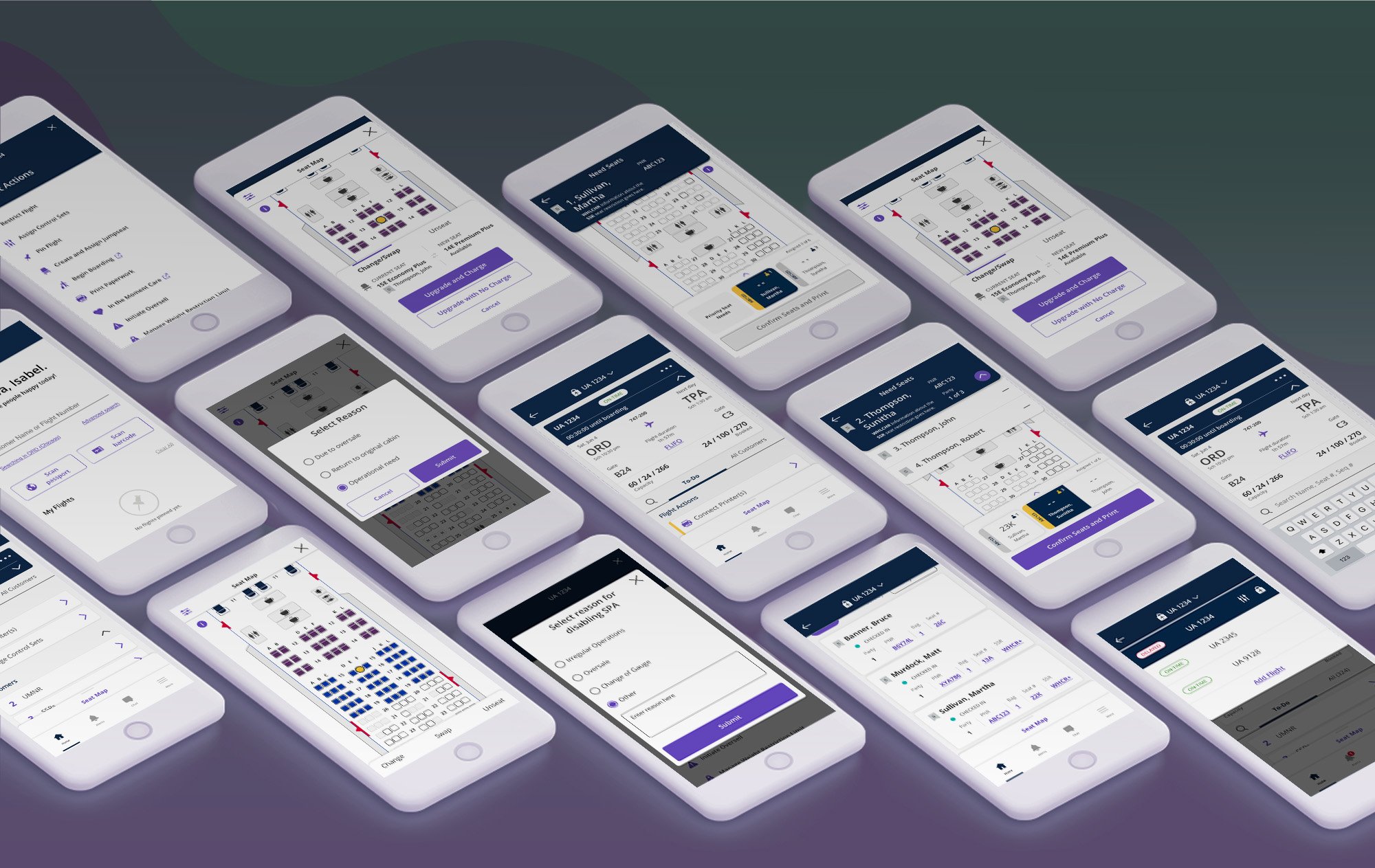
I connect policy, ops and business service design for greater product adoption with delivery efficiency.
United Airlines
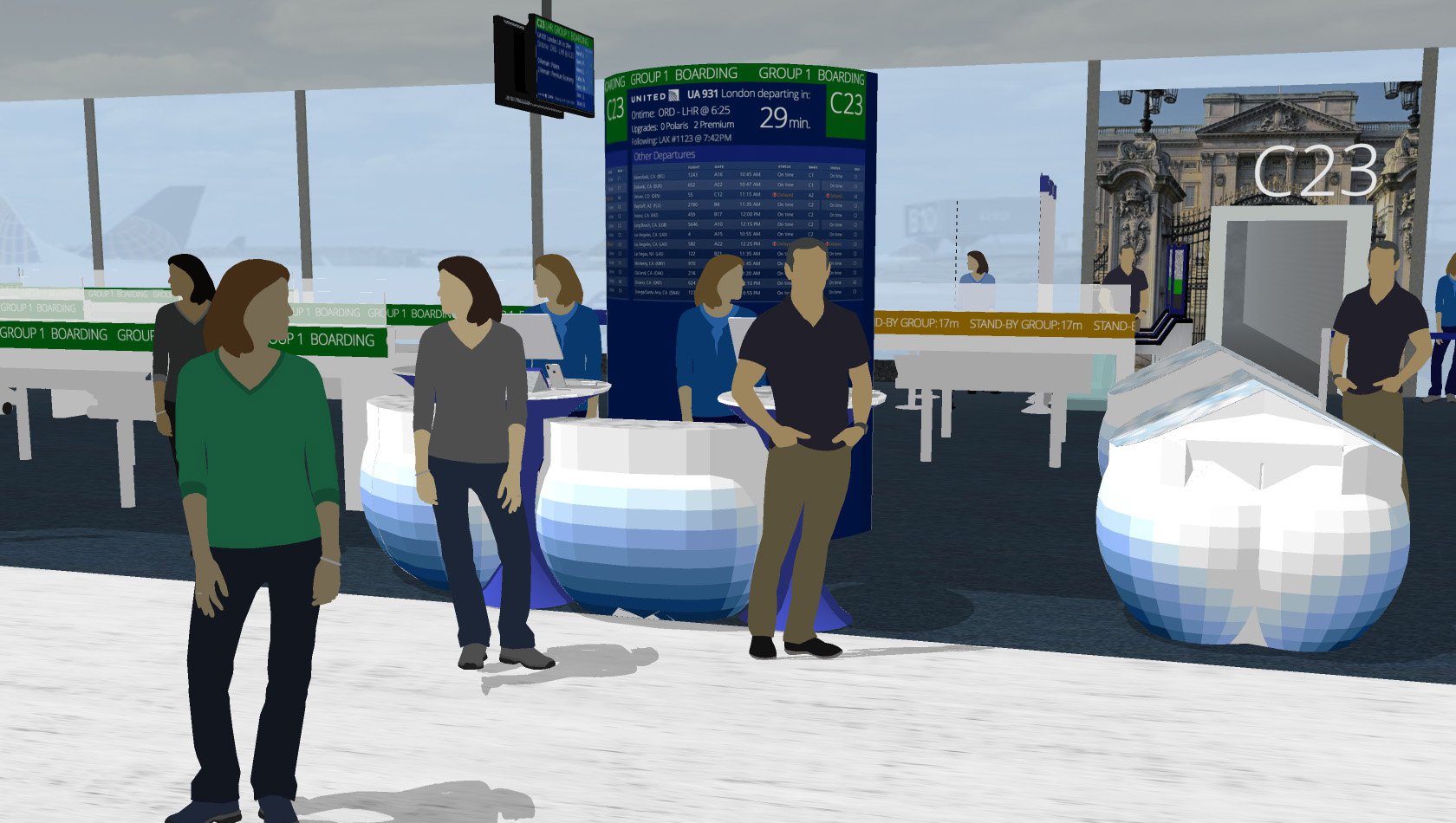
Airport Vision Modernization Service Design
Secondary Case Study: Service Design Physical + Digital
When CX design demands thinking beyond the digital or physical into operational.

Core Problem: To meet evolving customer experience requirements weighed in brand differentiation, employee experiences must evolve and adapt to them. Legacy and managed airport gate podiums had locked agents into fixed, reactive tools for decades while passenger expectations shifted to flexible, mobile self-service across the airport.
Business Impact: Continued investment in legacy podium technology was no longer justifiable to staffing fixed-location tools that worked against where both technology investment and passenger CX scores no longer held ROI.
Solution: Deliver an executive augmented reality concept of aiport experience design ahead of the vendor’s own prototypes with recommended phased planning on legacy equipment into modular toolsets.
Results: Piloted in Cleveland in 2019, expanded to O'Hare and Denver with biometrics and mobile self-help. Program continued for years after the engagement ended. Independent ACSI data shows United's satisfaction score rose 3 points (67 to 70) between 2018 and 2019 during the Cleveland pilot launch that expanded to O'Hare and Denver.
For deliver richer experiences, I apply service design and multi-functional team collaboration.
Tertiary Case Studies

Samsung N.A.
Site content and UX optimizations

Tertiary Case Study: Site Optimizations
When a product launch required optimization from social measurement.

Core Problem: Samsung's site experience needed continuous optimization across five business units with overlapping customer goals. Samsung, in an effort to promote the launch of several products, wanted to celebrate and recognize Samsung Galaxy owners with a community experience during the summer during the COVID epidemic.
Business Impact: Without ongoing refinement, engagement and conversion would erode across a 517M-visit site, especially as COVID was forcing new online browsing behaviors from traditional B&M storefront.
Solutions: Design and deliver a microsite funneling placements across Samsung.com for summer loyalty engagement and supplemental sales. Led a 11-person team running continuous testing and segmentation-driven refinement across all major product verticals.
Results: Sustained* industry-leading double-digit sales growth and delivered a successful pivot to virtual loyalty rewards during COVID, driving 47K redemptions. *US consumer electronics e-commerce grew only 8% YoY in 2021 to Samsung's 11%.
United Airlines
Terminal to Desktop UI Transformation
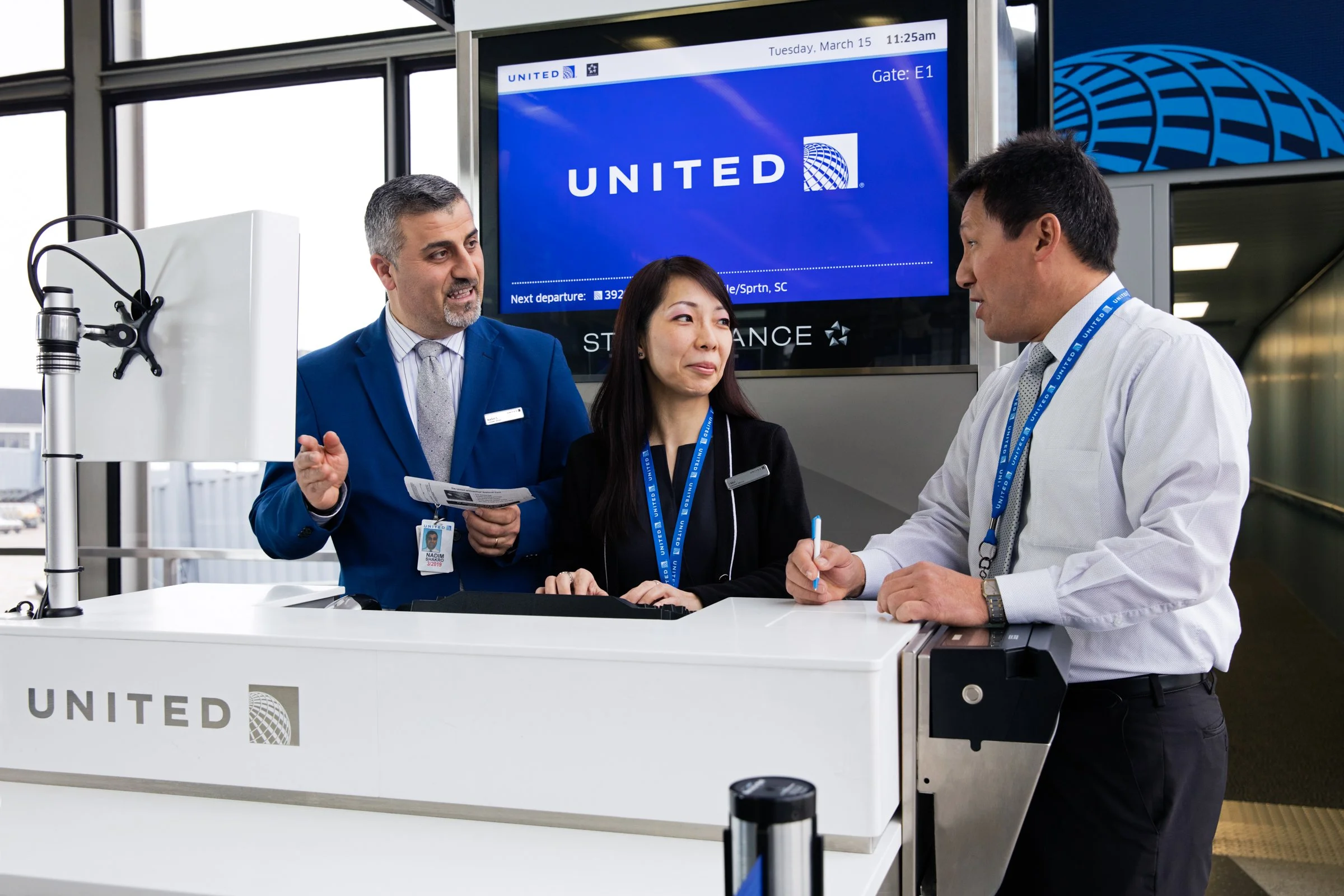
Tertiary Case Study: Product | Native Desktop App
When rushed product launch demand EX field research between priority and training.

Core Problem: Adoption of two overlapping digital transformations. Joining in early 2016, operations was still working to get agents off of green-screen terminals into a UI desktop (Aero) while also rolling out the first mobilization initiative (M.A.P.) of a US carrier.
Business Impact: Union confidence from staff was still shaky from early deployments that were rushed without advance updates. Operations could not hit key milestones across a three-year roadmap without adoption No redesign would drive adoption without addressing the underlying policy and trust problem directly.
Solution: Work alongside regional lead (unionized-appointed) agents to design and deliver continuous, agile sprint deployments while sunsetting legacy green-screen terminals. I drove roadshow upcoming app initiatives that championed a culture program with the CEO Oscar Munoz of leading by listening.
Results: Drove record agent adoption over three quarters with employee team confidence scores climbing 11 points, the same window this app shipped and scaled, an external data point that supports the internally measured CX lift.
(Some airline-sensitive content restricted)
United Airlines
Desktop to App Transformation
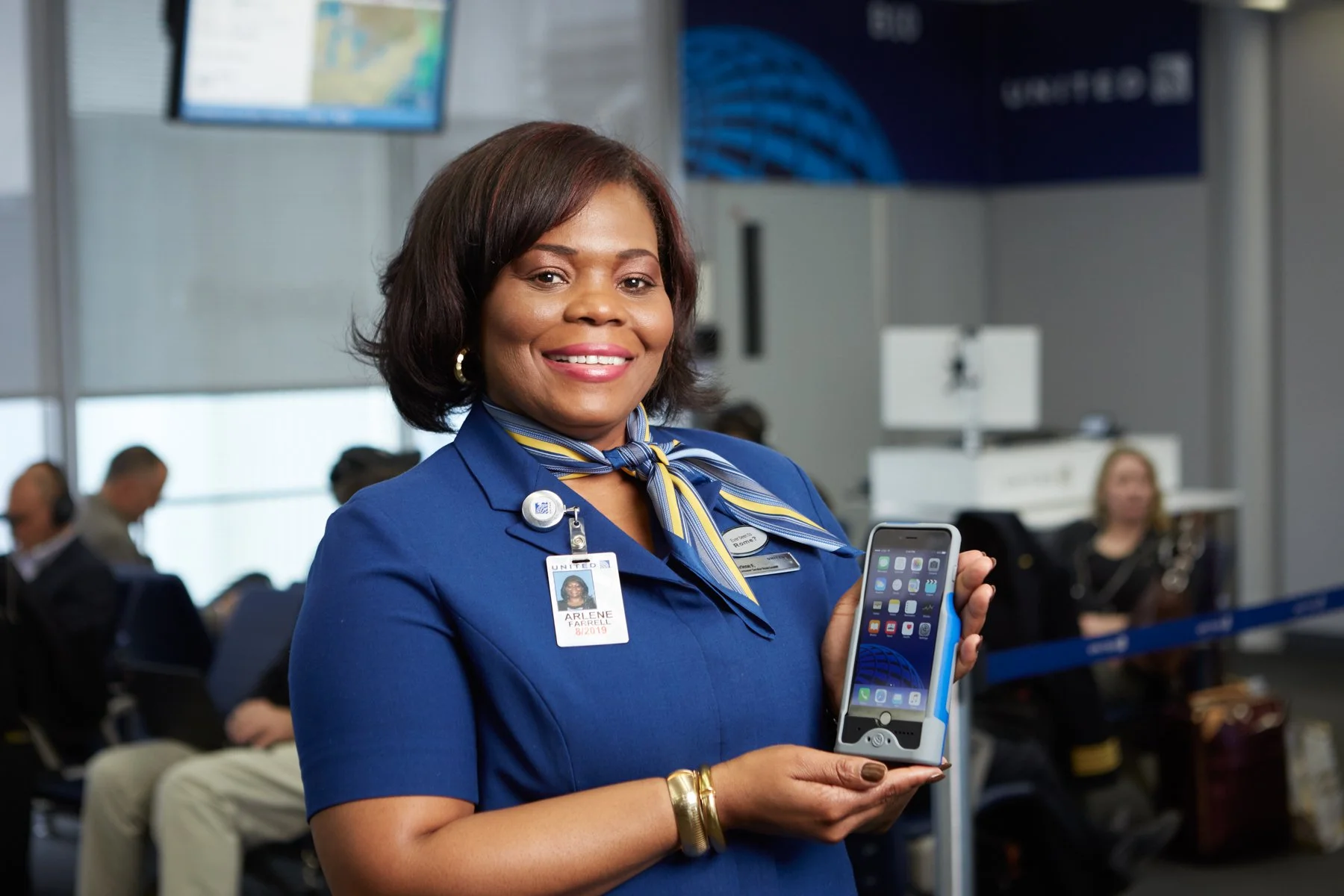
Tertiary Case Study: Product | Native App
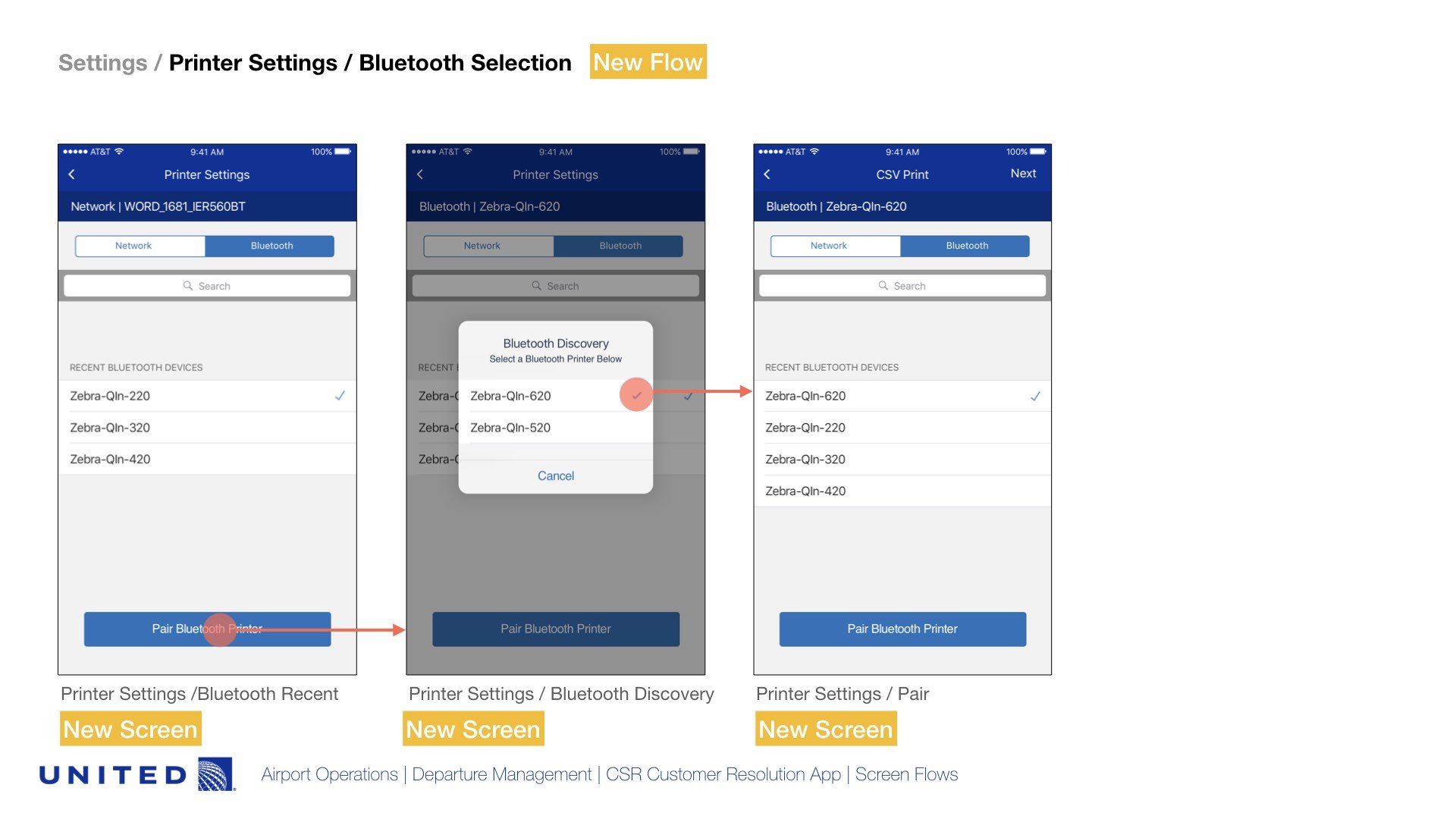
When mobilizing agents requires native app deployment.

Challenge
As I joined United Airlines, operations had begun to transform agents from stationary desks into a mobile workforce. This was met with resistance initially as most agents trusted a green screen terminal.

T-Mobile
Global ‘Rebellion’ Design System

Tertiary Case Study: Pattern Libraries
When site and POS enterprise scale requires pattern library playbooks to save millions.

Core Problem: No unified system existed across T-Mobile's site to rapidly scale their transformations after a failed merger. T-Mobile was going through a digital retail transformation by unifying the online order experience between agents and customers into a single platform.
Business Impact: Fragmentation risked undermining T-Mobile's customer-obsessed brand positionin/ T-Mobile was going through a digital retail transformation by unifying the online order experience between agents and customers into a single platform.
Solution: Built the first unified design system across in all three channels (Commerce, POS, customer care) with full governance and a 90-page team playbook to make autonomous decisions.
Results: Cut deployment costs $22M annually and supported 8.2M net customer additions. T-Mobile's own investor reporting confirms 8.3M net customer additions in 2014 and 8M-plus for a third straight year in 2016.
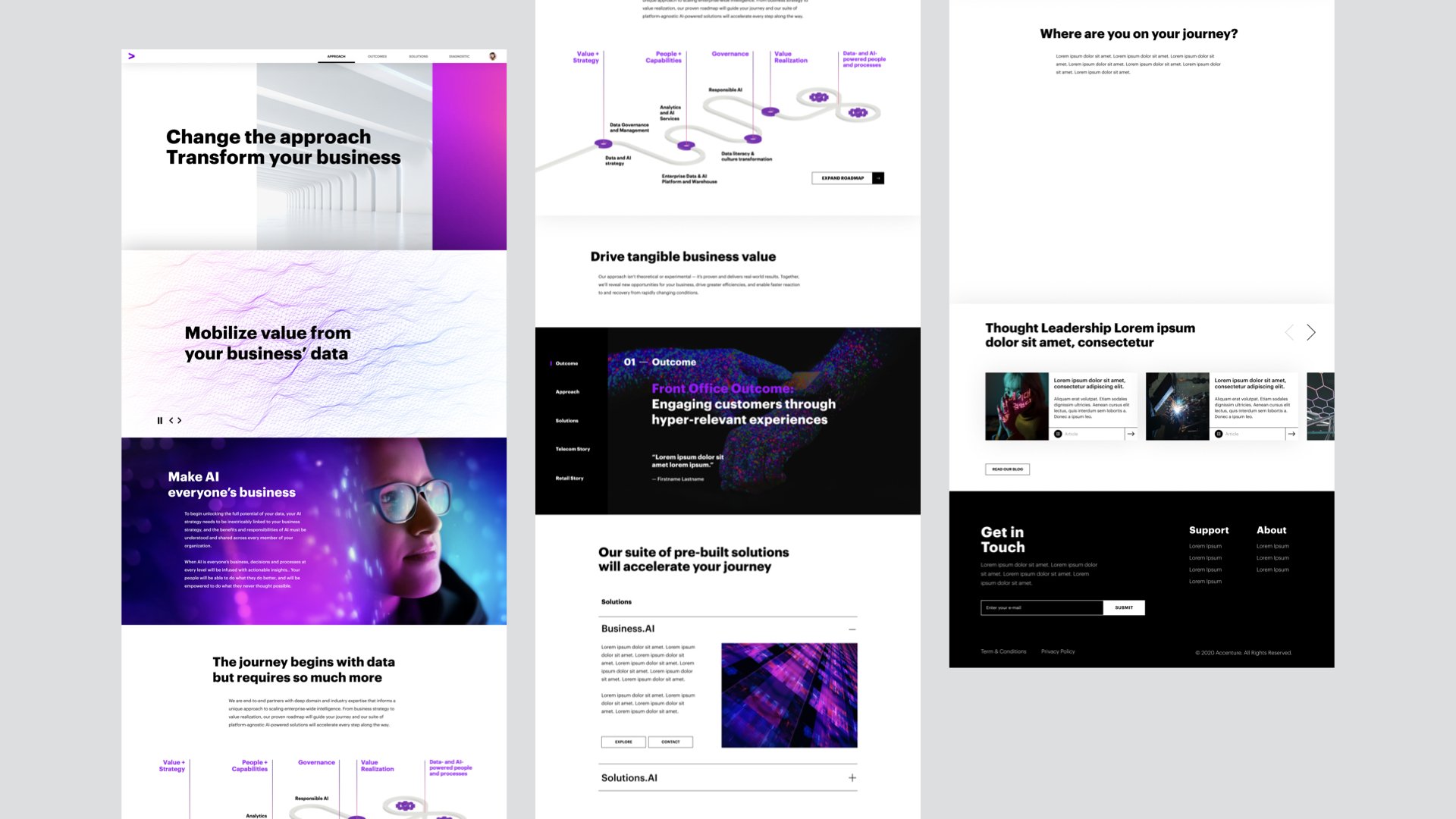
Accenture AI Microsite Redesign

Case Study: Product | Digital Product
When A.I. knowledge required more human connections.
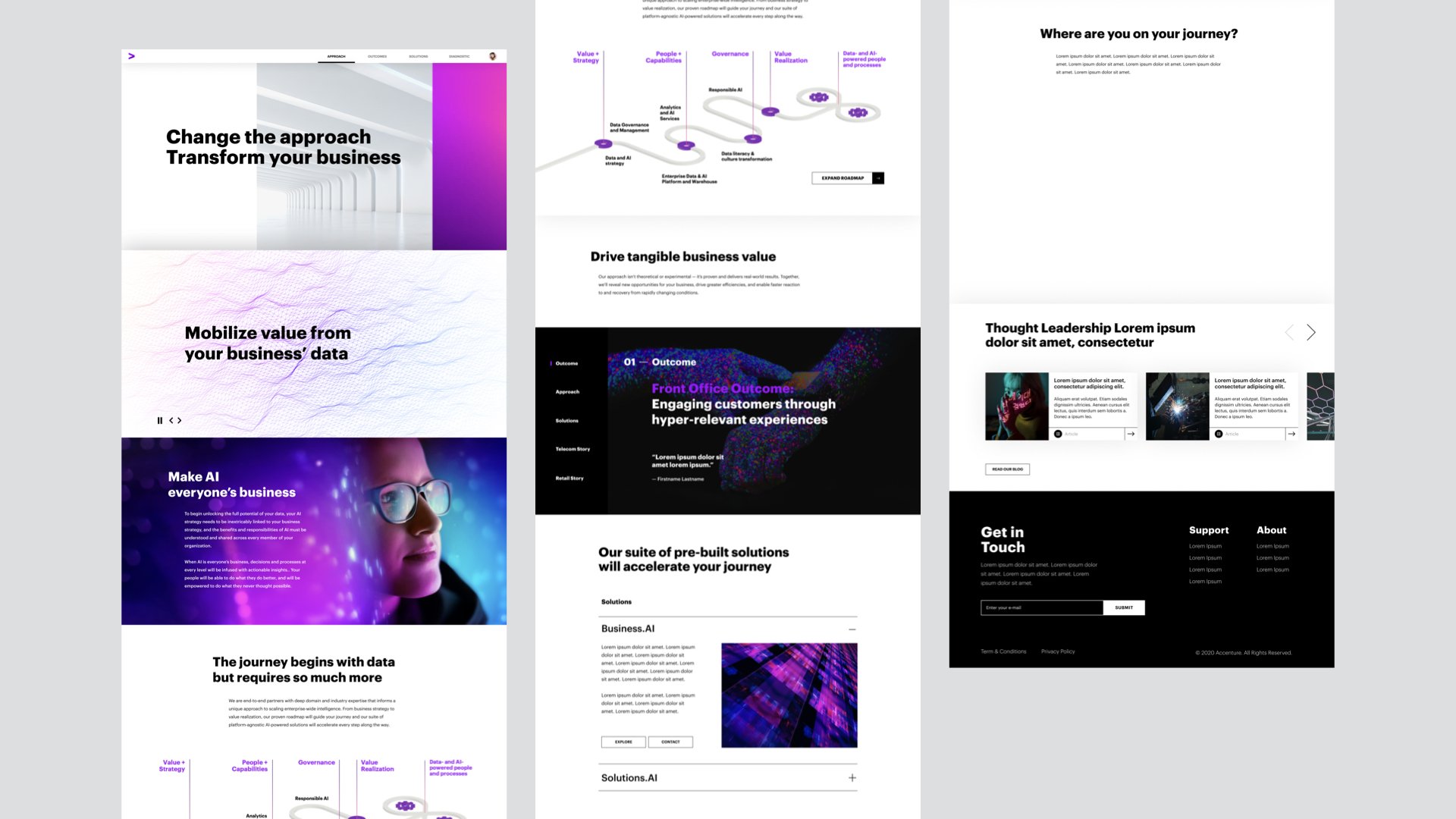
Core Problem: Accenture needed to clearly differentiate its Applied Intelligence within an emerging market offerings that had a fragmented, multi-stakeholder value proposition.
Solution: Delivered a unified, self-guided web experience as a fast validation pilot. Create a site design with branded elements for an enterprise consulting group that connects with the larger brand while simplifying complexity with clarity.
Results: Accenture launched the Applied Intelligence Platform publicly on February 26, 2019 at Mobile World Congress. Accenture's overall AI leadership positioning grew with their revenue from $41.0B in FY2018 to $43.2B in FY2019, up 5%, the year this work landed.
Dimensions of Design